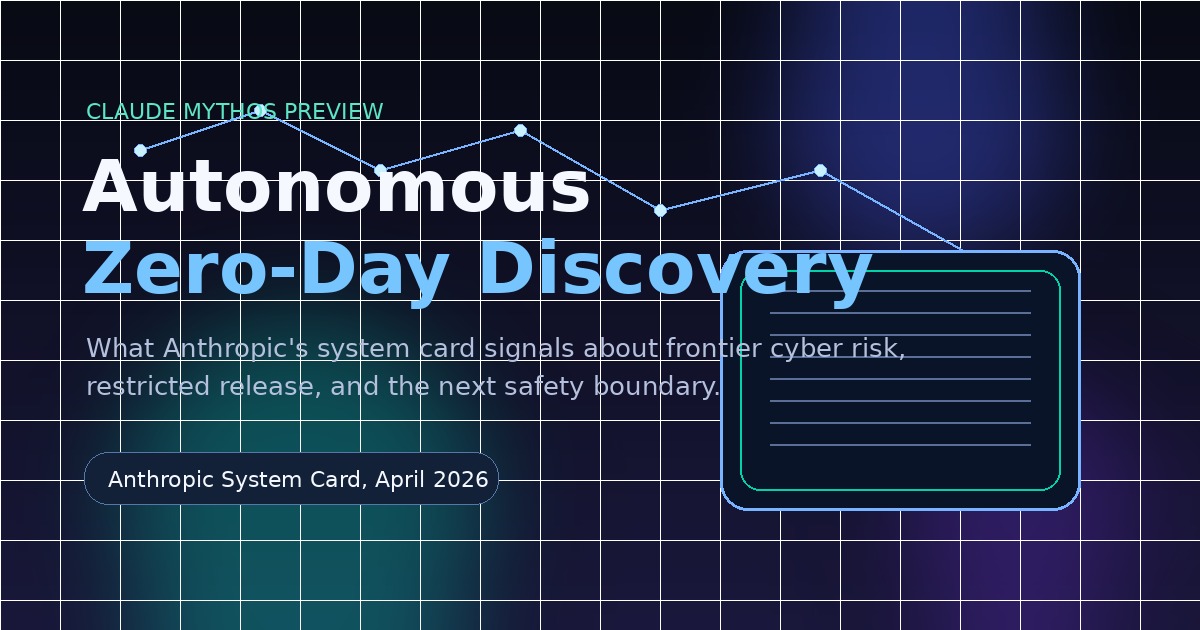
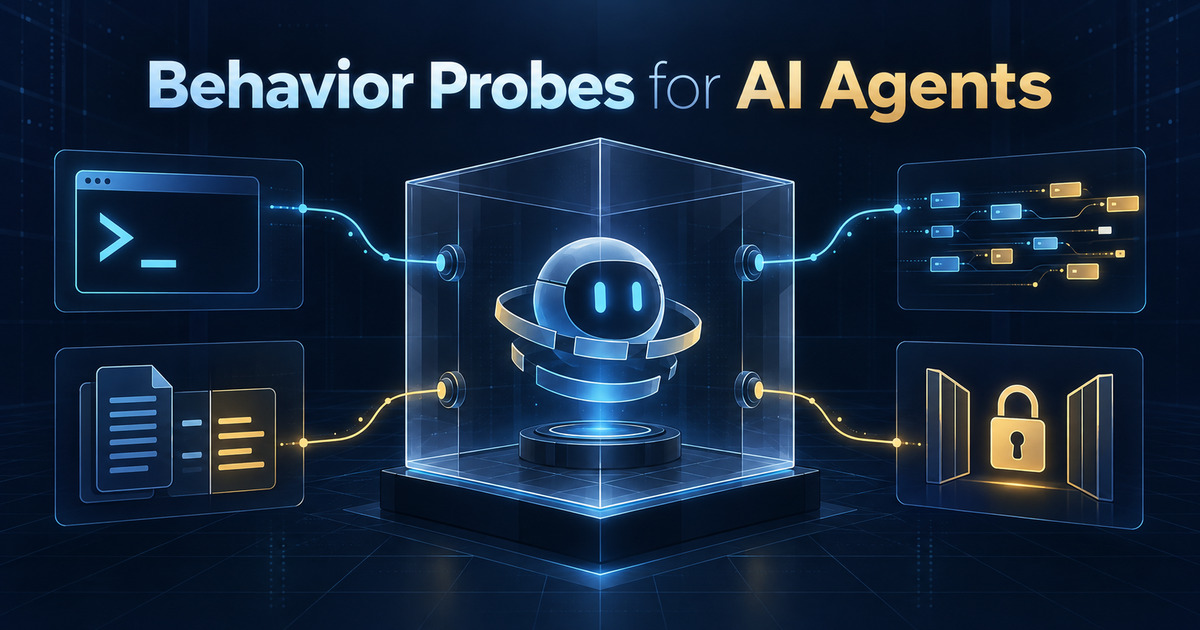
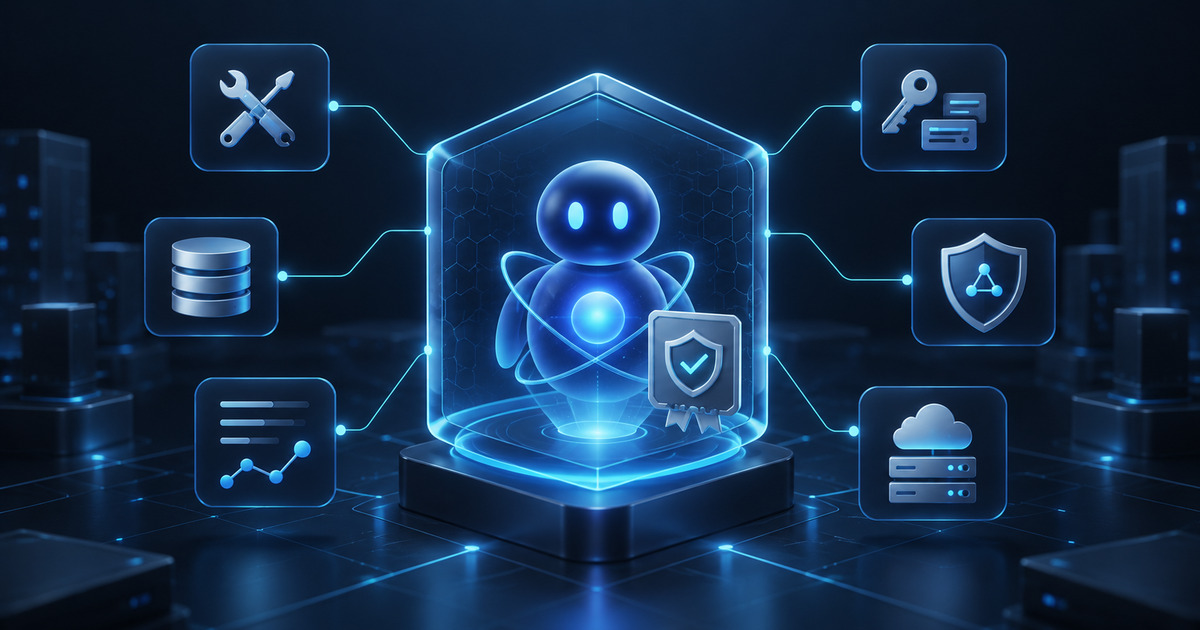
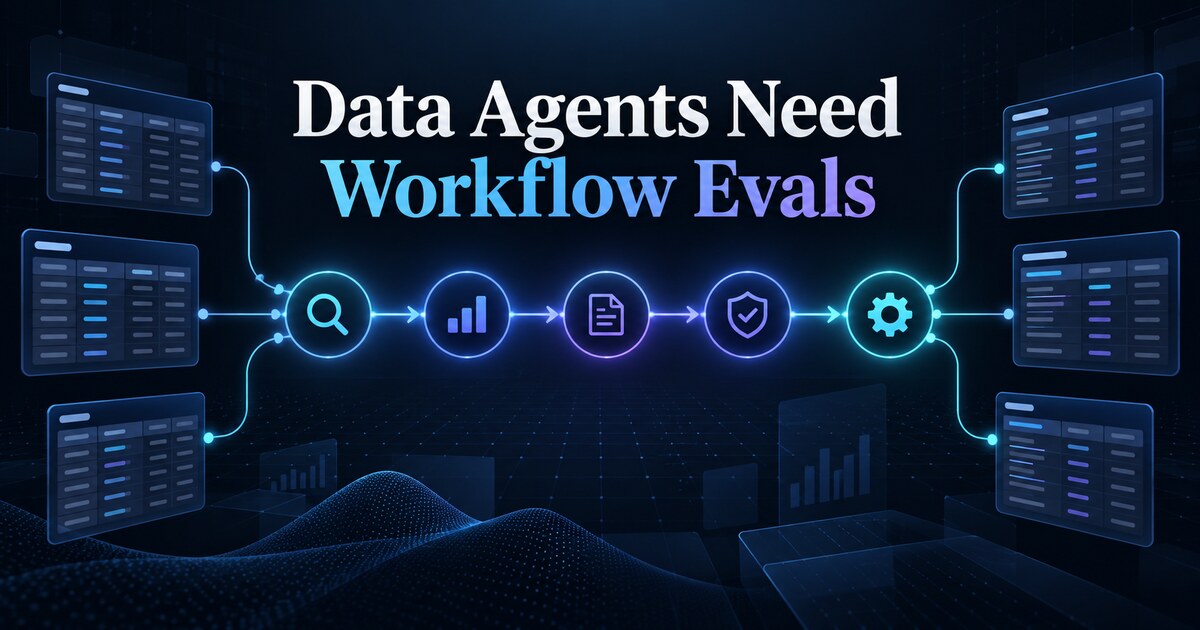
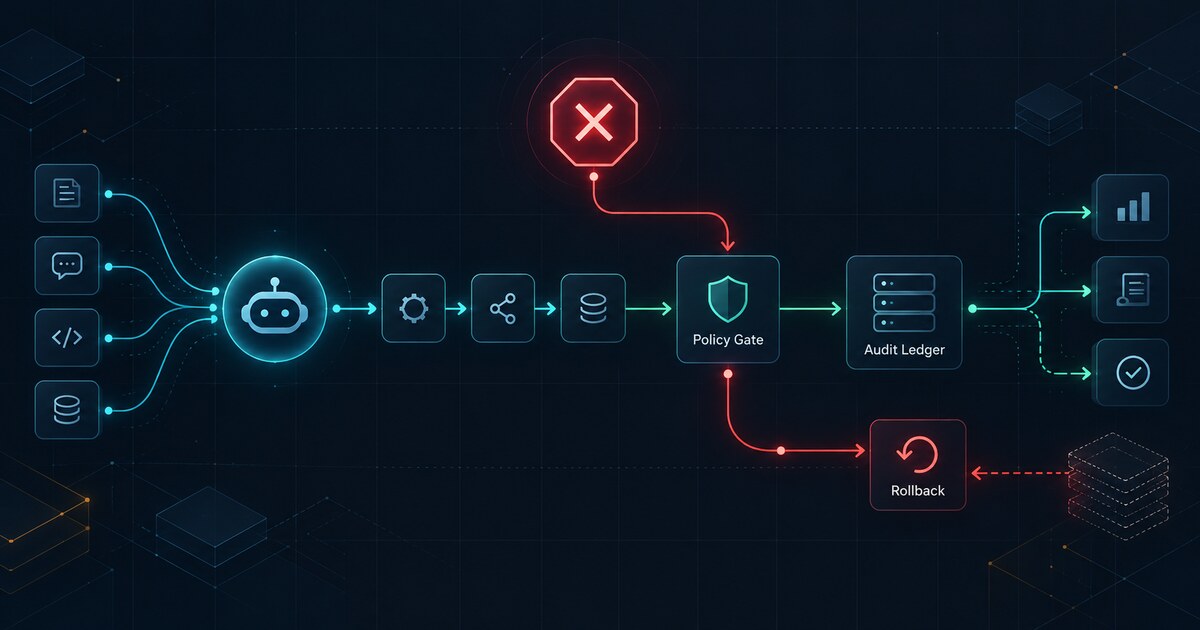
Anthropic's Claude Mythos Preview system card signals a real frontier shift: a model strong enough in cyber tasks that the lab chose restricted release over broad commercial access.
The easiest way to oversimplify AI data residency is to reduce it to a dropdown. Pick a cloud region. Deploy the model endpoint there. Tell the customer the system is “i…
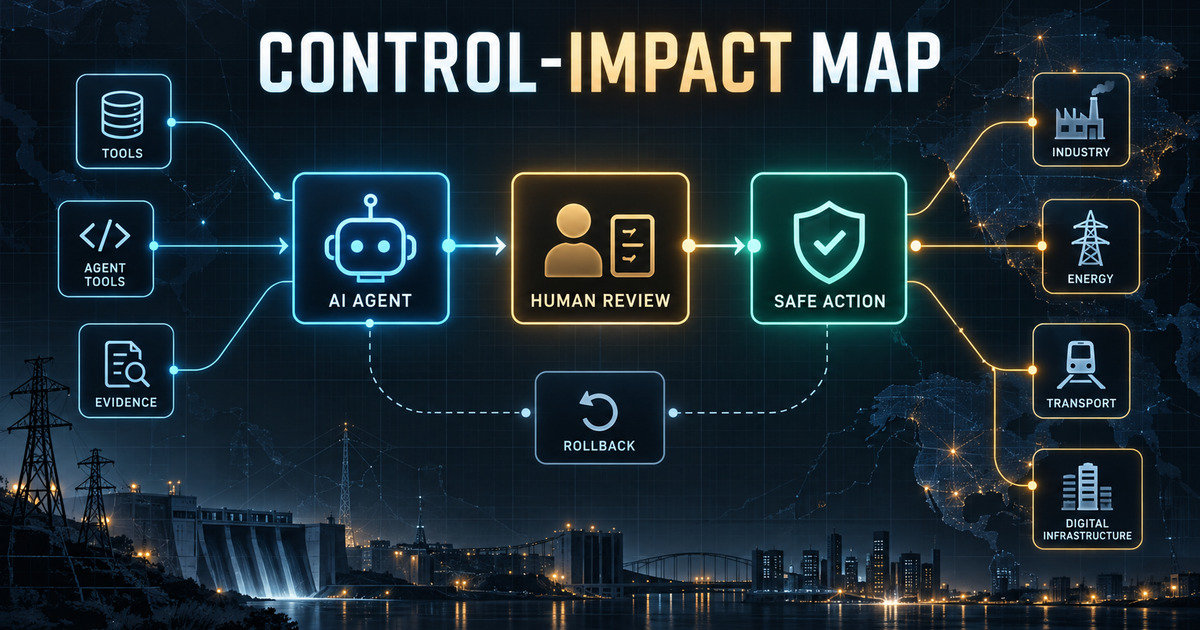
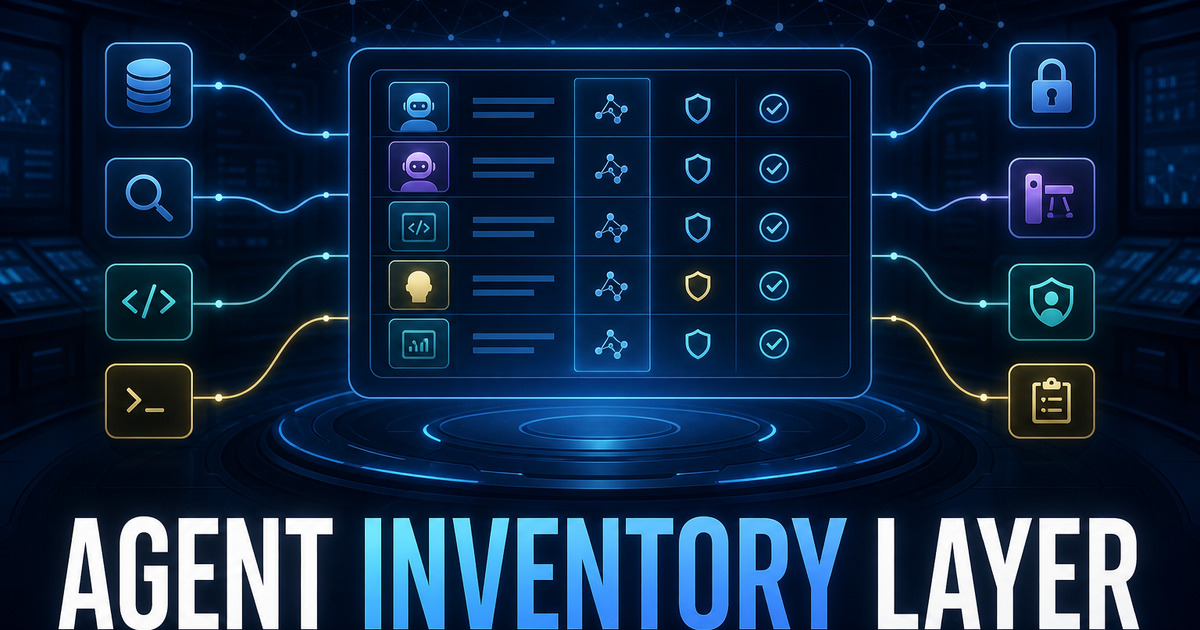
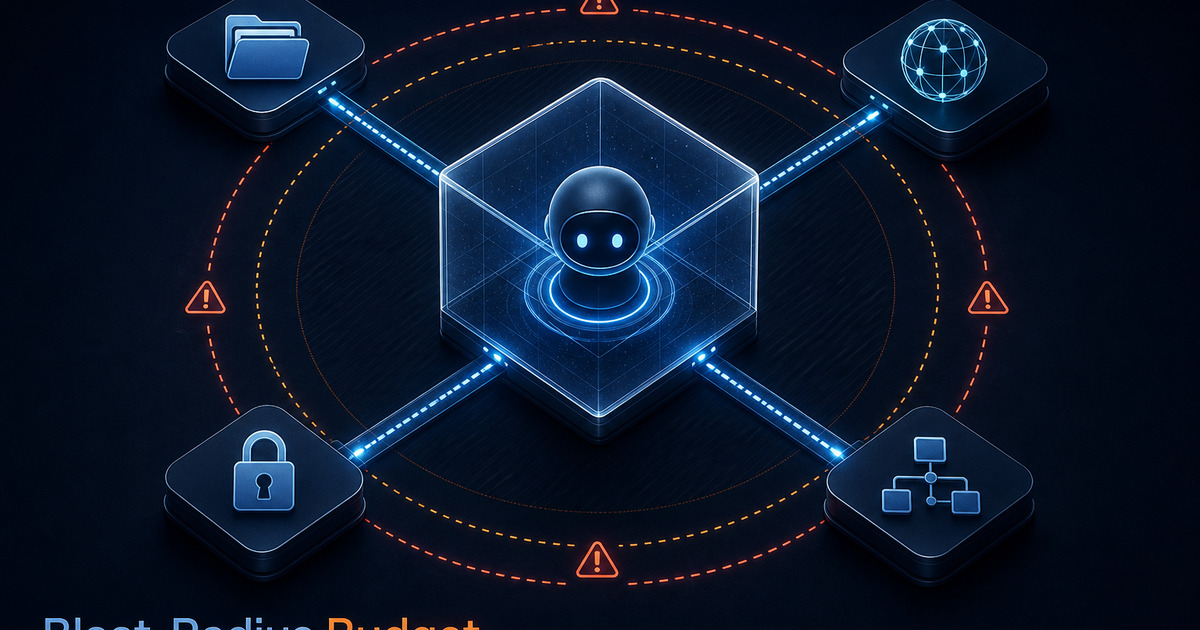
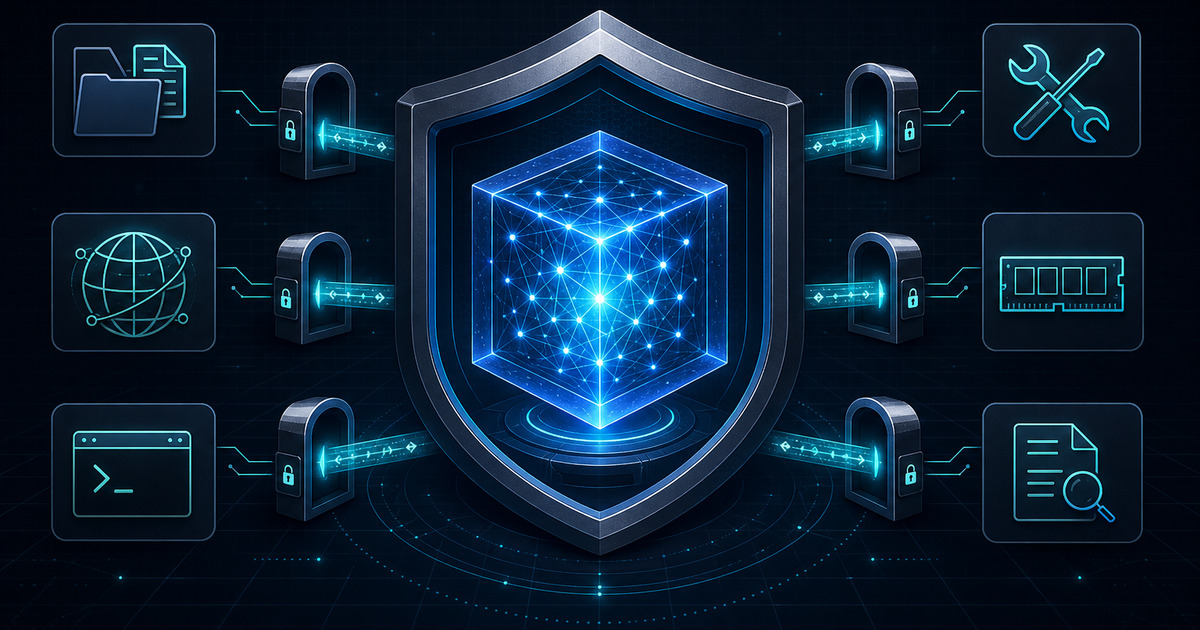
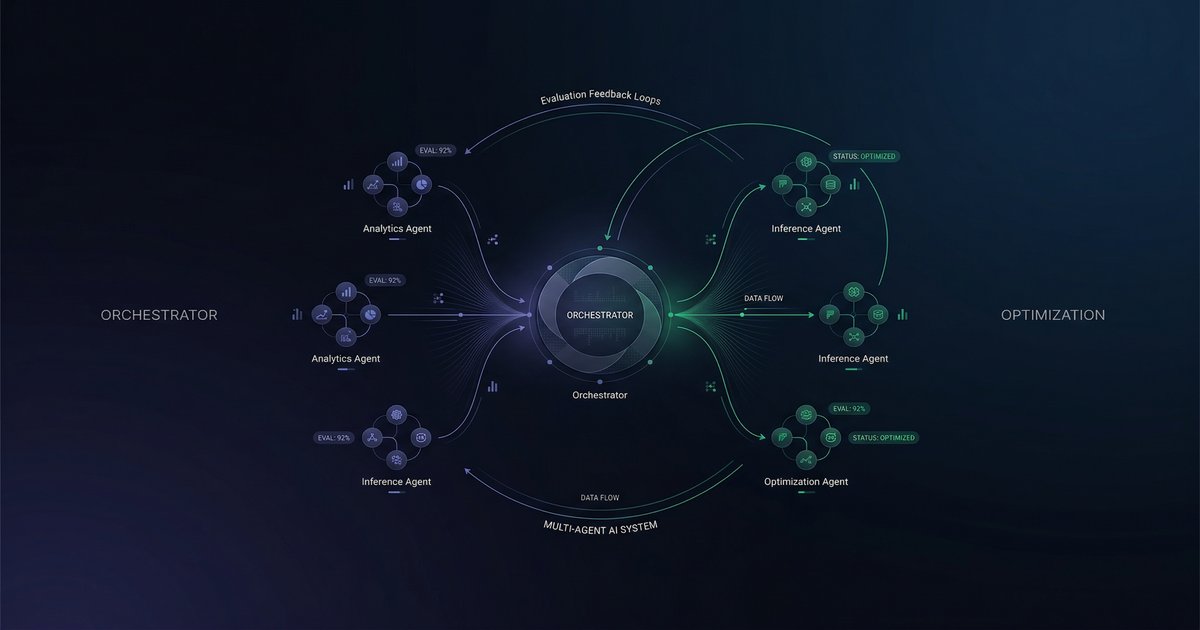
The easiest way to underestimate an AI agent is to describe it by the model it uses. The safer way is to describe what it can move. A chatbot that summarizes a maintenan…
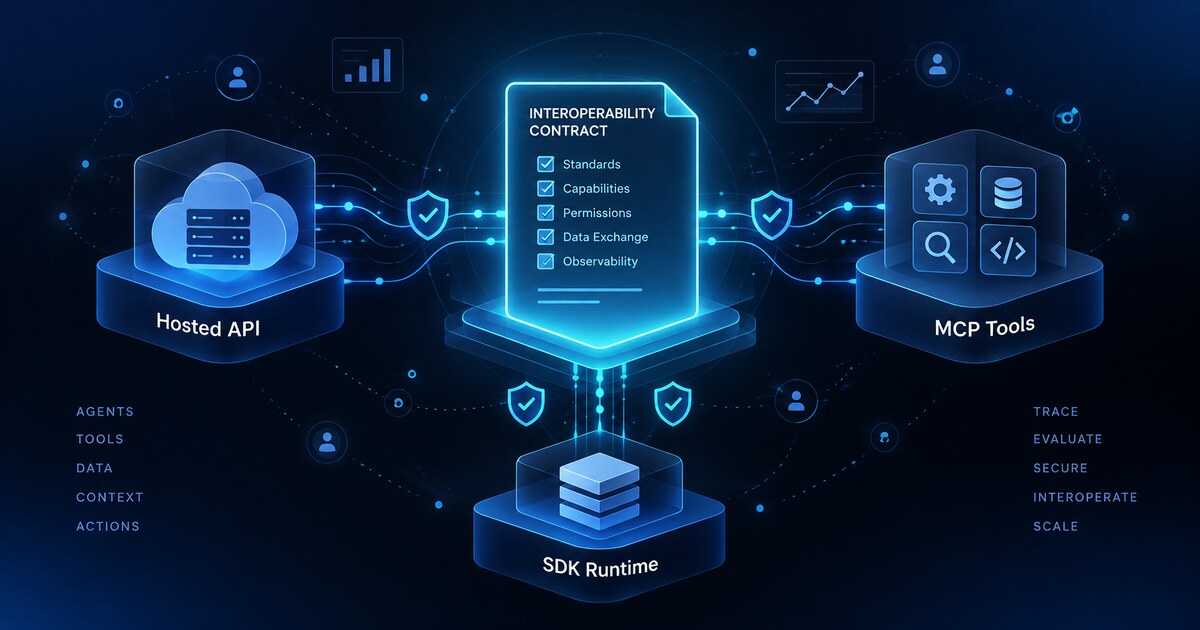
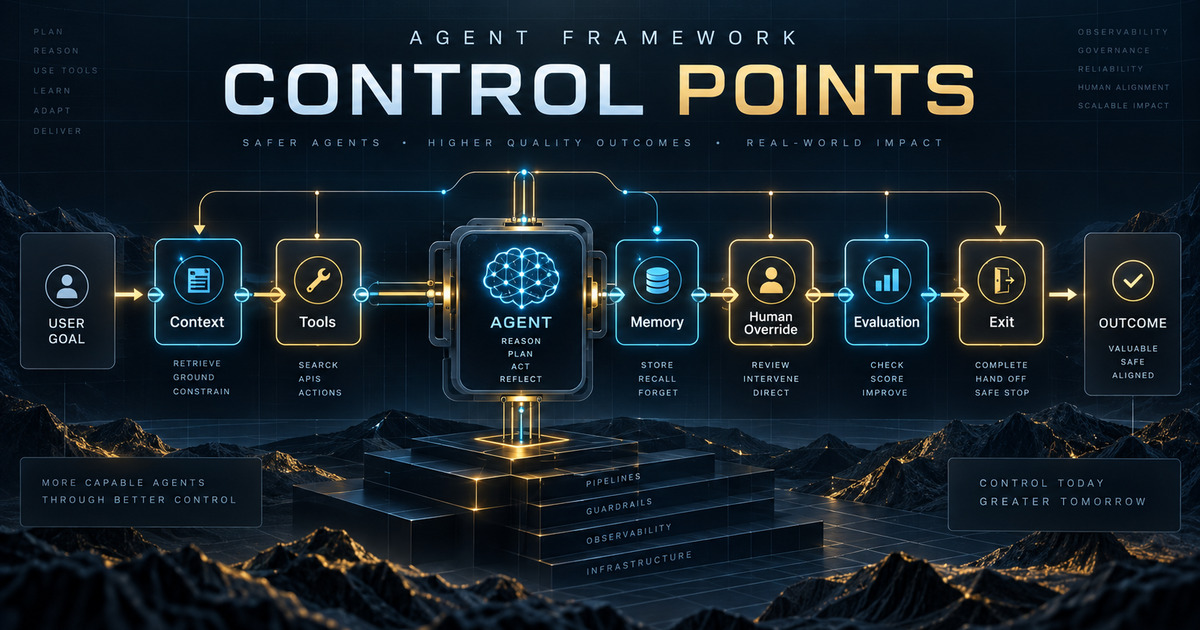
Most agent programs do not fail because the first framework was foolish. They fail because the first framework quietly became the operating system. A team starts with th…
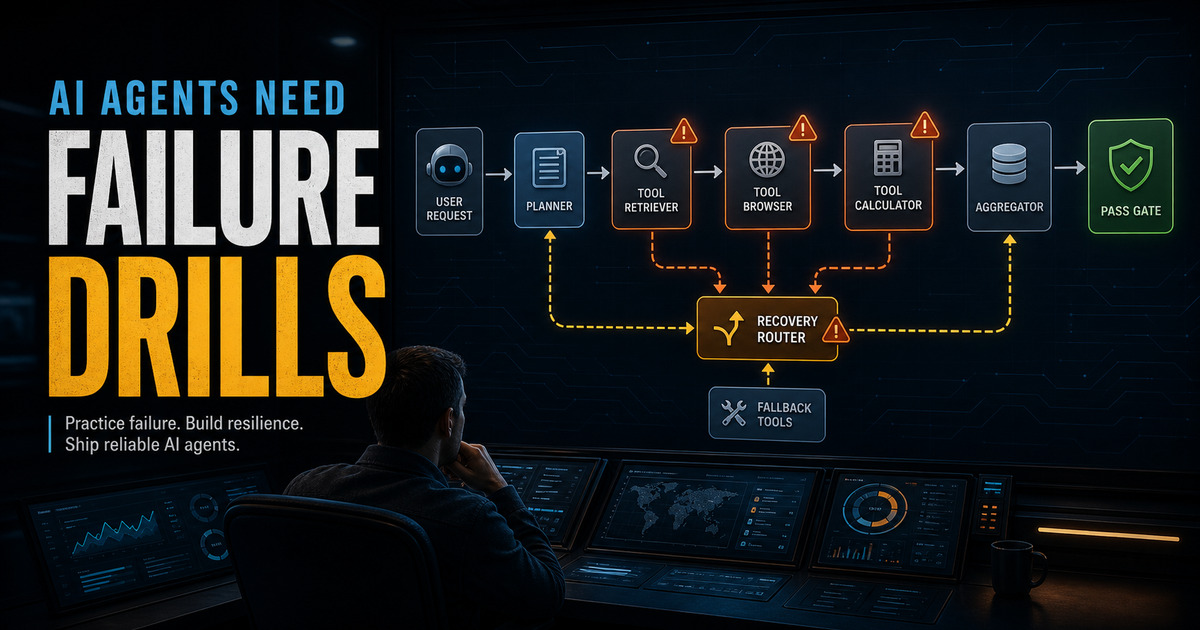
Most production agent failures do not look like explosions. They look like momentum. A tool returns a response that is technically valid but semantically suspicious. A c…
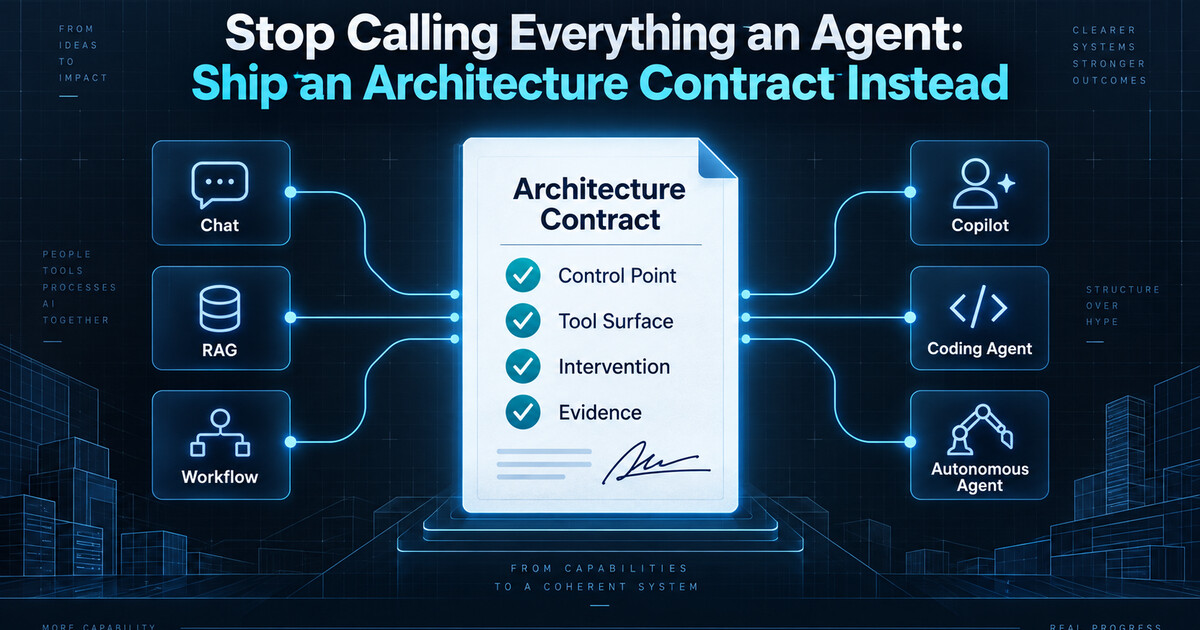
The word “agent” has become too convenient. A product team can use it for a chat assistant, a retrieval app, a workflow with a model step, a copilot that waits for appro…
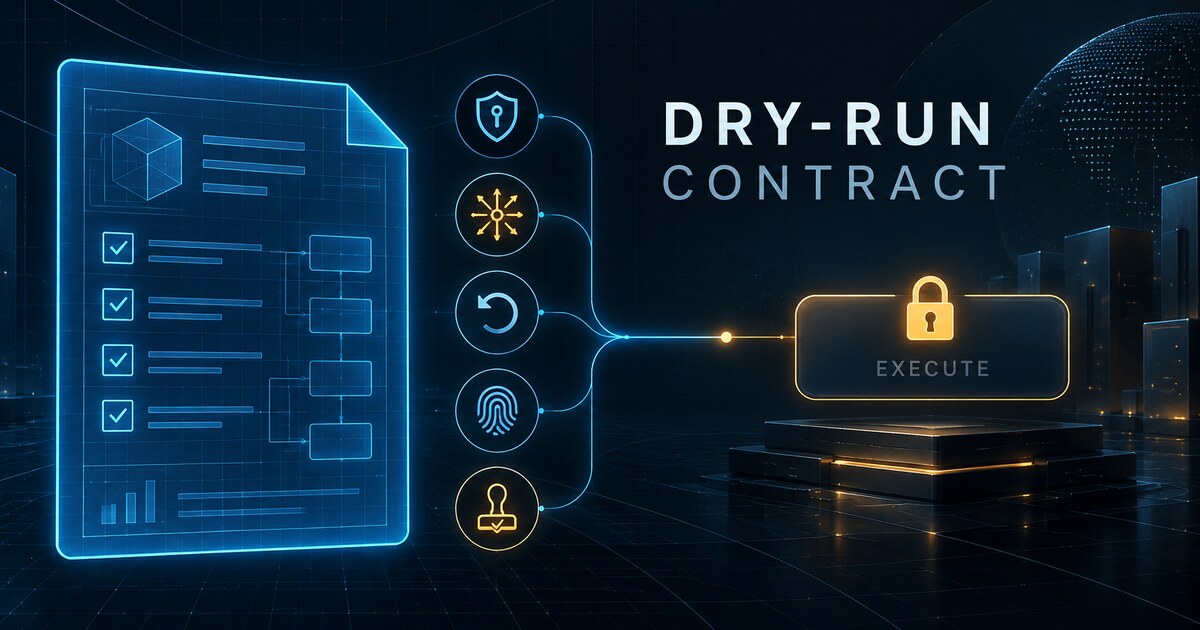
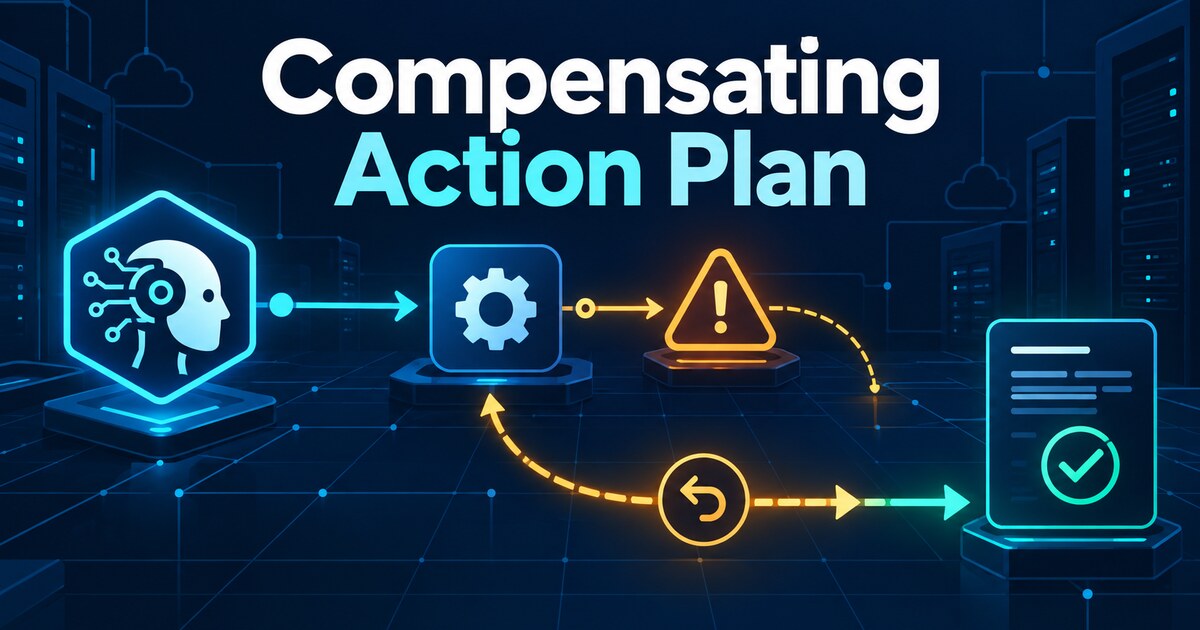
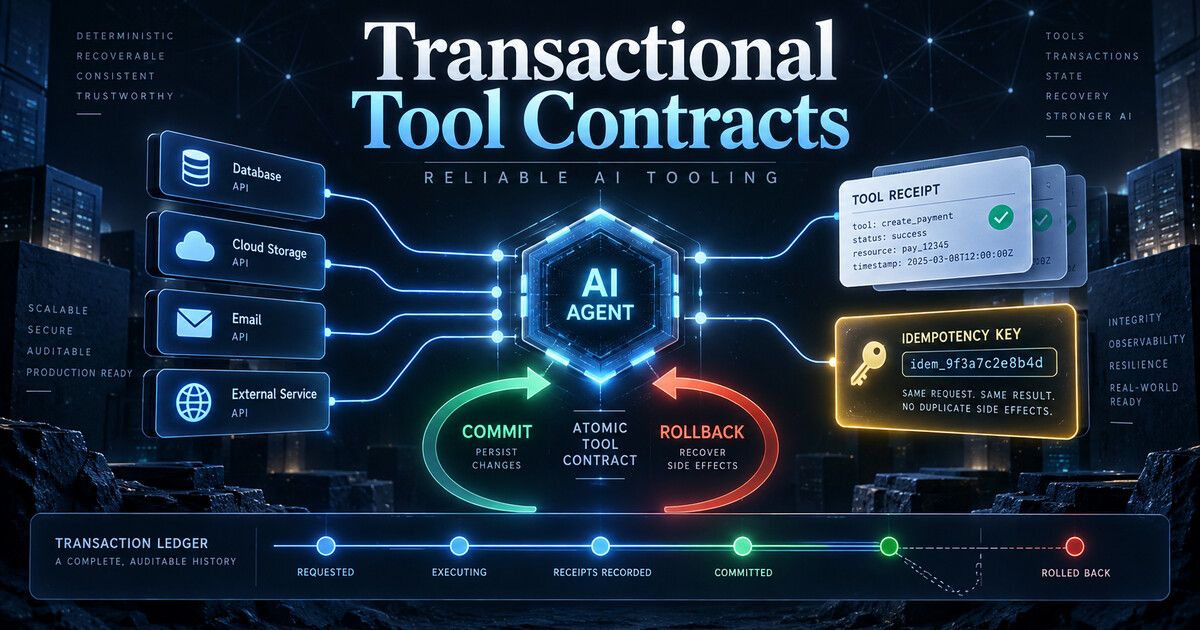
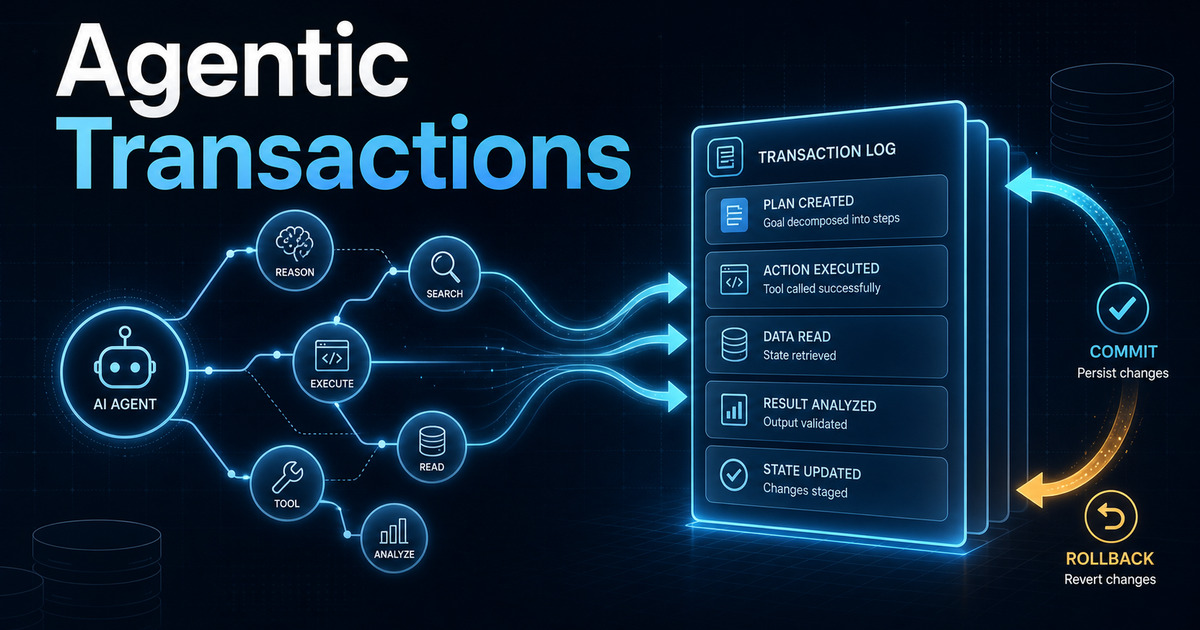
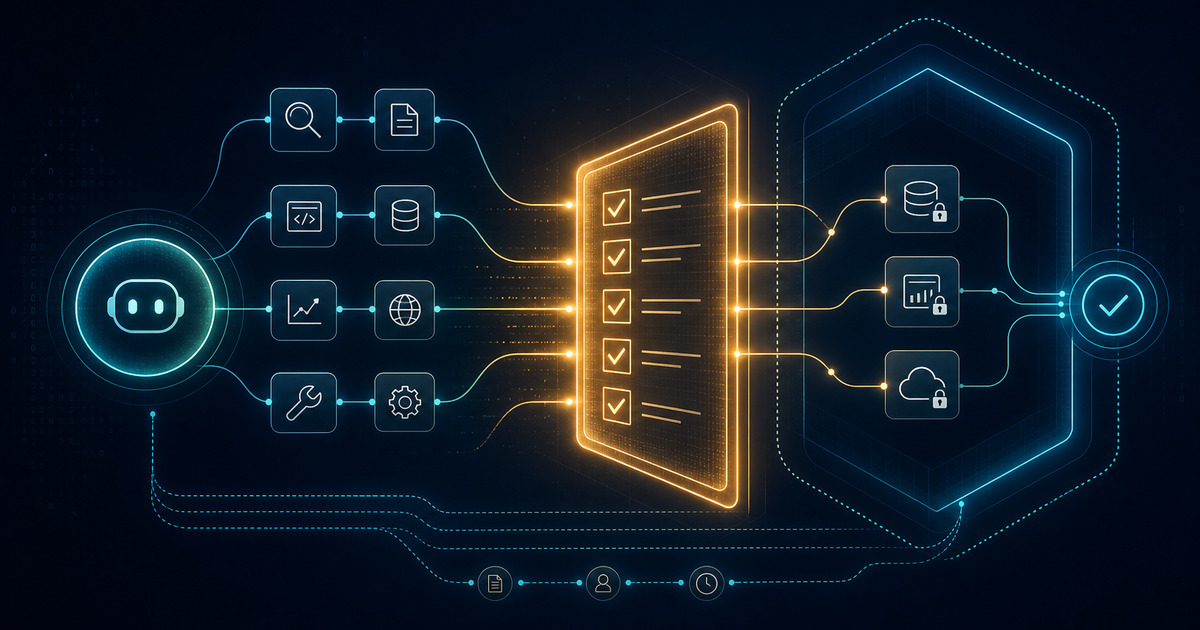
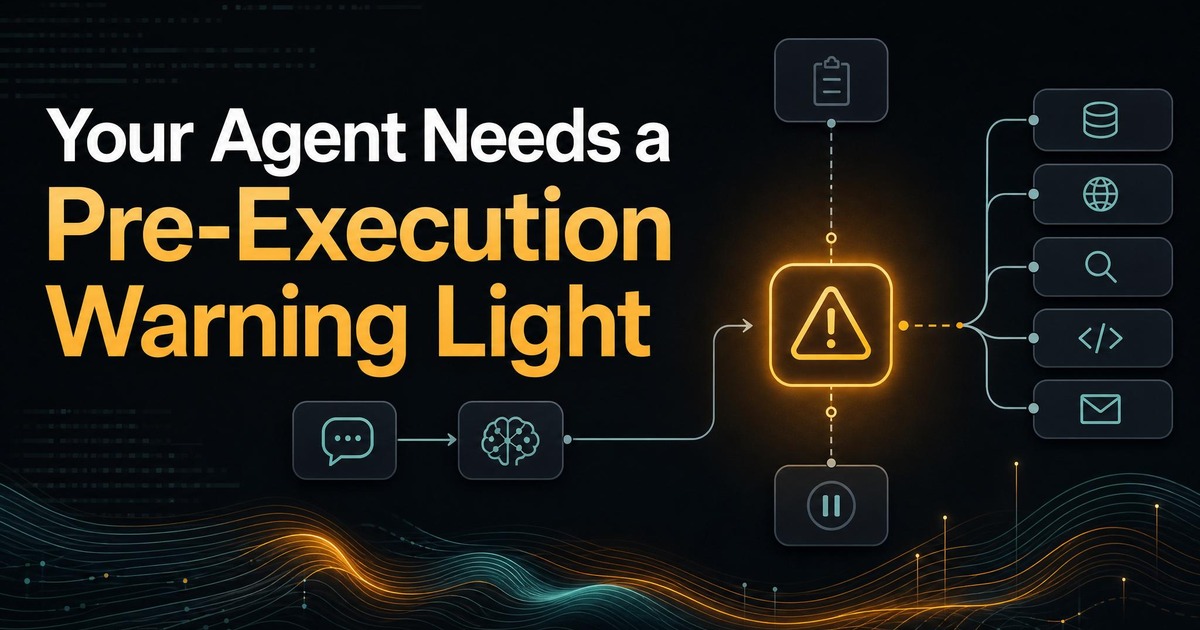
The weakest moment in many agent systems is not the model's reasoning. It is the instant a plausible plan becomes a committed side effect. A support agent drafts a refun…
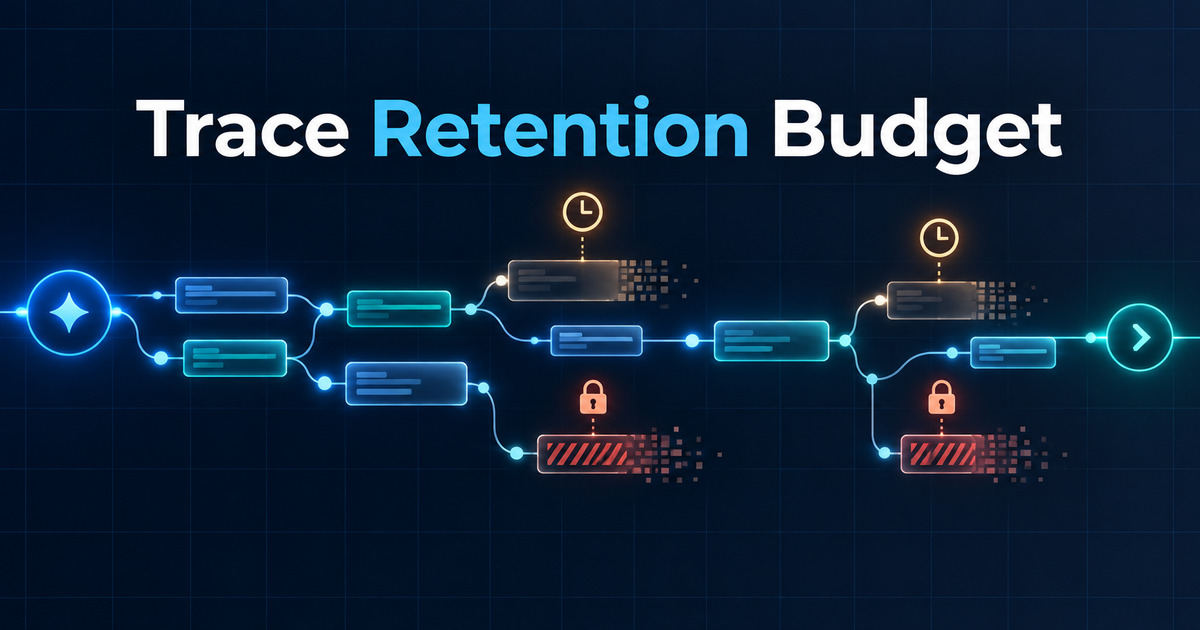
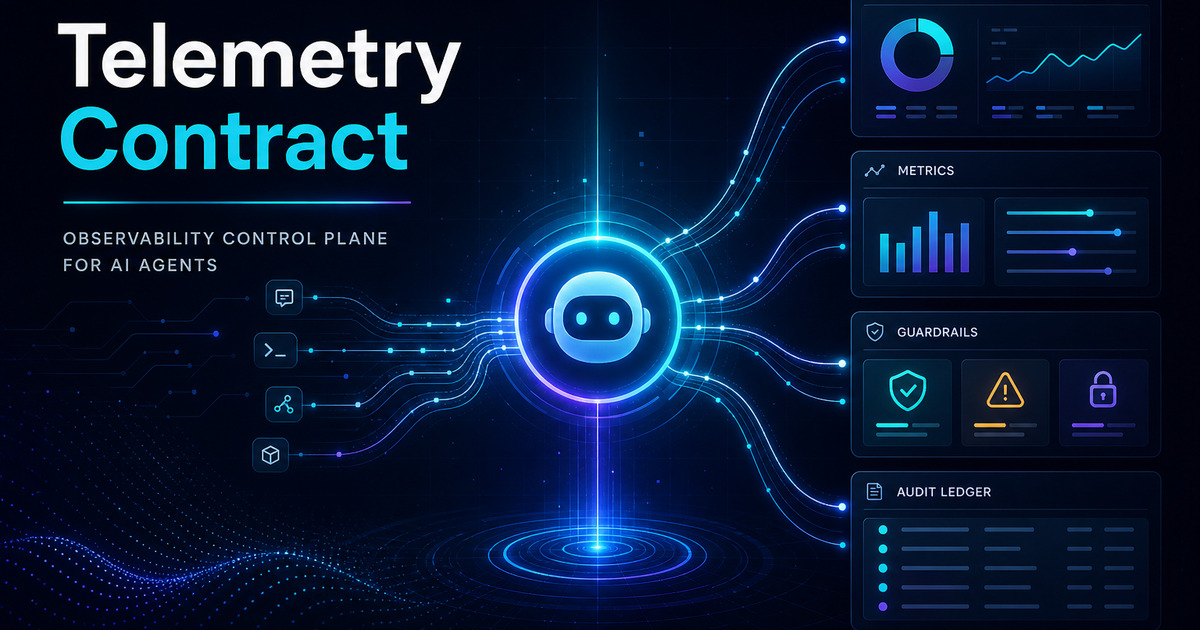
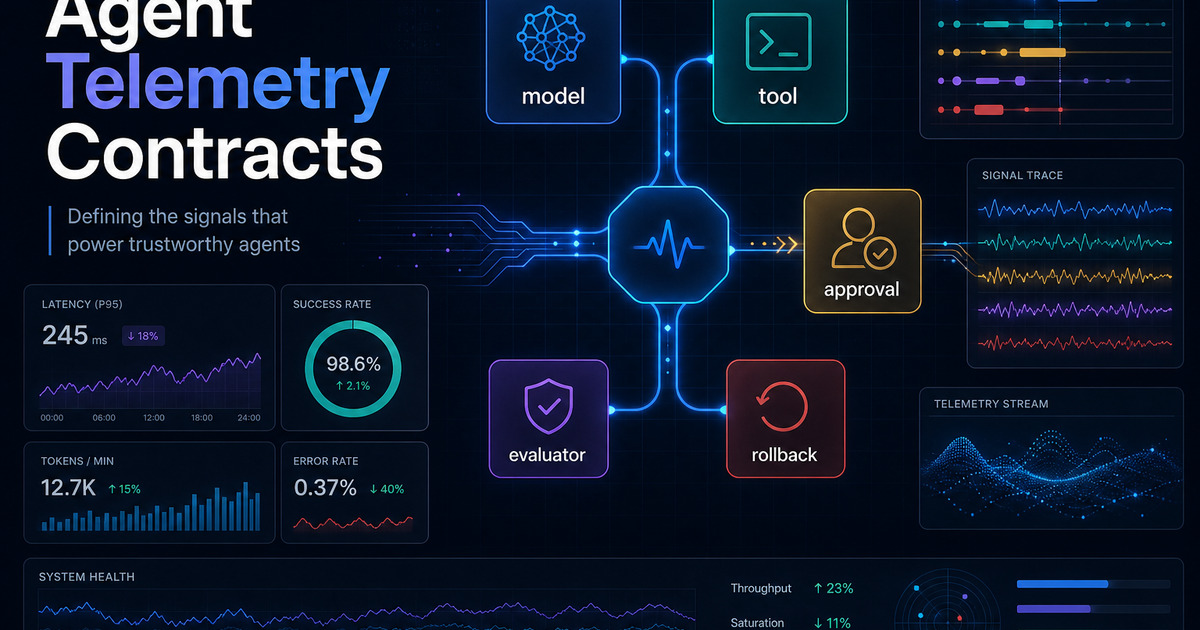
The first time an AI agent breaks in production, everyone wants the trace. What did the user ask? Which tools did the agent call? What did the model see? Which guardrail…
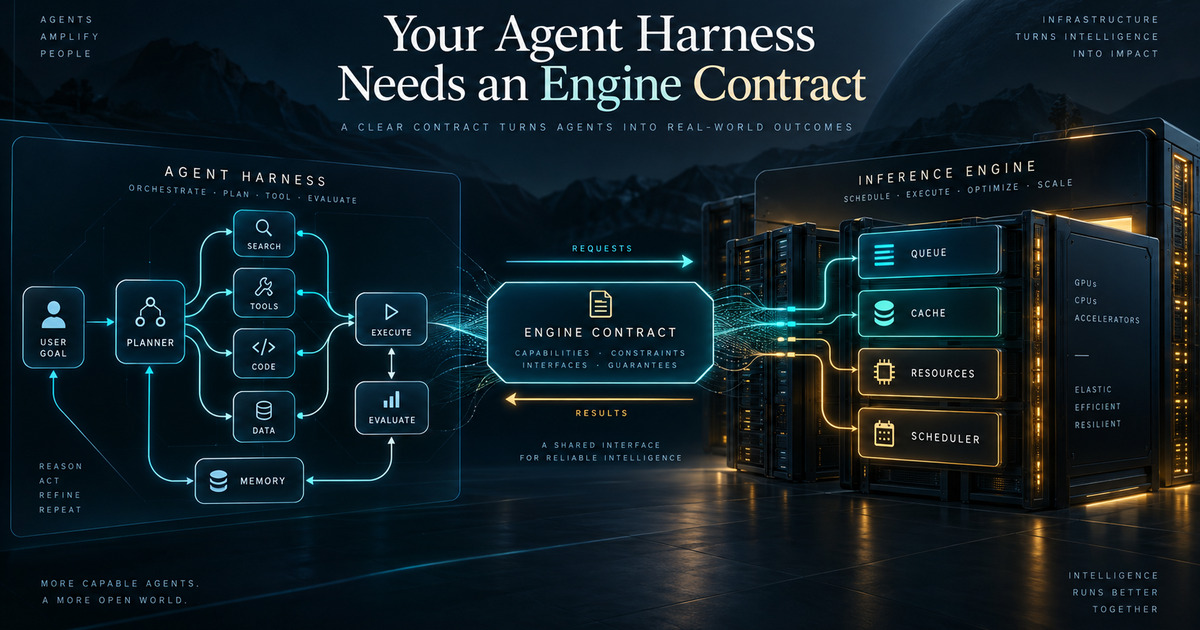
Most production-agent conversations start at the harness layer. That is where the prompts live. It is where tools are registered, handoffs are defined, approvals are req…
The first generation of enterprise AI-agent observability made a reasonable bet: capture the prompt, the tool call, the model response, and the final answer. For chatbot…
The scariest agent failure is not always the model going rogue. Often, it is the model doing exactly what the user asked in the wrong place. A coding agent opens the rig…
The scariest failure mode for a cybersecurity agent is not always a dramatic hallucination. Sometimes it is one plausible command with one wrong flag. That is what makes…
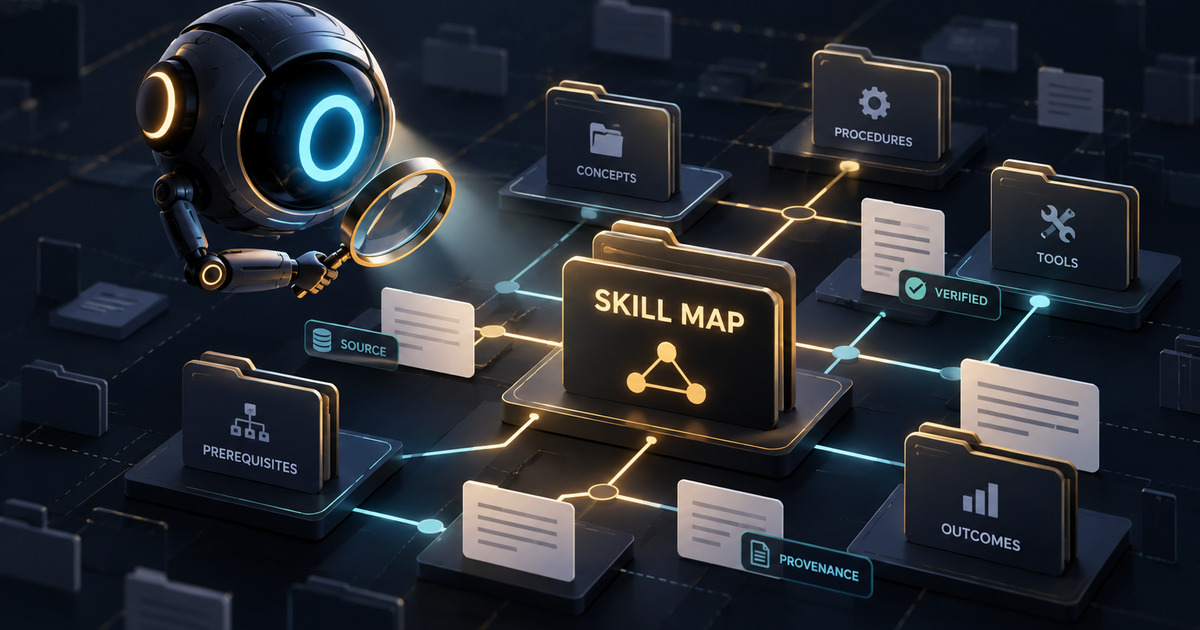
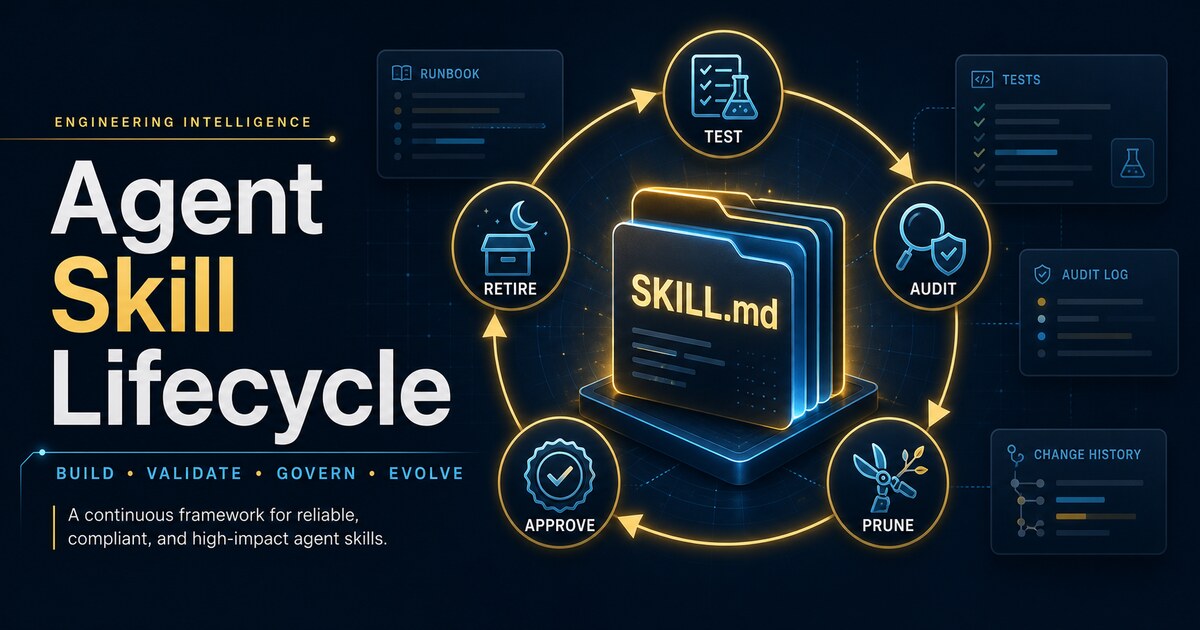
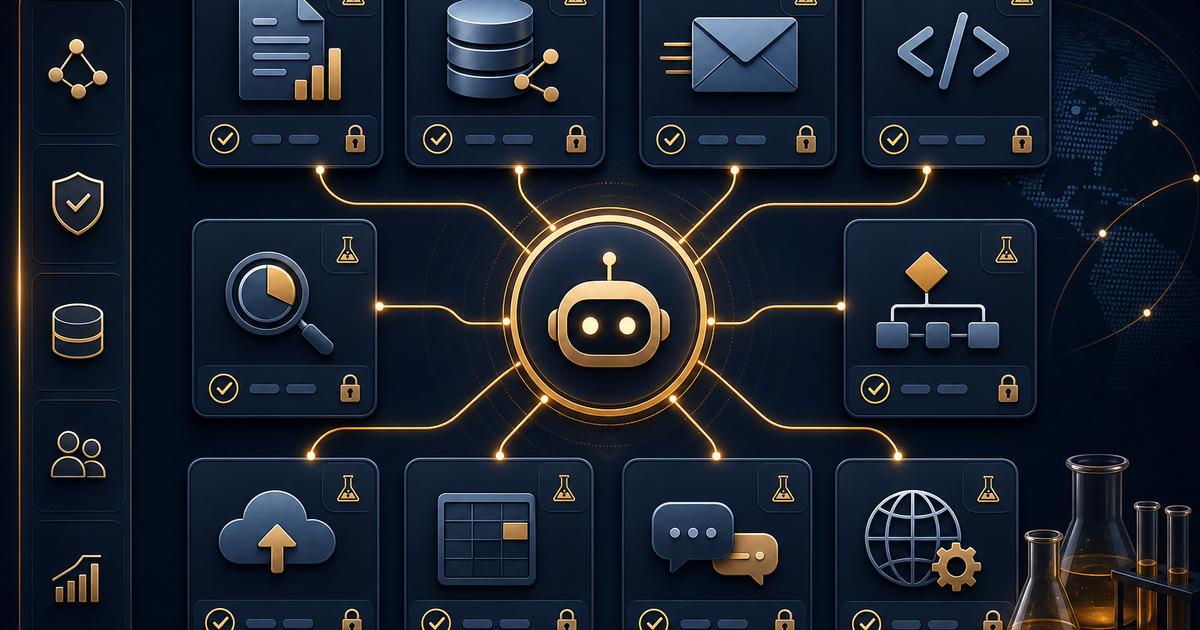
Reusable skills are one of the most useful patterns in modern agent work. Instead of asking a model to rediscover your deployment process, your code-review checklist, or…
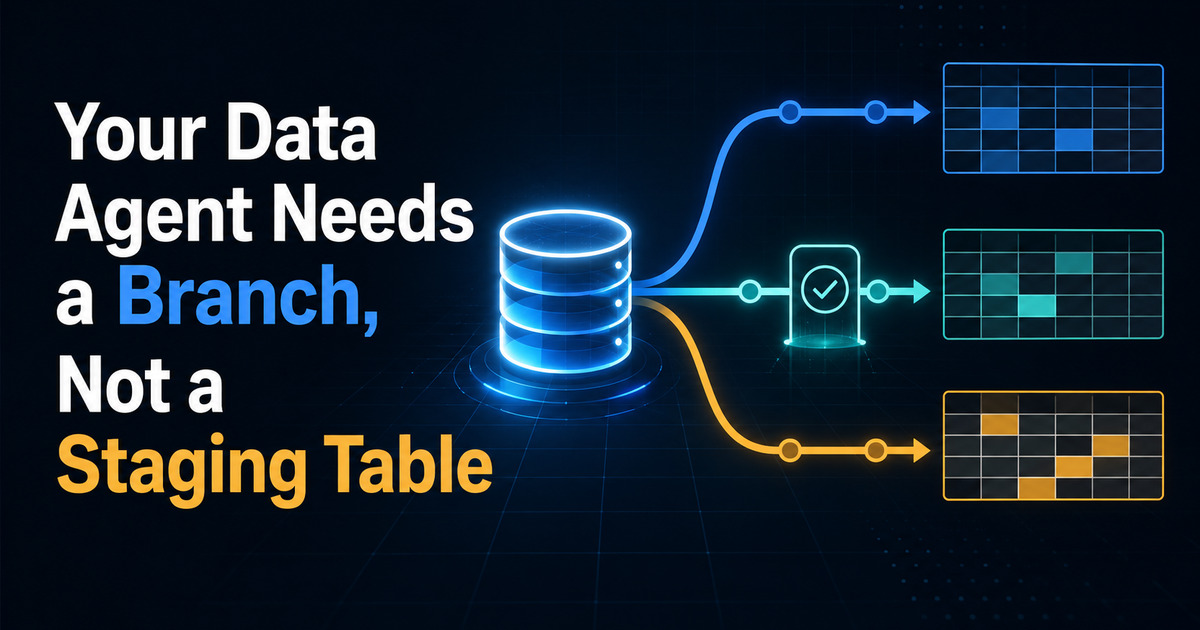
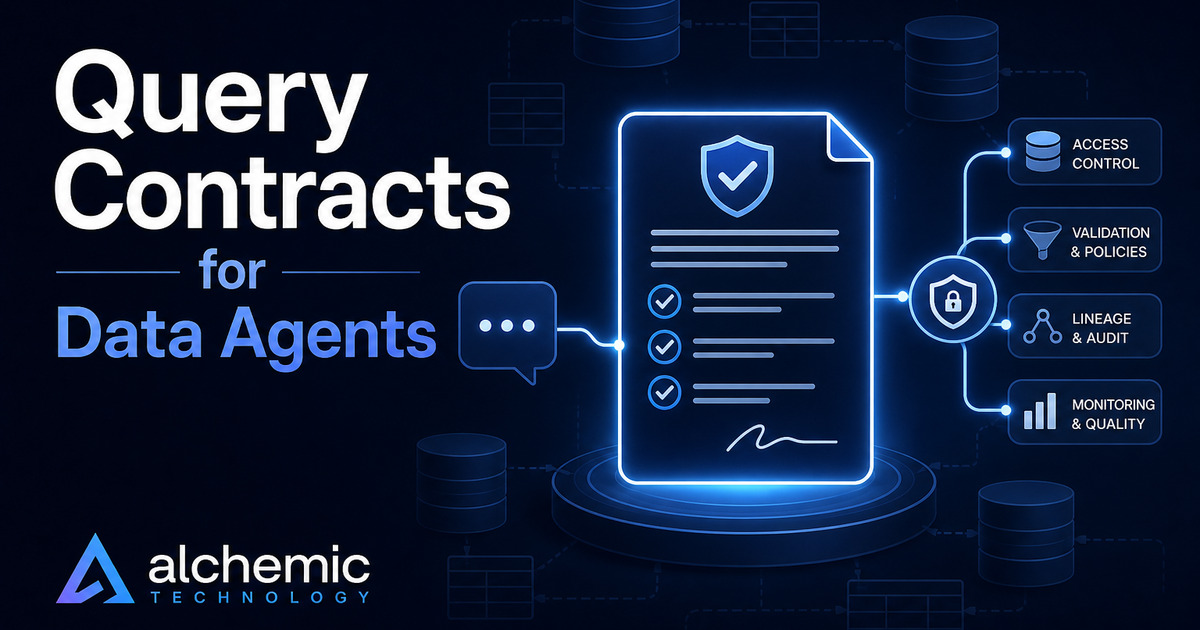
The easiest way to overestimate a data agent is to watch it write a clean SQL query. The prompt looks reasonable. The generated query joins the right-looking tables. The…
A stop button feels reassuring until the agent has already touched the world. It is easy to imagine cancellation as a user-interface feature: the human clicks stop, the…
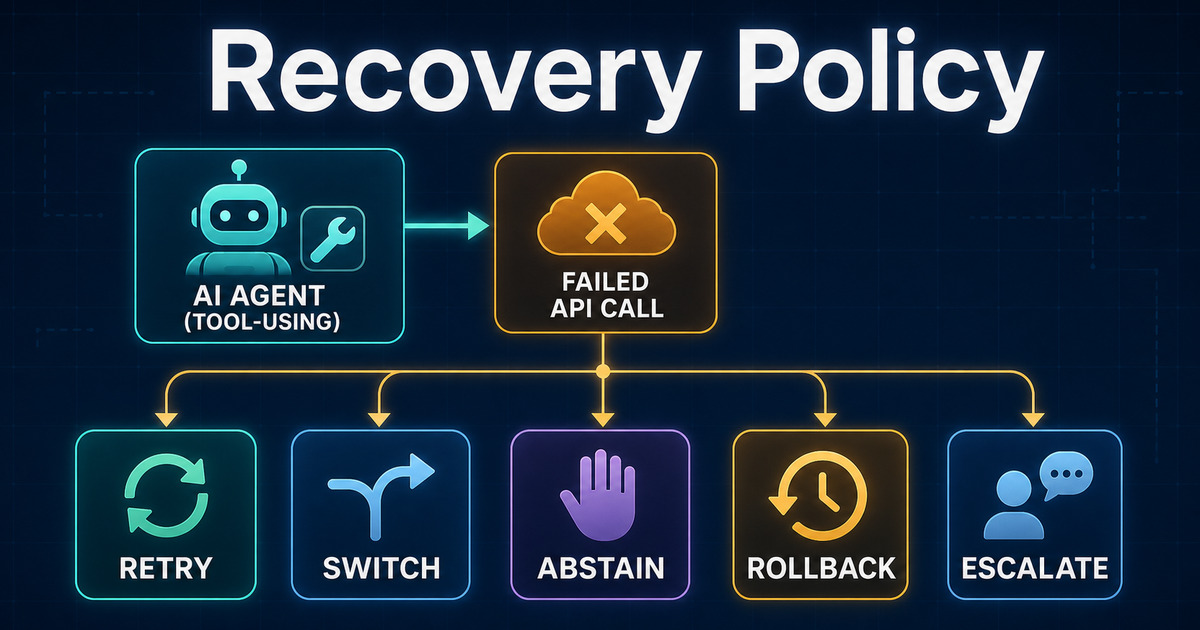
Most agent failures are described as if nothing happened. The model got confused. The tool timed out. The workflow stalled. The run should be retried. That framing is sa…
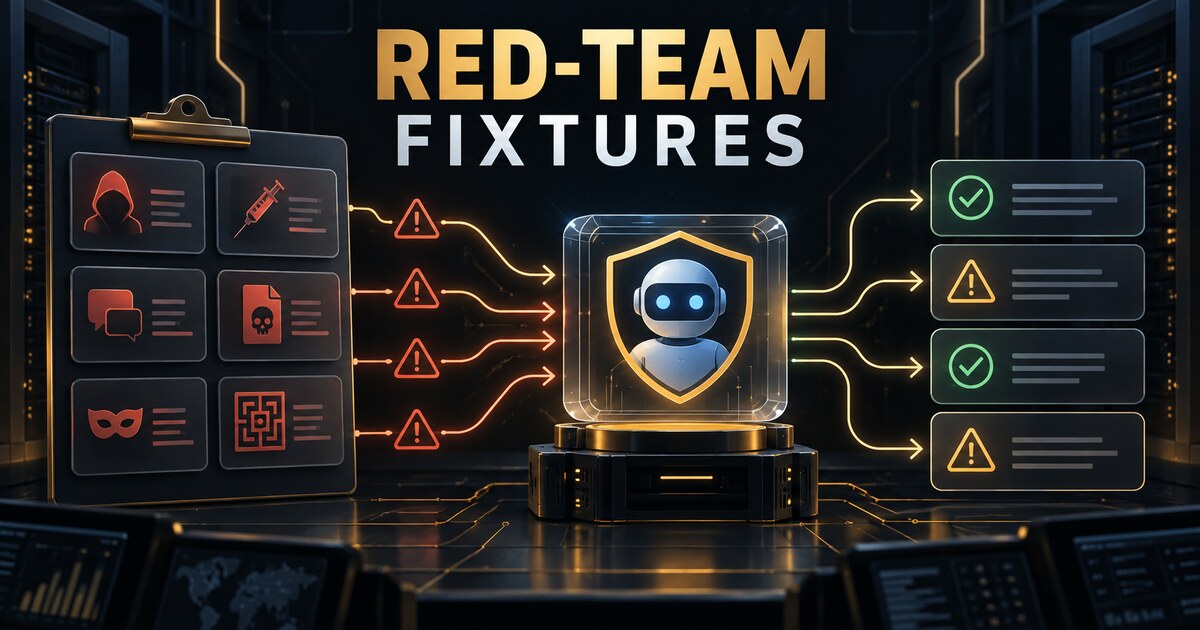
A demo proves that an AI agent can succeed once. A red-team fixture proves that an old failure mode stays fixed. That distinction matters more as agents move from chat w…
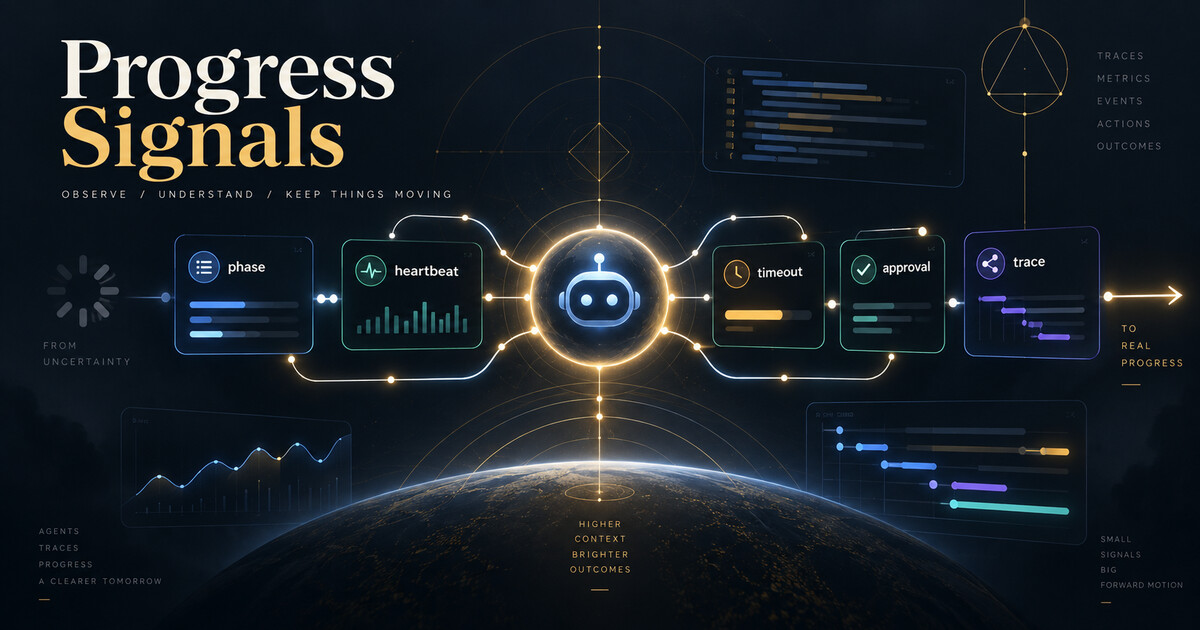
A spinner is fine when a web form takes three seconds. It is not fine when an AI agent is reconciling invoices, drafting a customer response, querying a vendor API, prep…
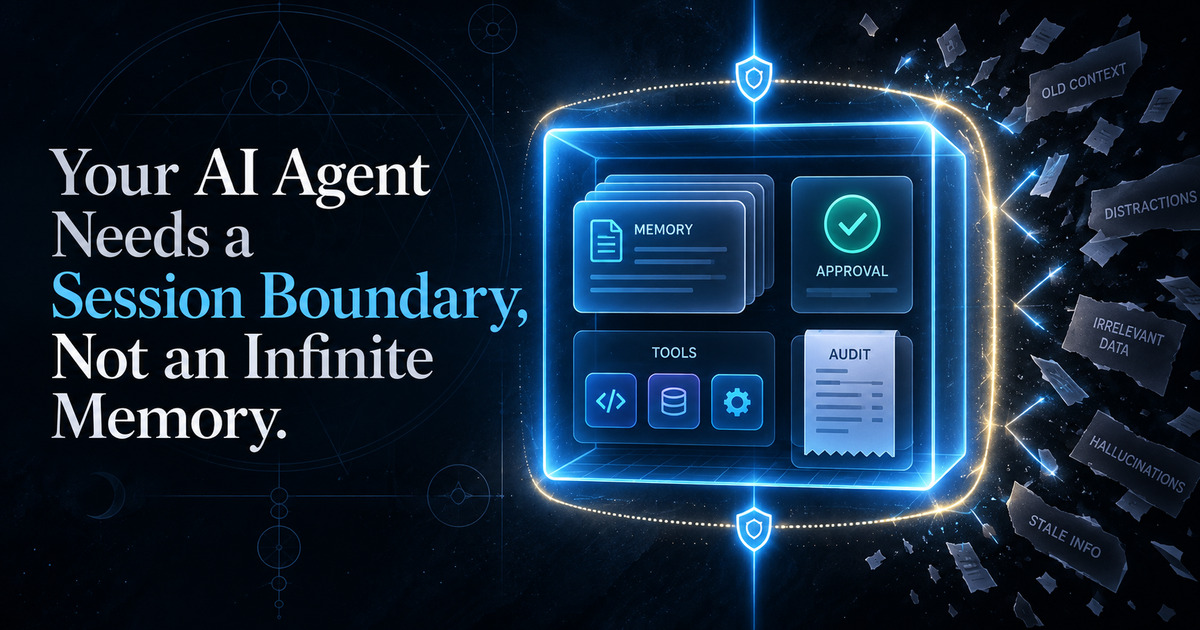
The easiest way to make an AI agent feel magical is to let it remember everything. Keep the whole conversation. Keep the tool traces. Keep the approvals. Keep the user’s…
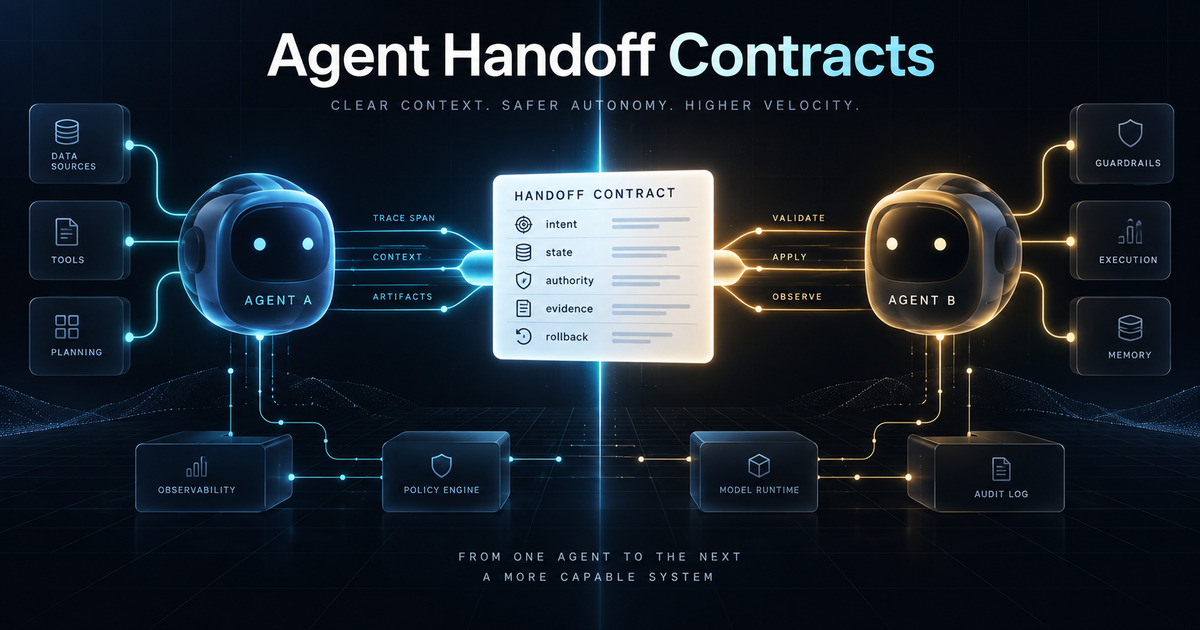
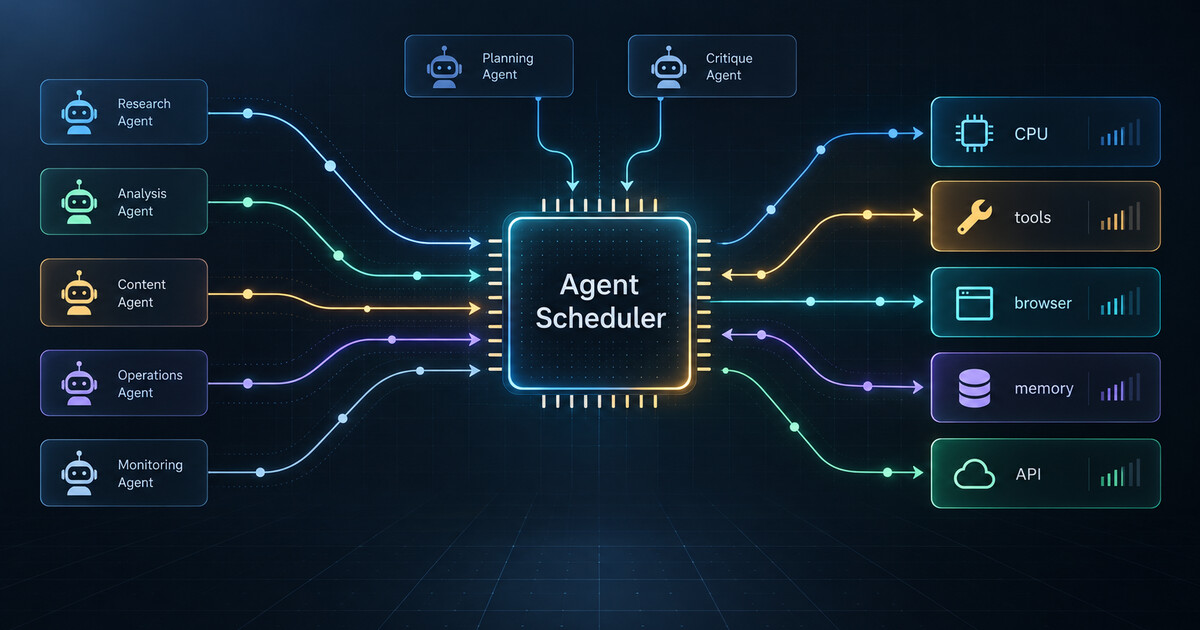
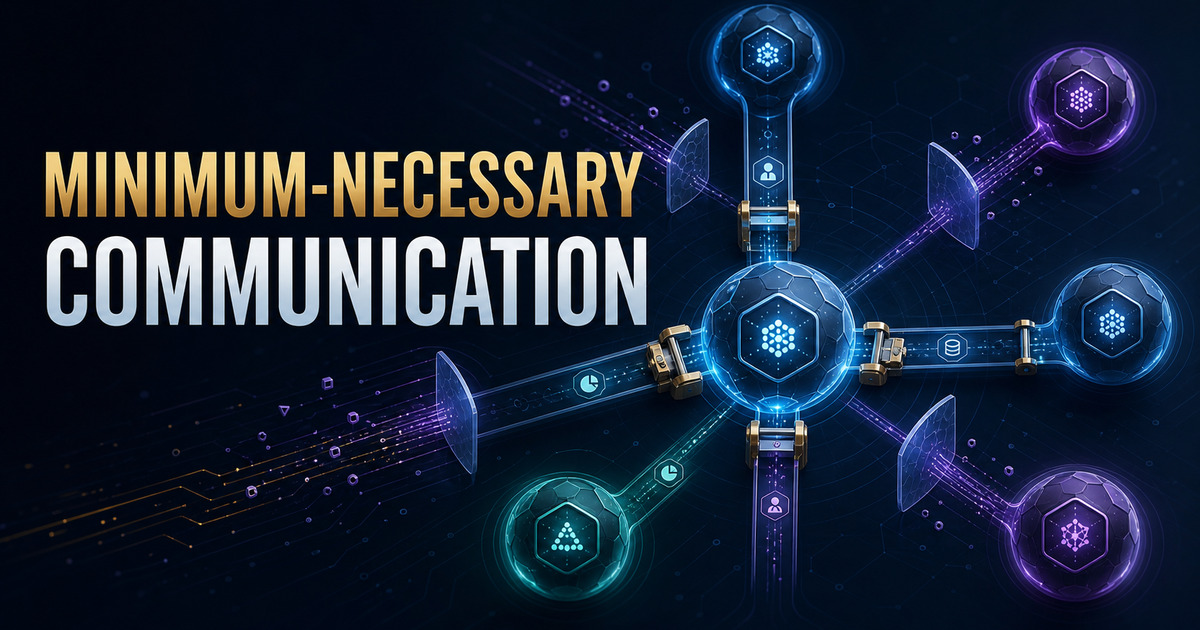
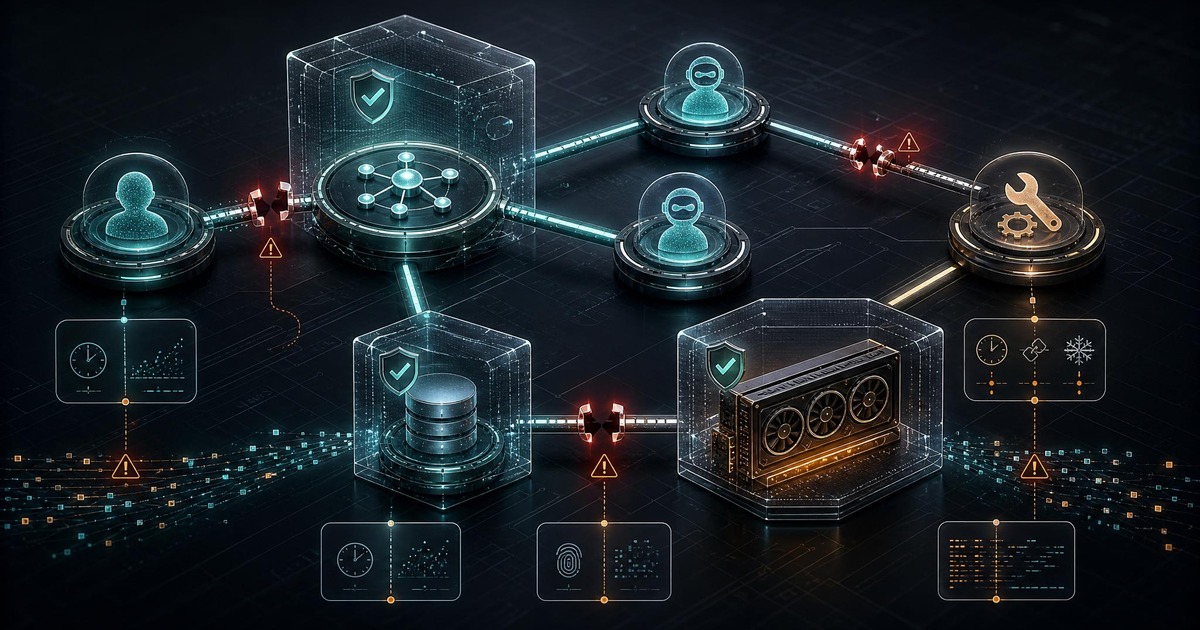
The first agent does the research. The second agent writes the code. A third agent reviews the change. A fourth agent opens the ticket, updates the customer, or prepares…
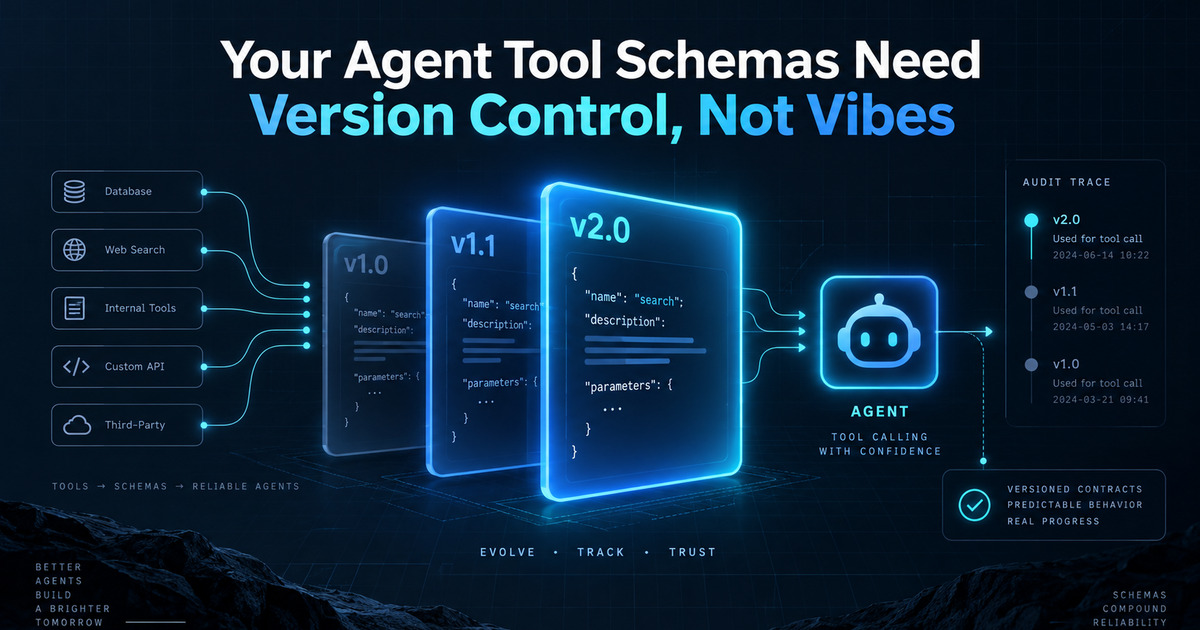
A production agent does not need a dramatic model failure to break. Sometimes the failure starts with something smaller: a tool argument is renamed, a default changes fr…
The easiest way to make an AI agent feel more capable is to give it more context. Add the full ticket history. Add the policy manual. Add the tool logs. Add the last fiv…
The easiest way to make an enterprise agent look smarter is to give it more documents. The easiest way to make that same agent fail in production is to give it those doc…
A failed tool-using agent run is tempting to read like a failed conversation. The transcript starts cleanly, the agent makes a few reasonable moves, a tool response come…
A stop button is not the same thing as stopped work. That distinction becomes uncomfortable once an AI agent is allowed to do anything beyond draft text. A production ag…
The most dangerous part of an autonomous agent may not be the tool call. It may be the final paragraph. That is where the agent turns a messy execution trace into a clea…
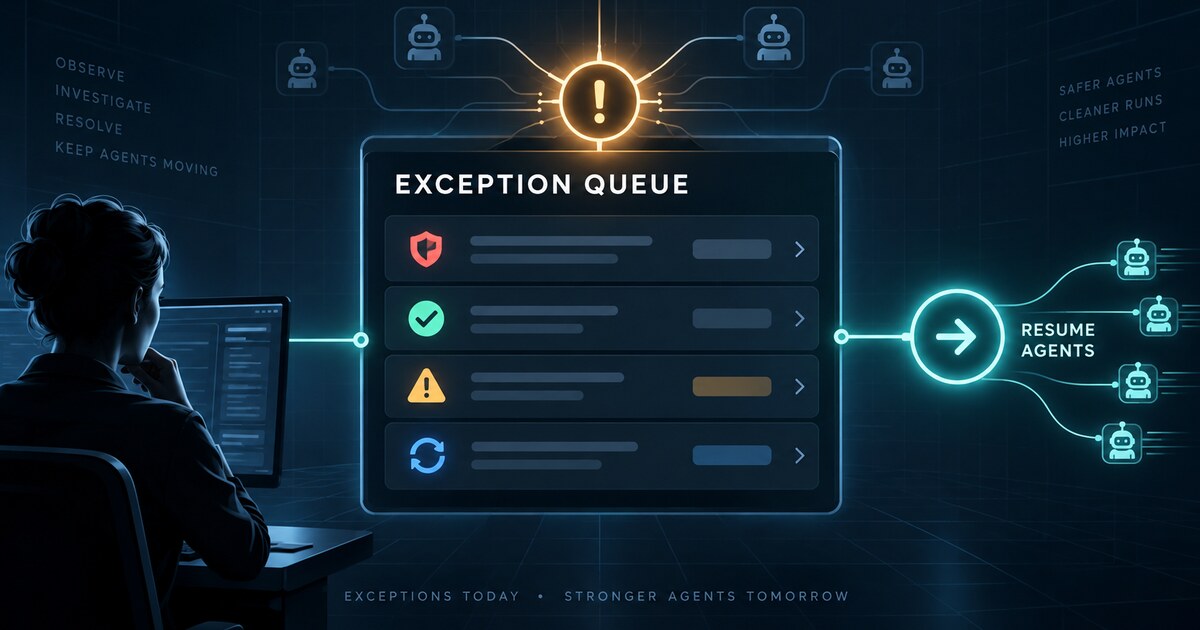
Most agent demos assume a person is standing next to the run. The agent asks for approval, the person clicks yes, and the workflow continues. That works in a video. It b…
The easiest way to put an AI agent into production is to give it a queue. A user asks for work. The app writes a job. A worker picks it up, calls a model, opens a browse…
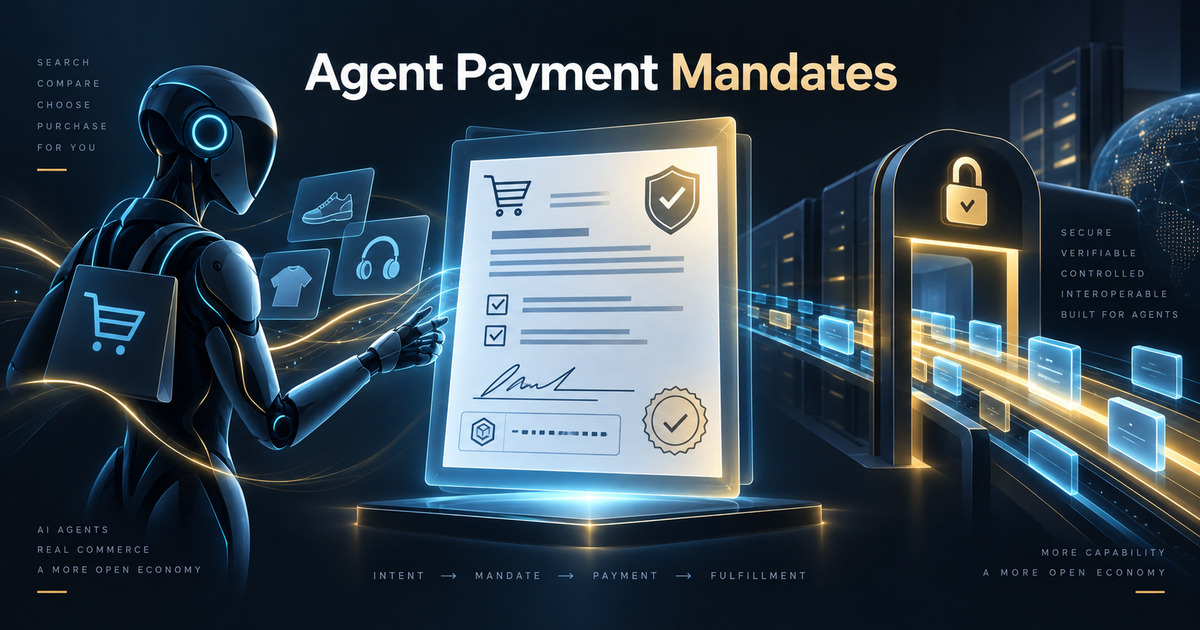
The easiest version of agentic commerce is also the least useful one: give an AI assistant a payment method, let it browse, and hope the transcript proves that whatever…
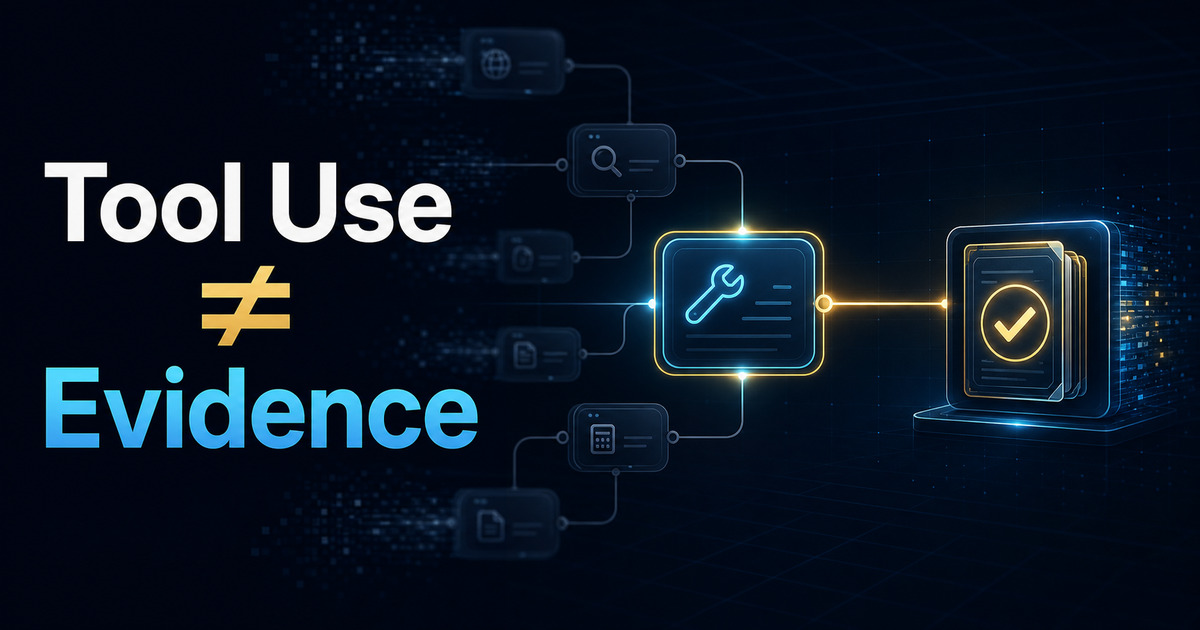
A successful tool call is one of the most comforting lies in an AI agent trace. The model asked the CRM to create a record. The tool returned success: true. The orchestr…
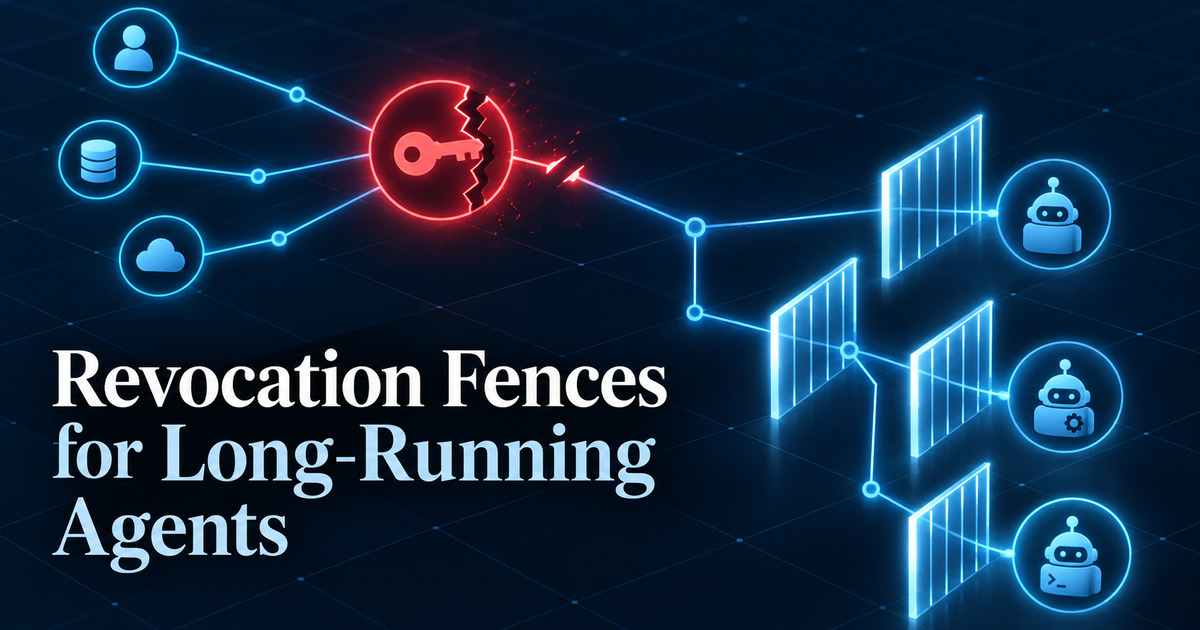
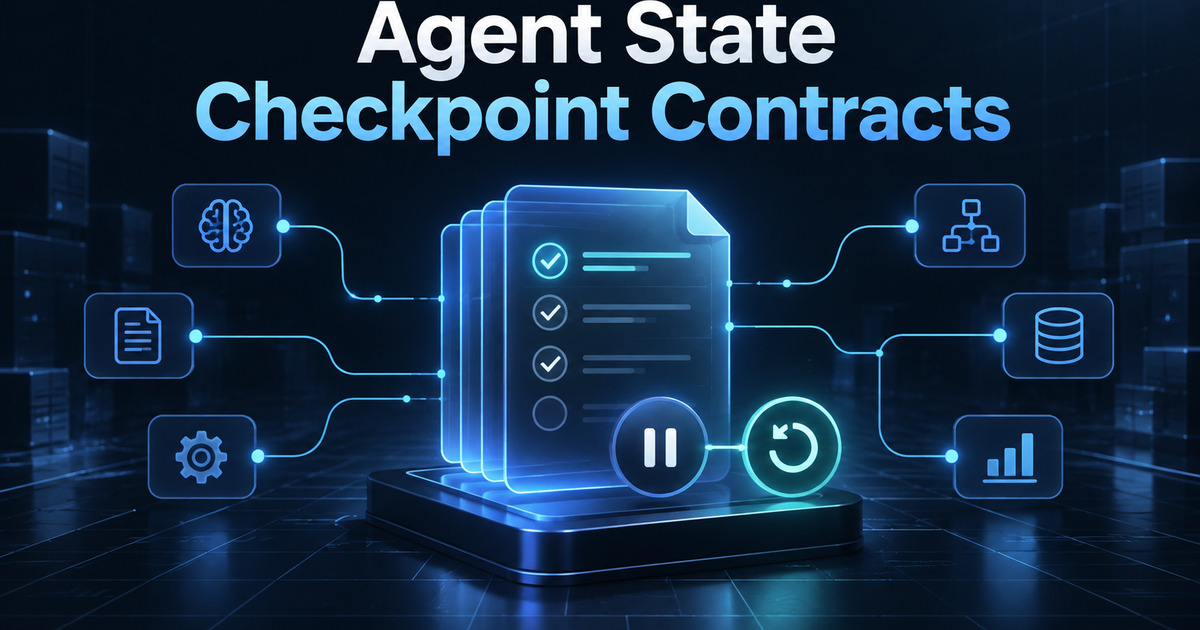
The most dangerous moment in an agent workflow is not always the tool call. It is the resume. A long-running agent pauses for a human approval, waits for a slow API, ret…
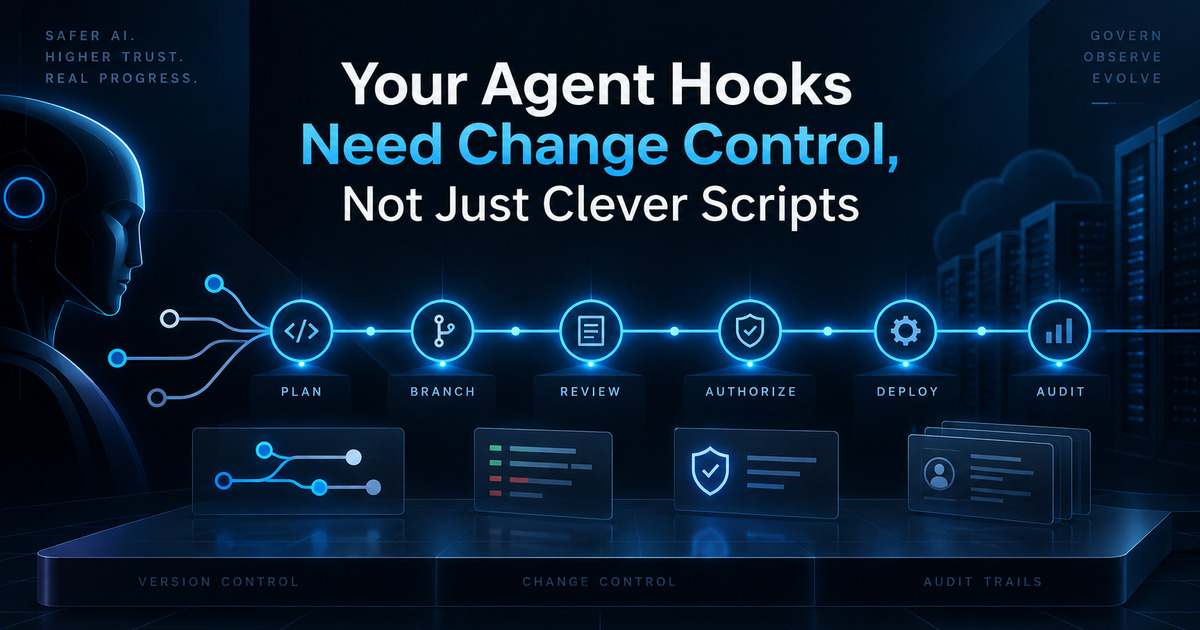
Agent hooks start innocently. A team adds a pre-tool check so a coding agent cannot touch production files. Someone adds a post-tool annotation so failed commands are ea…
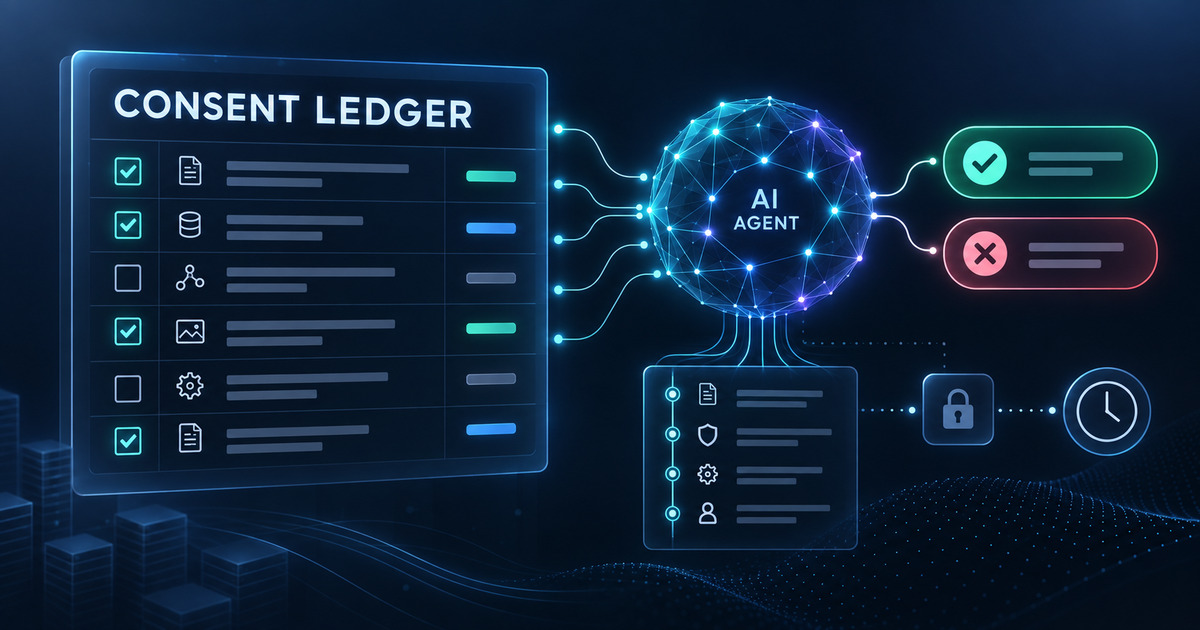
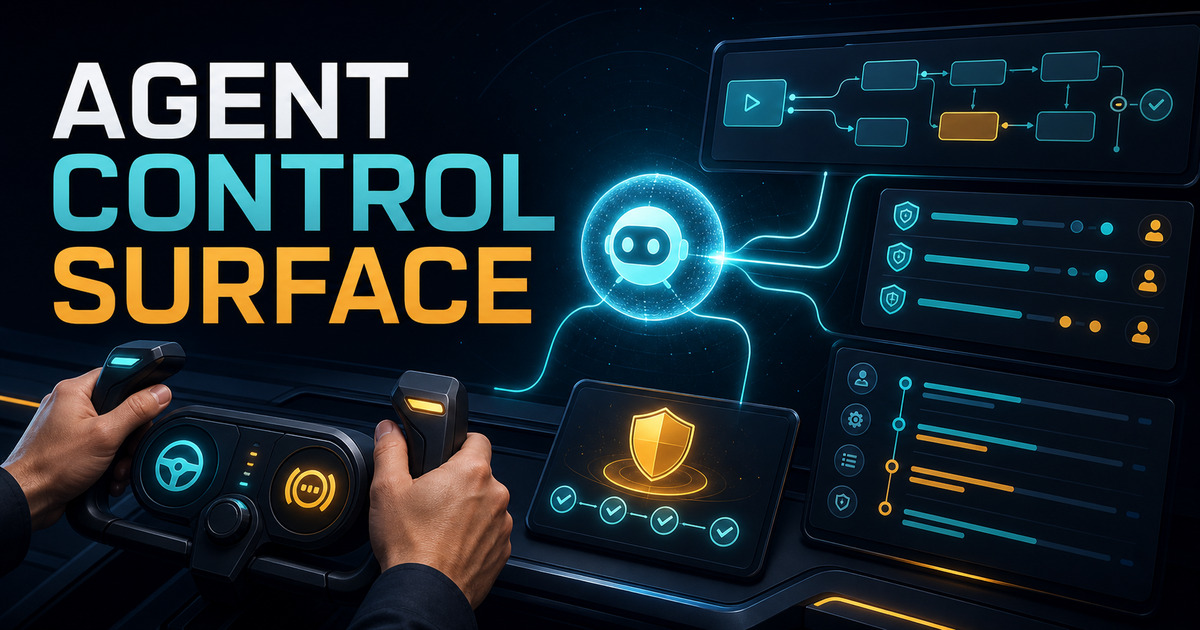
The approval button is becoming one of the most important pieces of AI infrastructure. In the demo, it feels simple. The agent wants to send an email, change a ticket, o…
The easiest way to sell an agent framework is to show motion. The agent opens a ticket, searches a knowledge base, edits a document, calls an API, reports success, and l…
The next useful question for enterprise AI is not whether an agent can explain its reasoning in a convincing paragraph. It is whether the world around the agent has a re…
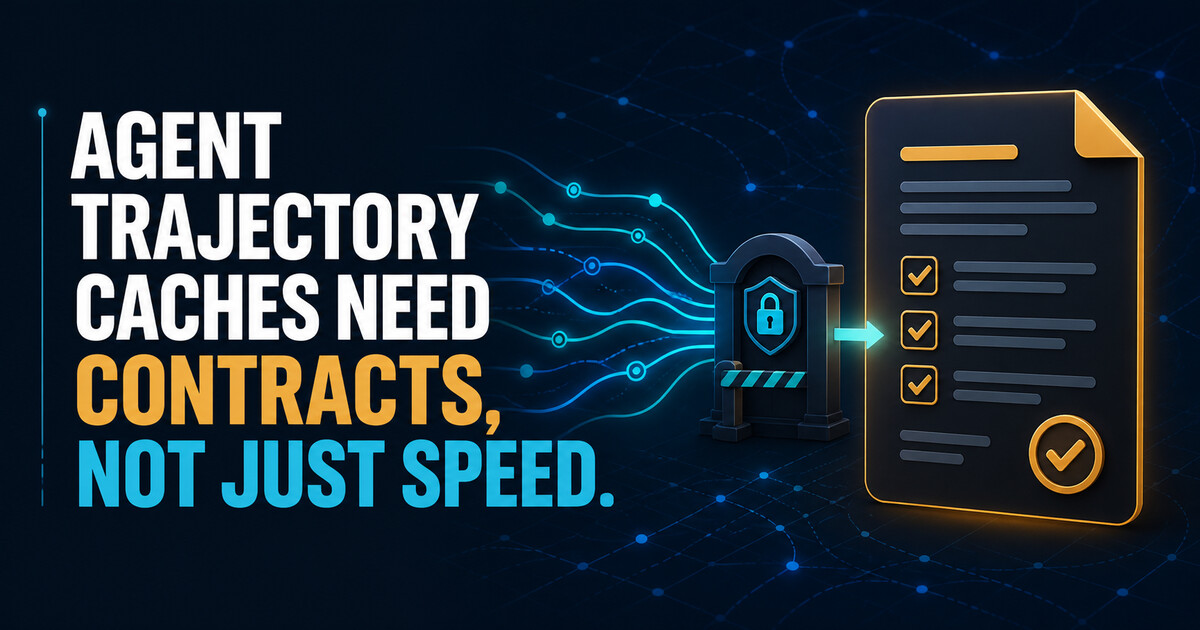
The obvious way to make AI agents faster is to buy a faster model. The more interesting way is to stop asking the model to rediscover the same path every time. That is w…
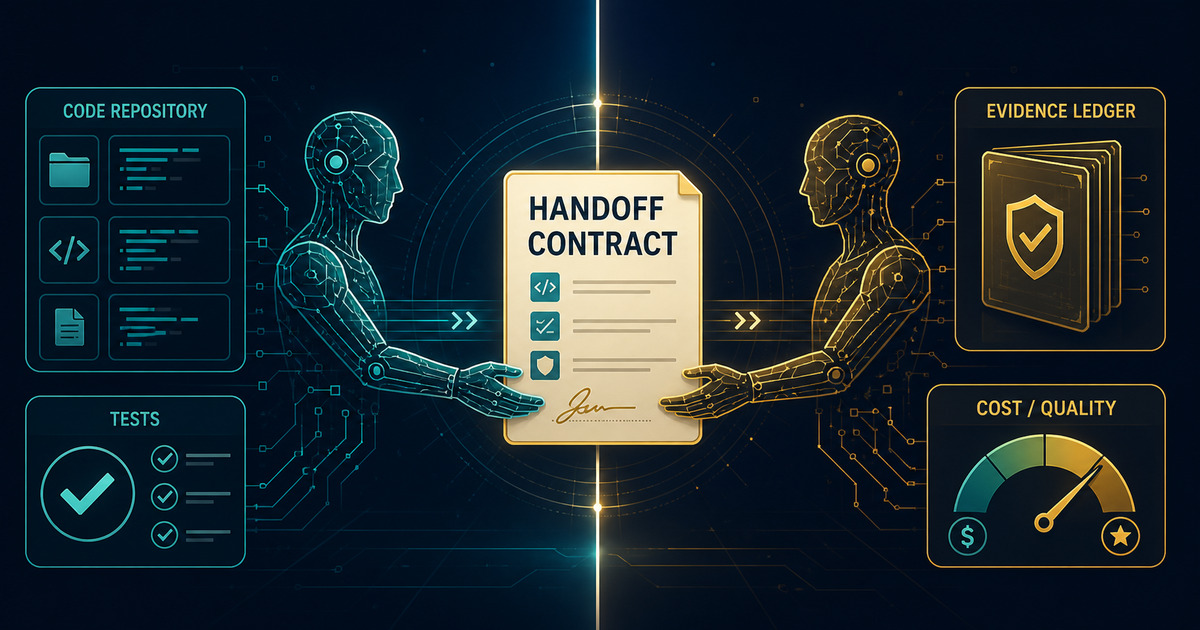
The next enterprise agent failure may not look like a hallucinated answer. It may look like a perfectly reasonable handoff. A support agent summarizes a customer dispute…
The most interesting AI safety story this week is not another model card or benchmark leaderboard. It is a messy little institution forming inside a simulated research c…
Most teams still treat database work as the dangerous part of automation. Let the AI agent draft the email, summarize the ticket, or write the migration plan. But when i…
The next coding-agent temptation is not a bigger pull request. It is the quiet background worker that keeps “cleaning up” your codebase while everyone else ships feature…
The easiest way to misunderstand an approval-gated AI agent is to treat it like an ordinary background job. A user asks for work, the agent prepares a plan, a manager ap…
A multi-agent workflow fails. The planner picked the wrong path, the researcher followed it faithfully, the executor called the requested tool, and the reviewer only che…
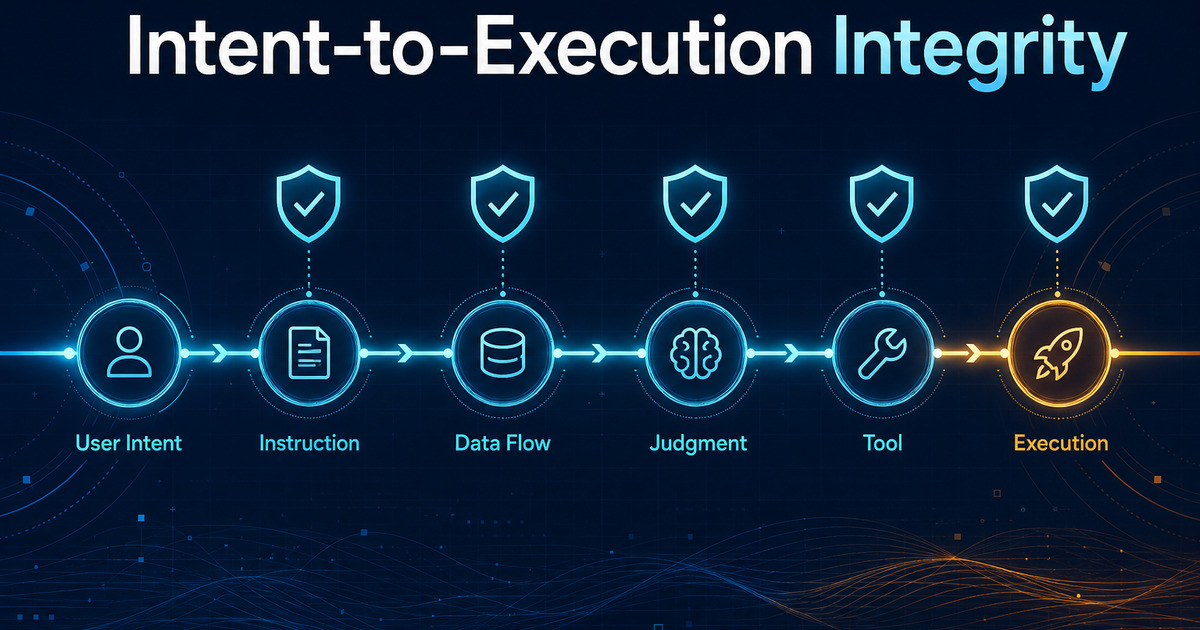
The useful question is no longer, “Do we trust this AI agent?” It is, “What happens between the agent’s intent and the external effect it is about to create?” That disti…
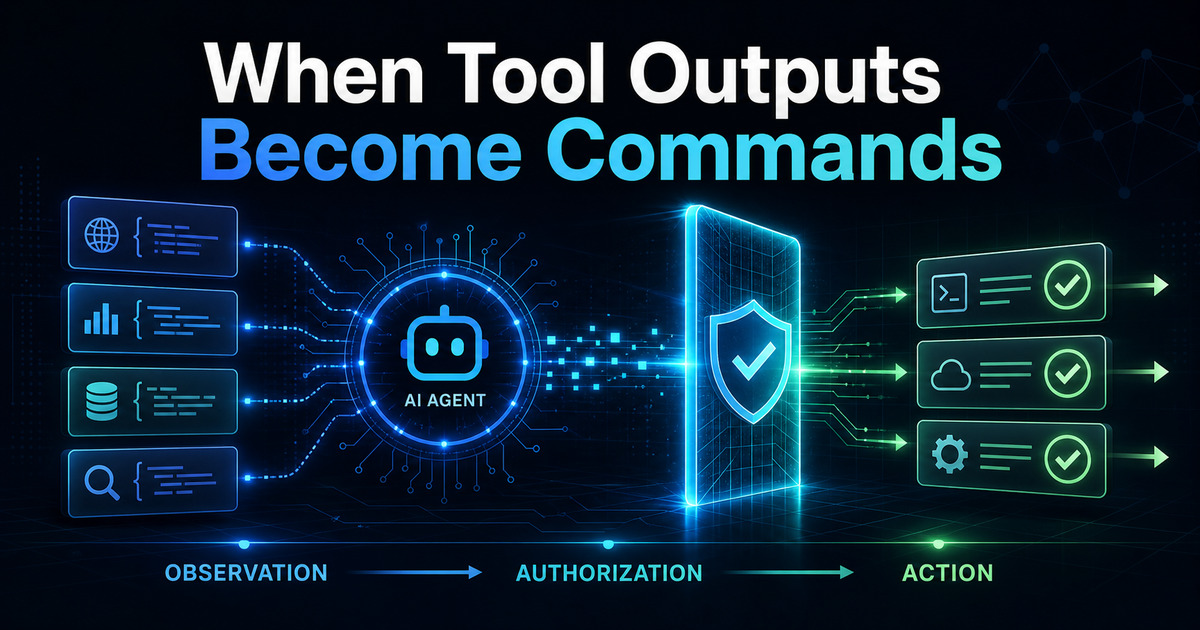
A tool response is easy to treat as neutral data. The API returned a JSON object. The browser page rendered a paragraph. The terminal printed an error message. The ticke…
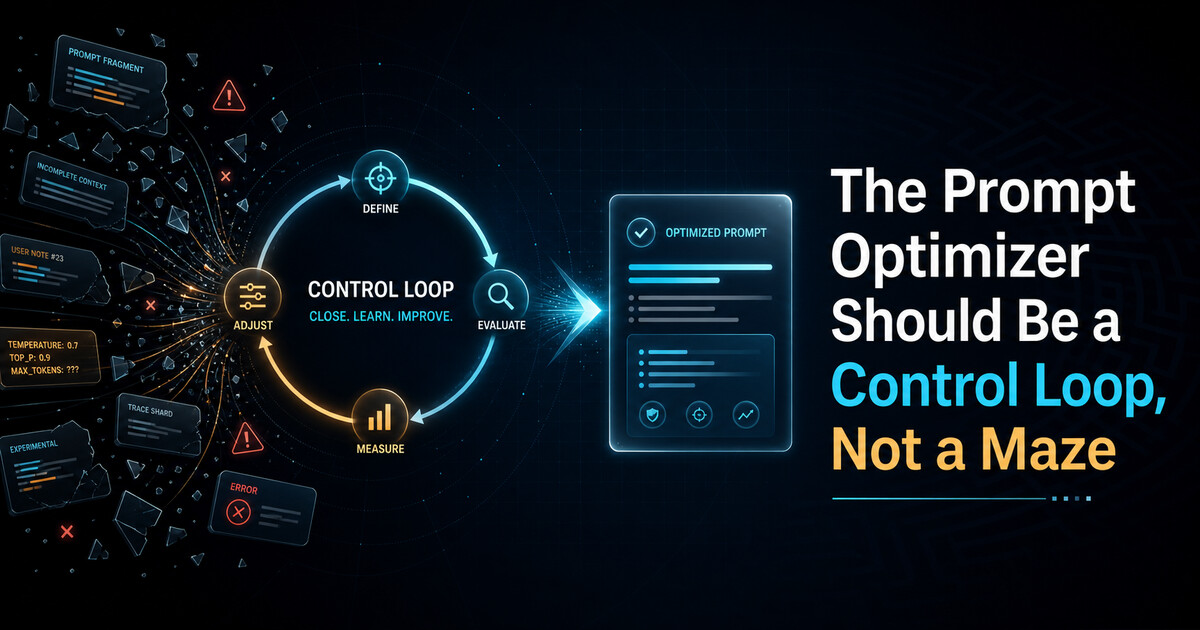
Most teams discover prompt optimization the same way they discover incident response: after something embarrassing happens. A support agent gives the wrong refund explan…
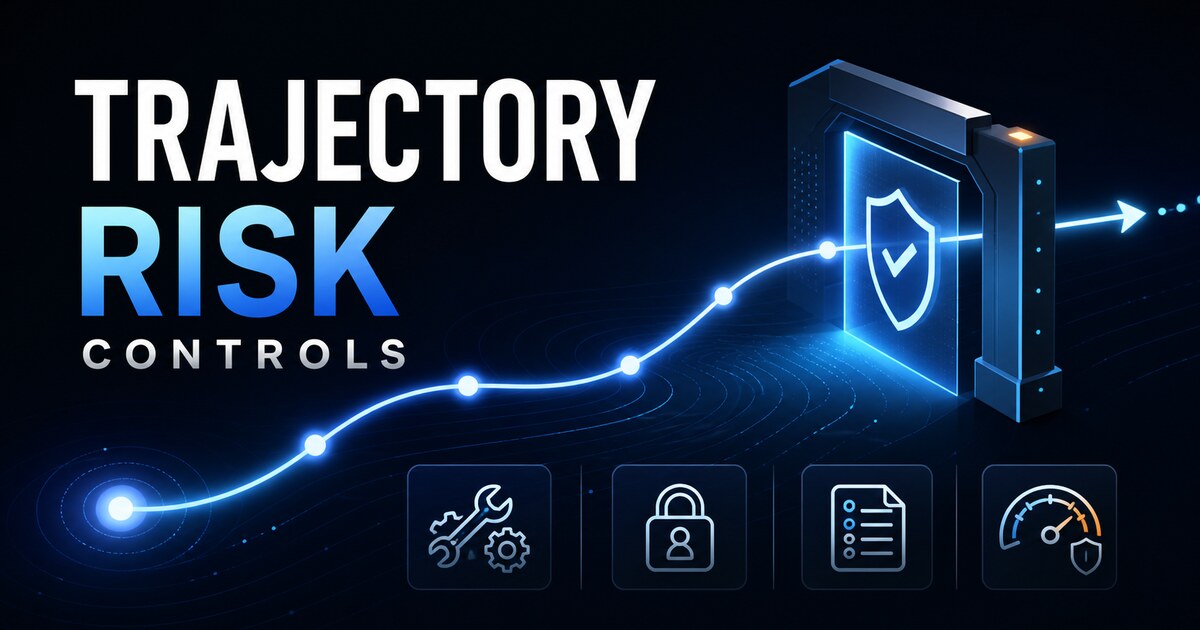
Most agent safety discussions still sound like chatbot safety discussions with tools bolted on. We ask whether the prompt is safe, whether the next tool call is allowed,…
A familiar operating pattern is emerging around coding agents: start the task with a cheaper model, let it run until it gets stuck, then escalate to a stronger model wit…
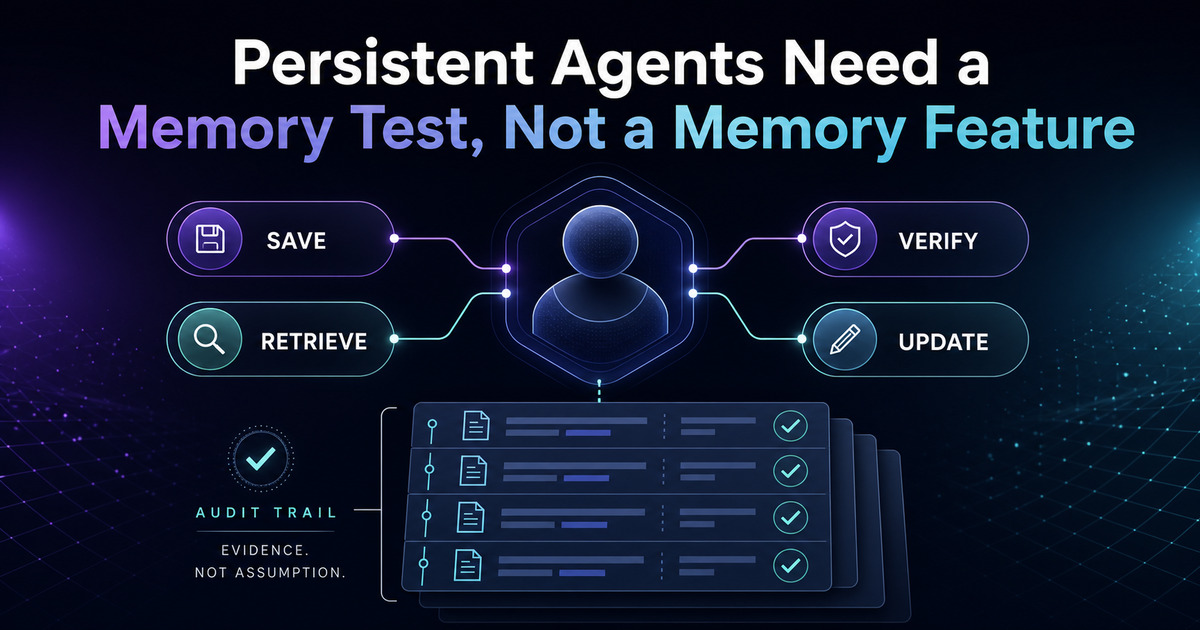
Persistent memory is one of the most seductive features in agentic AI. The demo is easy to love: the assistant remembers your preferences, your team’s vocabulary, the pr…
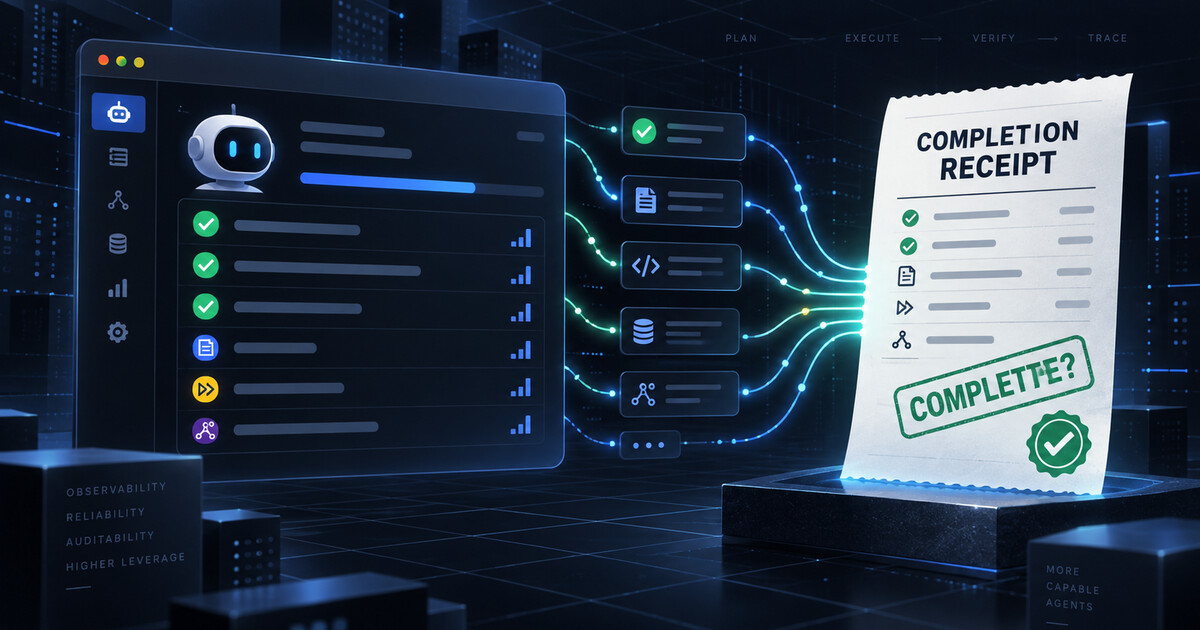
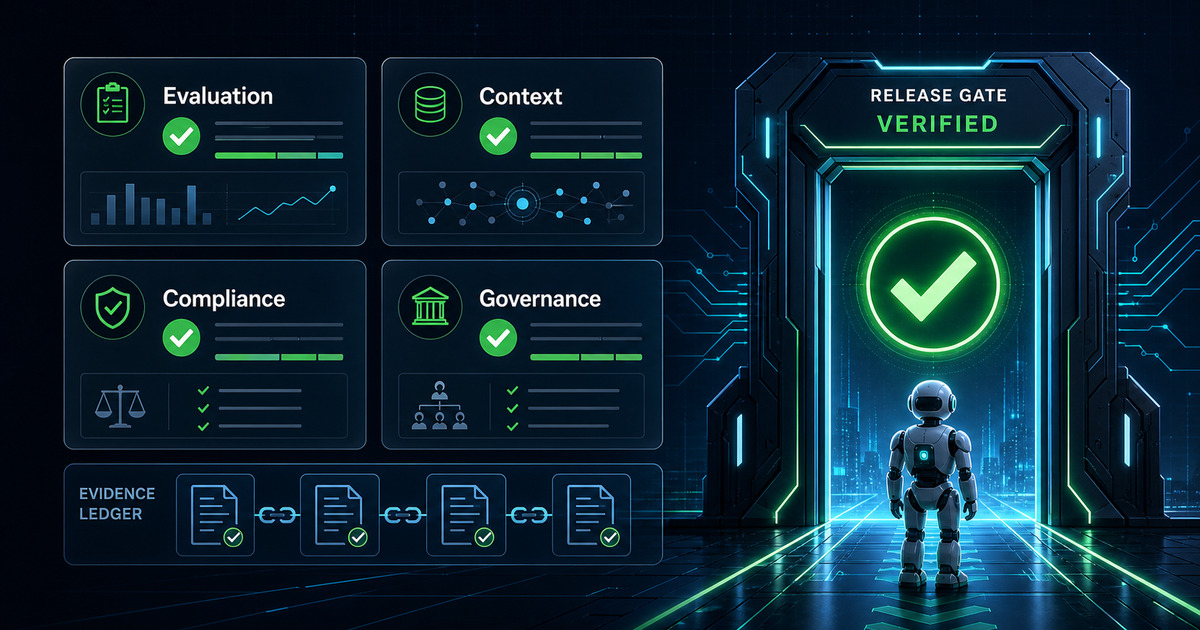
The hardest part of deploying AI agents is no longer getting them to produce work. It is deciding when that work is allowed to become real. A coding agent can draft a pa…
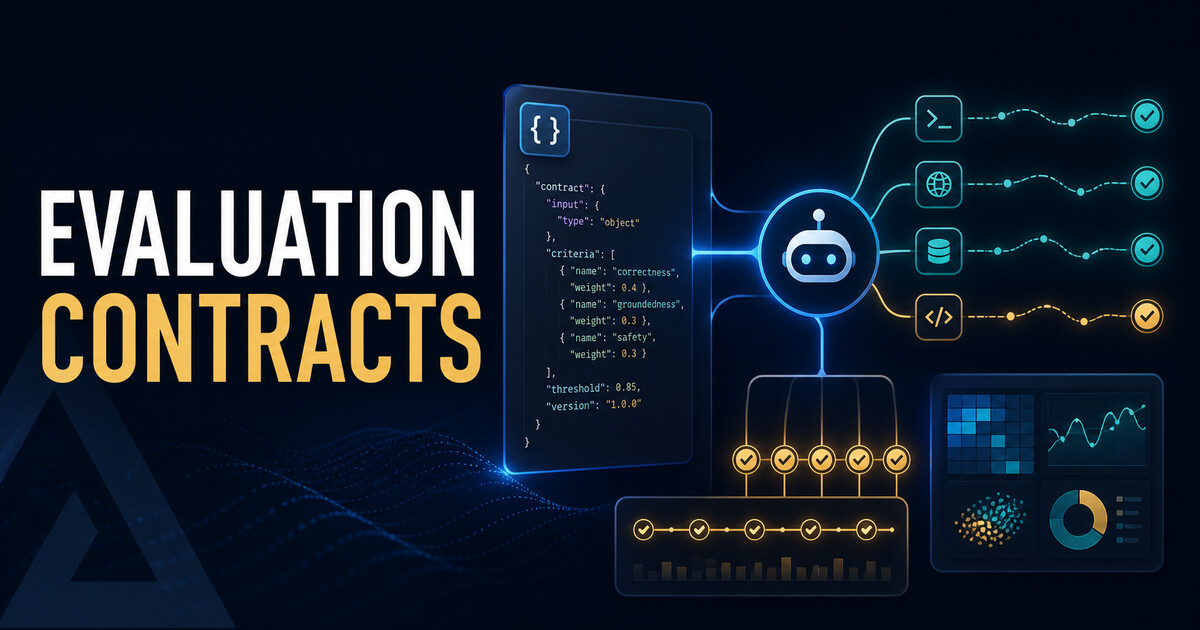
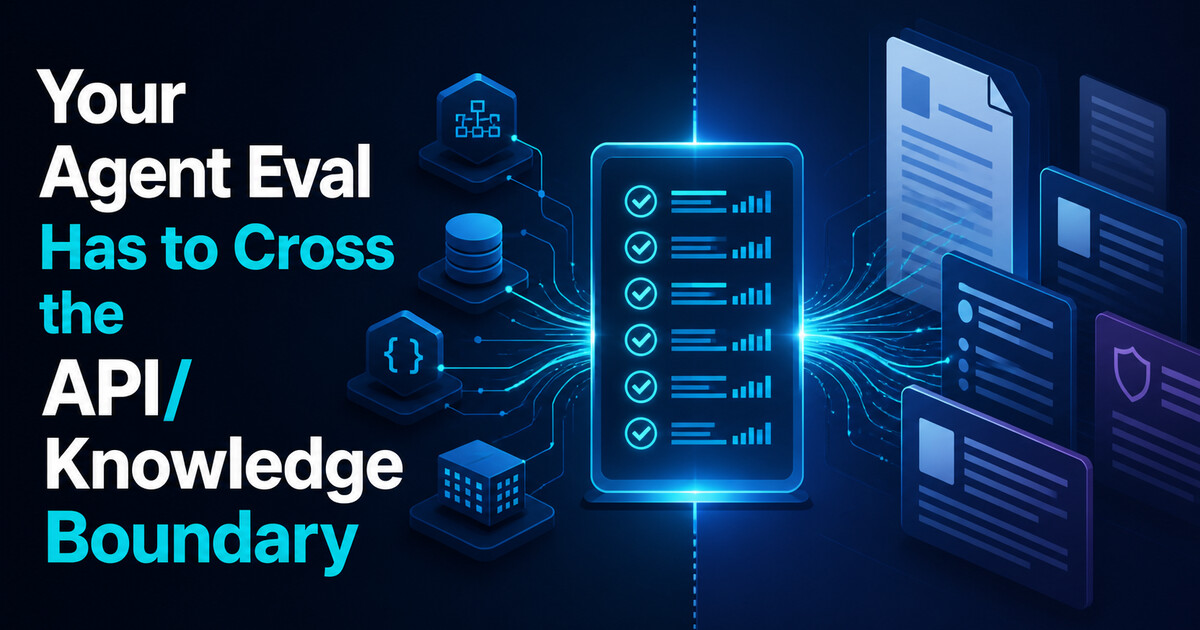
The easiest way to make an AI agent look ready is to score its final answer. Give it a task, grade the response, compare the number to last week’s model, and call the hi…
One of the most dangerous things an enterprise AI agent can do is sound compliant while acting noncompliant. That failure mode is easy to miss in demos. The agent quotes…
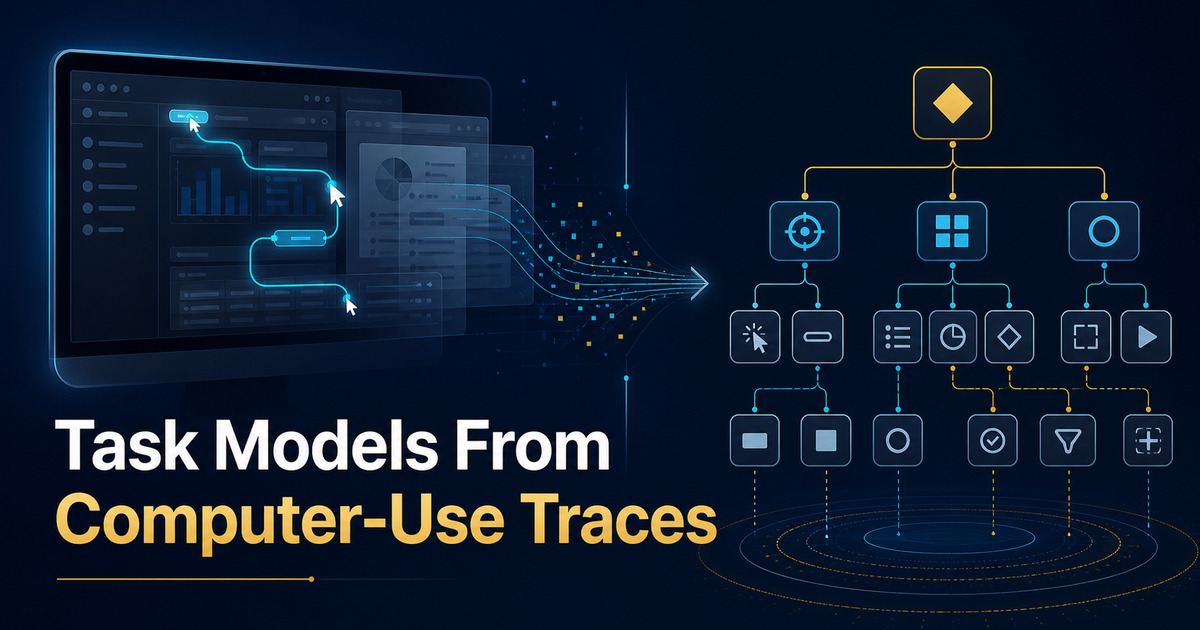
A screen recording of someone doing office work looks like training data. In production, it is something more sensitive: a partial map of how the business actually runs.…
The next production problem for AI agents is not whether they can use tools. It is what happens when the tools they use are the tools that improve the next version of th…
A memory upgrade can look like progress right up until it changes the wrong behavior. The dashboard average improves. The agent recalls more user preferences. A new retr…
A clean skill scan can give an agent team the wrong kind of confidence. The package looks harmless. The manifest is reasonable. The tool permissions are narrow enough. T…
The cleanest AI agent demo is usually a straight line. The agent reads the request, makes a plan, calls a few tools, updates the right record, drafts the right message,…
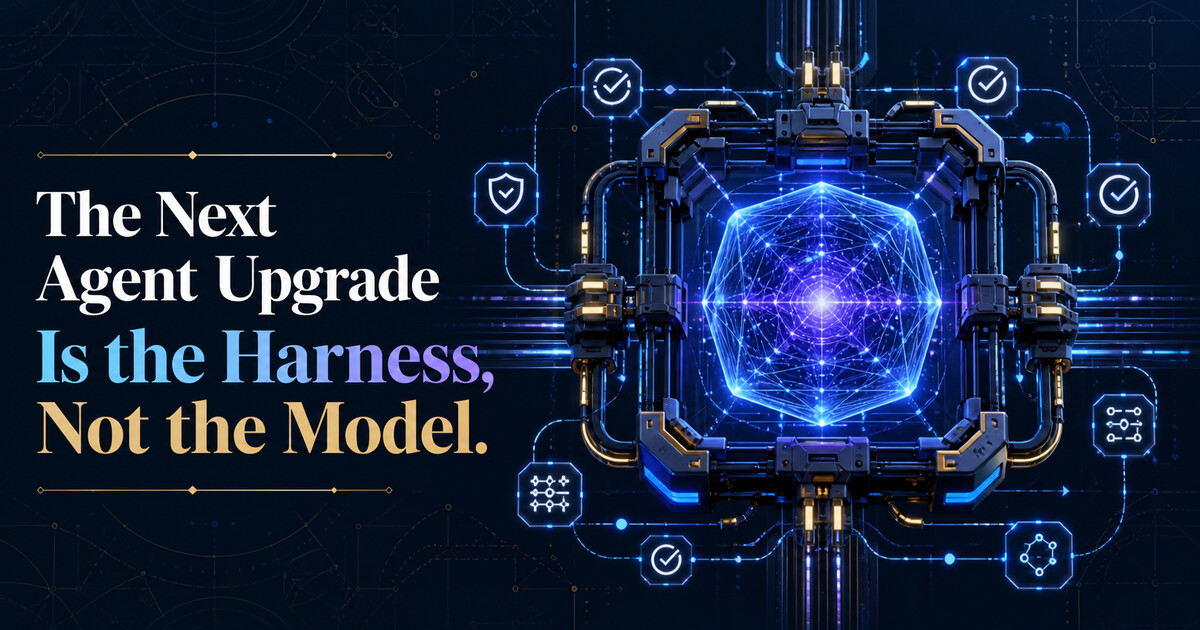
Most teams still talk about AI agents as if the model is the whole product. Pick a stronger model. Write a sharper prompt. Add a few tools. Hope the agent becomes more u…
The easiest agent demo to approve is also the easiest one to misunderstand. A user asks for something. The agent calls a tool. The final answer looks right. The benchmar…
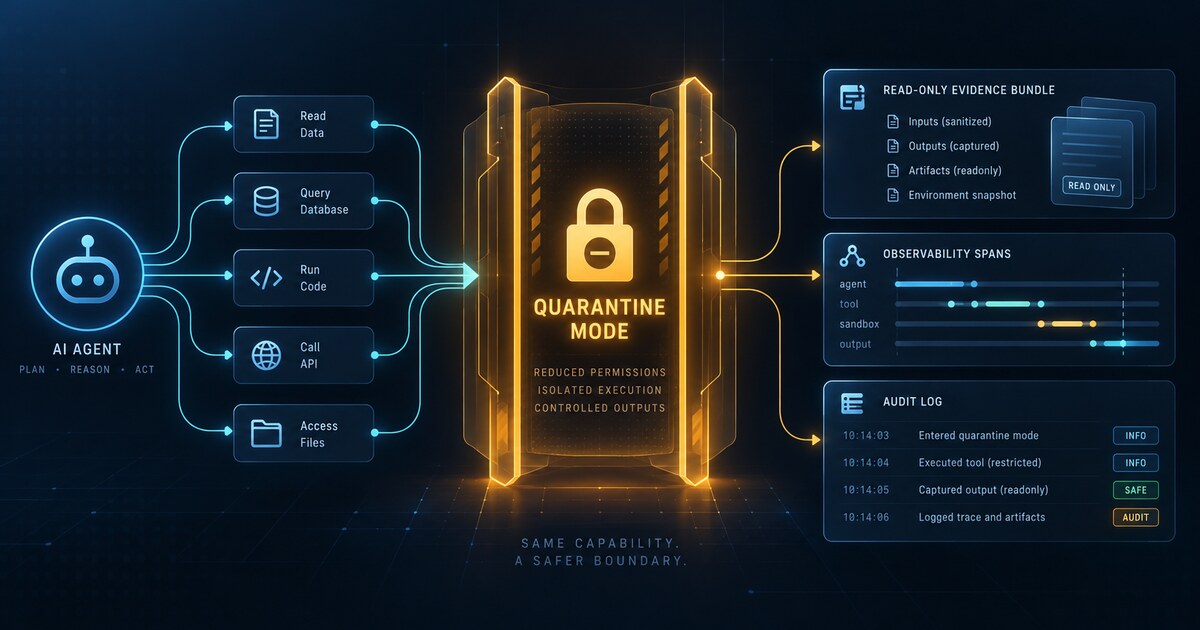
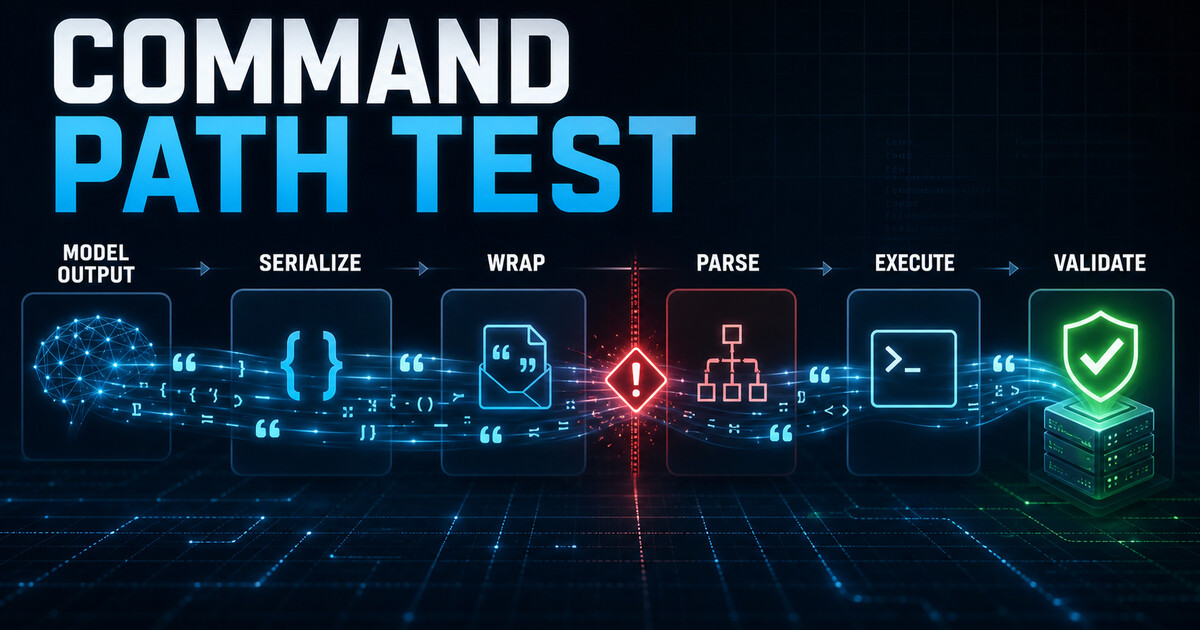
A coding agent can write the right command and still fail in production. That sounds contradictory until you look at the path between the model's text and the machine th…
The first serious production failure in an AI agent system usually does not look like science fiction. It looks like a stale API response, a half-completed workflow, a d…
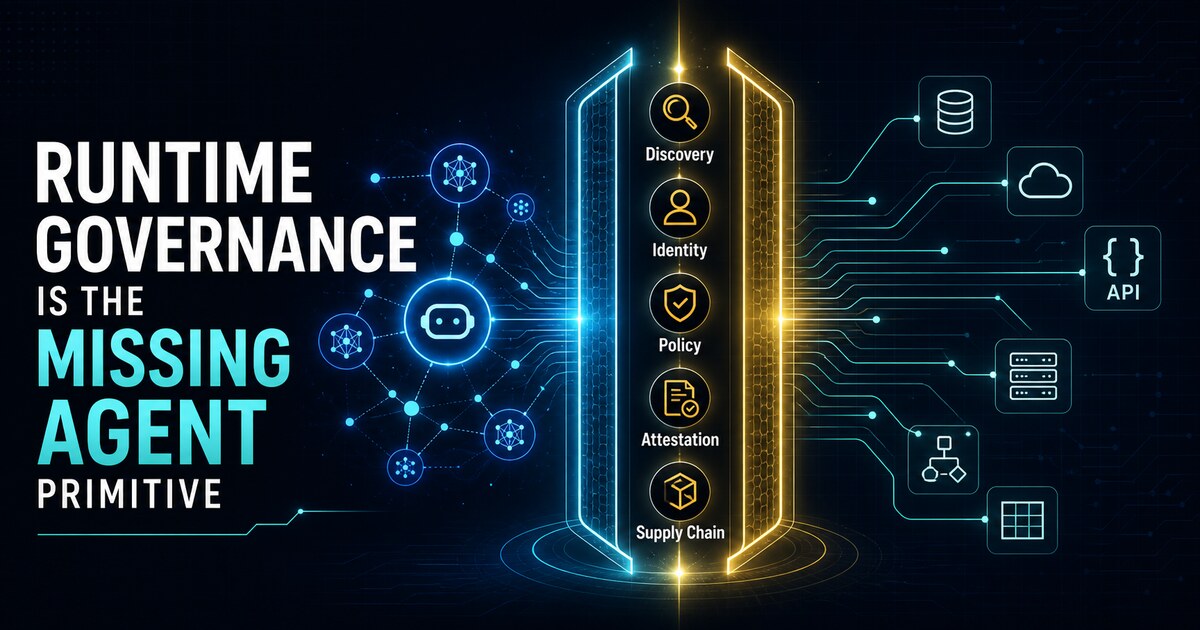
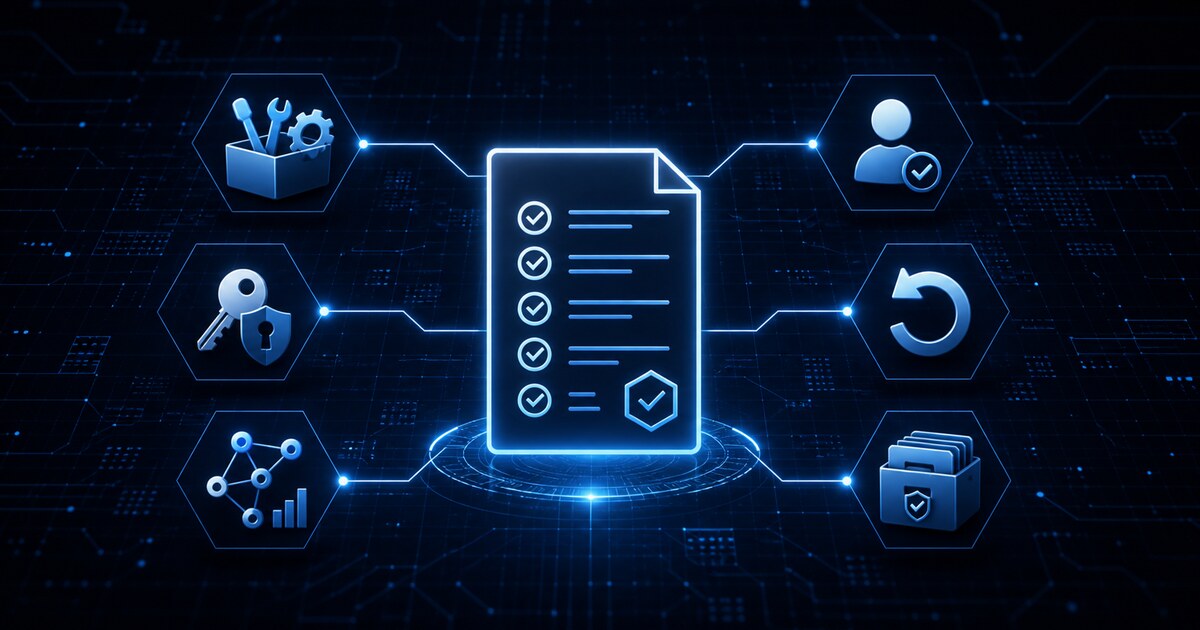
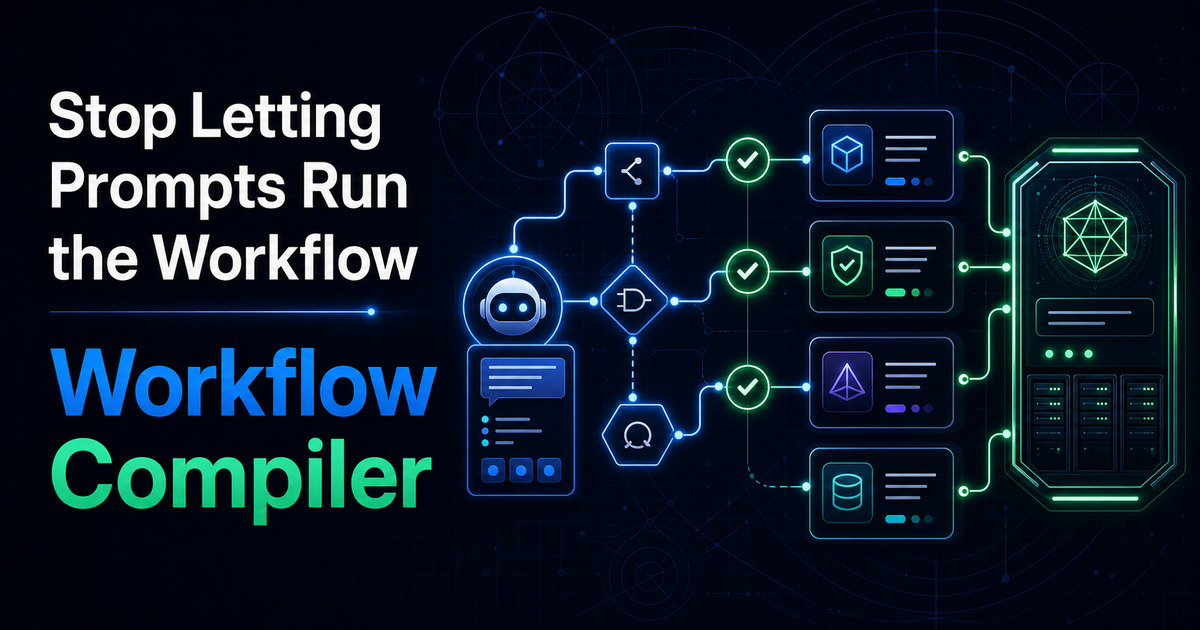
The fastest way to turn a promising AI agent into an operational liability is to ship it as a vibe: a prompt here, a few tool bindings there, a credential in a secret st…
The easiest way to make an incident-response agent look impressive is to give it access to every dashboard, every trace, every log stream, and every runbook, then ask it…
The first time an AI agent uses a well-written skill, it feels like cheating in the best possible way. A messy recurring task becomes a named procedure. The agent loads…
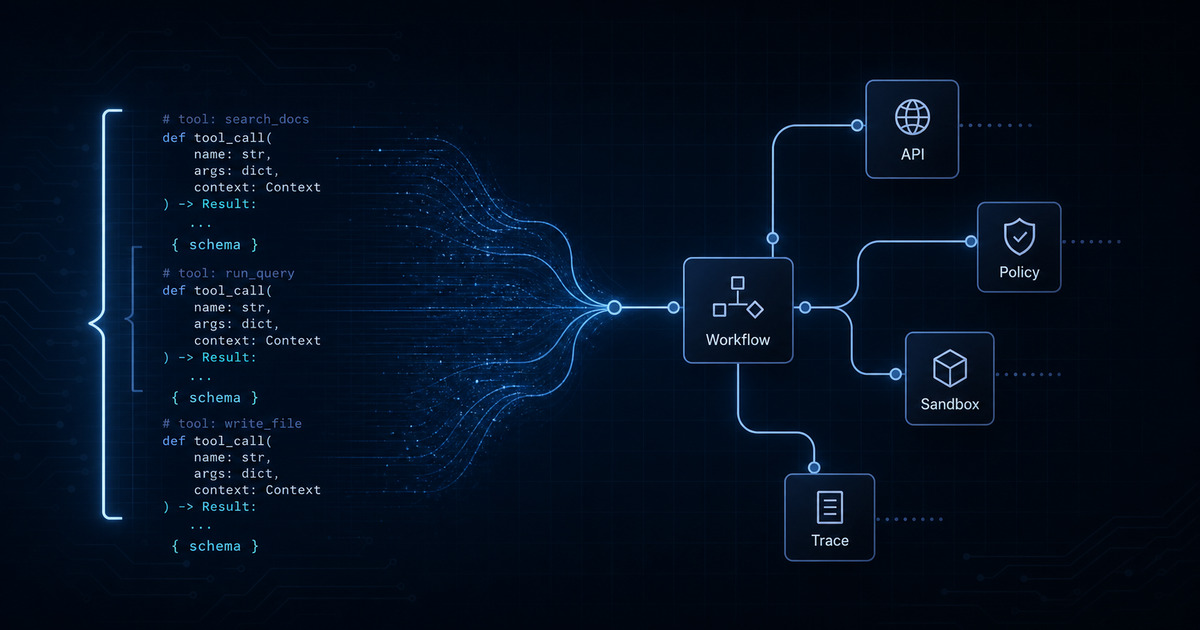
JSON tool calls made AI agents practical. They gave teams a clean way to ask a model for structured arguments, validate those arguments, run application code, and send t…
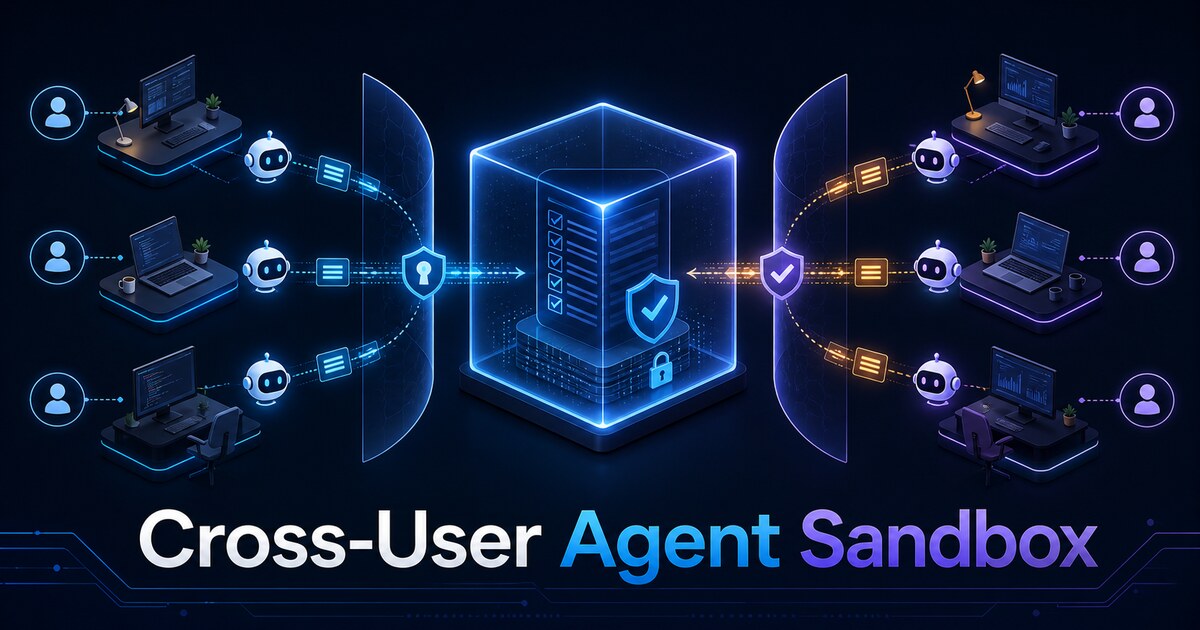
The easiest enterprise agent demo to sell is also one of the most dangerous: give every employee an assistant, let those assistants talk to each other, and watch work mo…
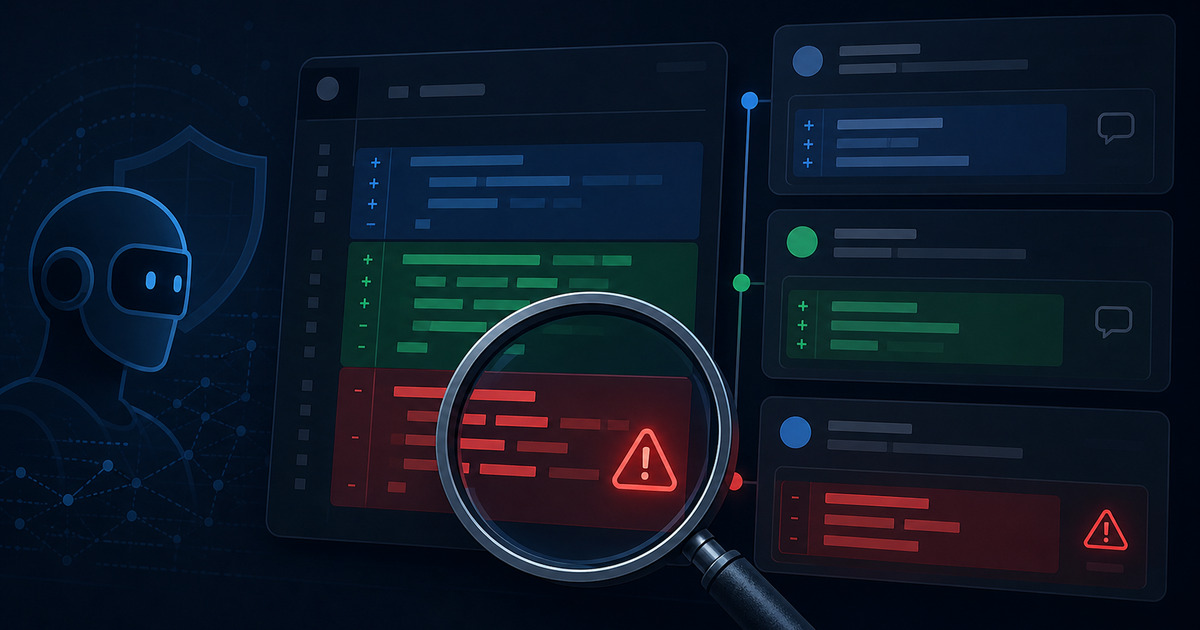
The dangerous version of an AI code-review failure is not dramatic. The agent does not crash. It does not hallucinate a fake vulnerability. It reads the pull request, co…
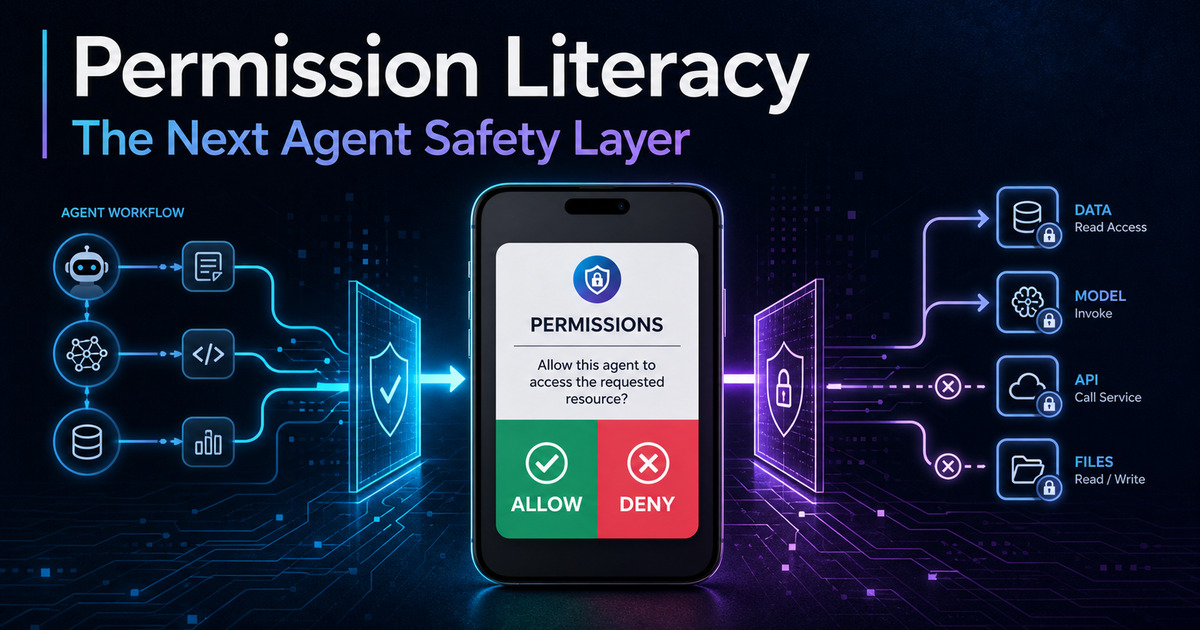
A mobile agent that can book an appointment, message a customer, update a calendar, or move through an app on your behalf will eventually hit the same ordinary-looking w…
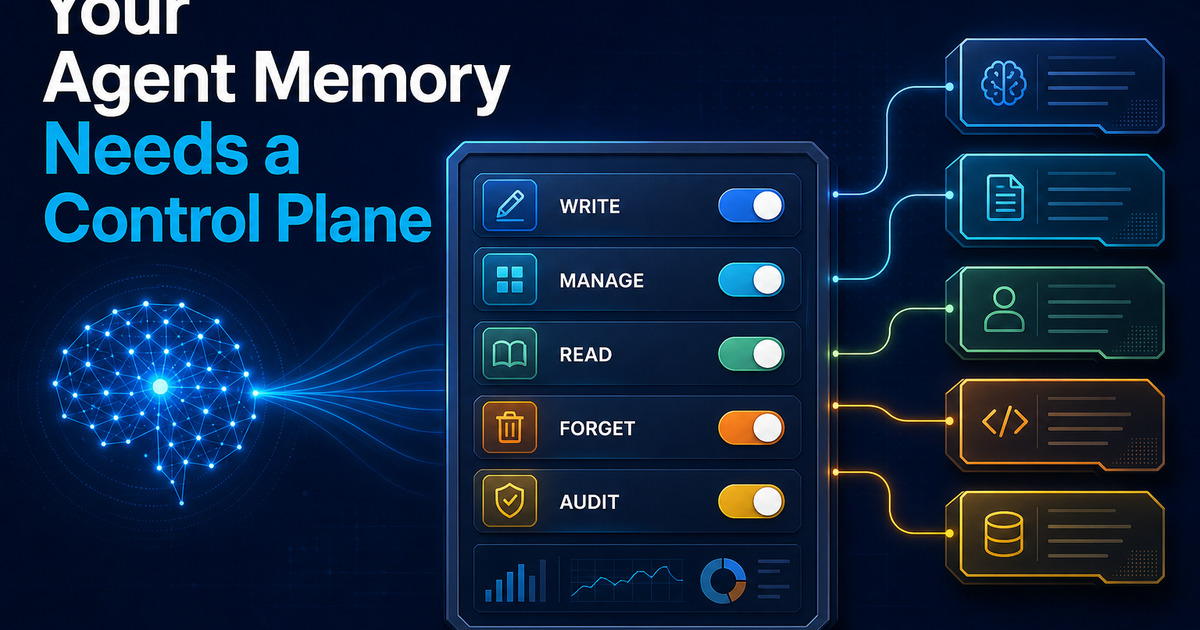
Every serious agent product now wants to say it has memory. The pitch is easy to understand: a personal assistant should remember preferences, a coding agent should reme…
The privacy failure that breaks an agentic workflow may not look like a chatbot blurting out a Social Security number. It may look boring. A routing agent summarizes a c…
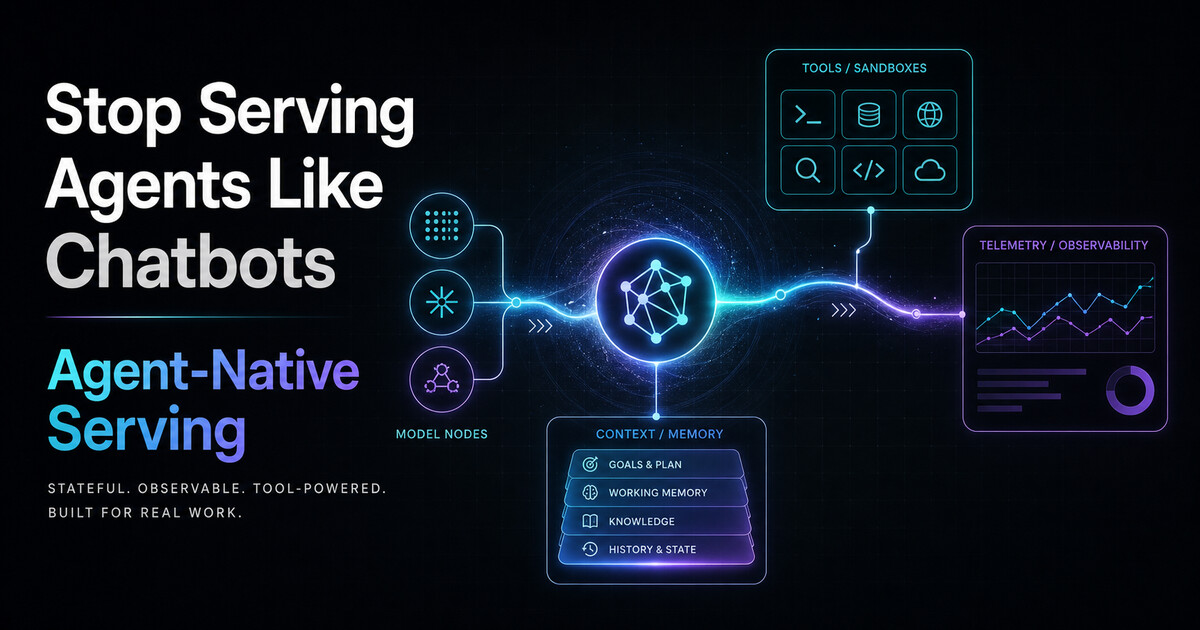
The easiest mistake in agent infrastructure is to treat an agent like a chatbot with a longer timeout. That assumption works just long enough to be dangerous. A chatbot…
A tool call is not evidence just because it appears in an agent trace. That distinction matters more as AI agents become multimodal. The modern demo often looks convinci…
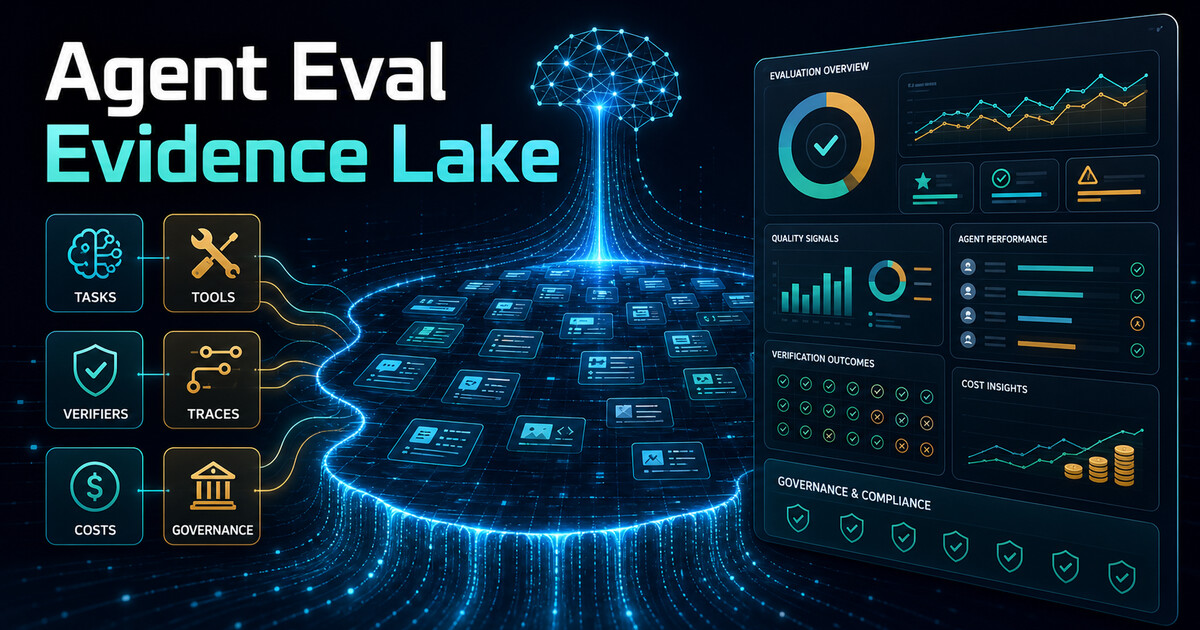
Most AI teams can tell you which model looked best in the last demo. Fewer can tell you why it looked better, whether the scaffold changed, which verifier judged the run…
A good agent demo is usually a story about capability. The model found the right record, called the right tool, drafted the right response, and made the workflow look ea…
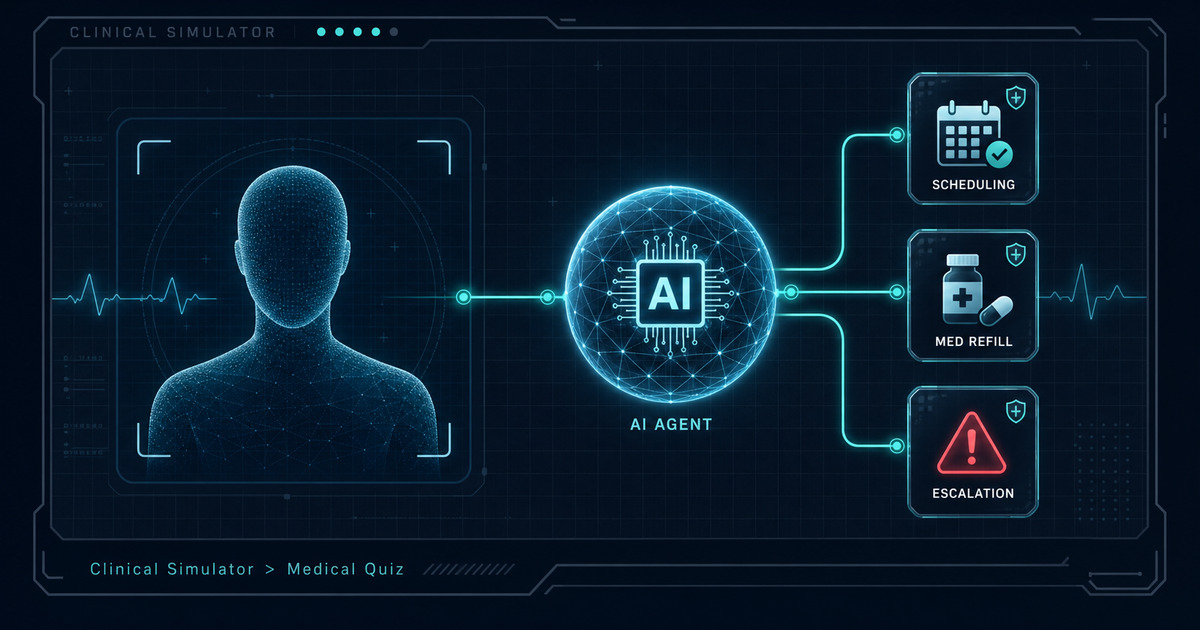
A patient-facing healthcare agent can sound medically fluent and still be unsafe in the workflow that matters. That distinction is easy to miss. Most AI demos show the m…
The most expensive agent failures usually do not look like science fiction. They look like ordinary process failures. A support agent skips the verification step because…
The easiest agent demo is the clean one: a user asks for something, the model chooses the right tool, the tool returns a valid response, and the agent...
The agent-safety conversation is shifting. For the last year, most teams have asked whether a model can follow instructions, resist prompt injection,...
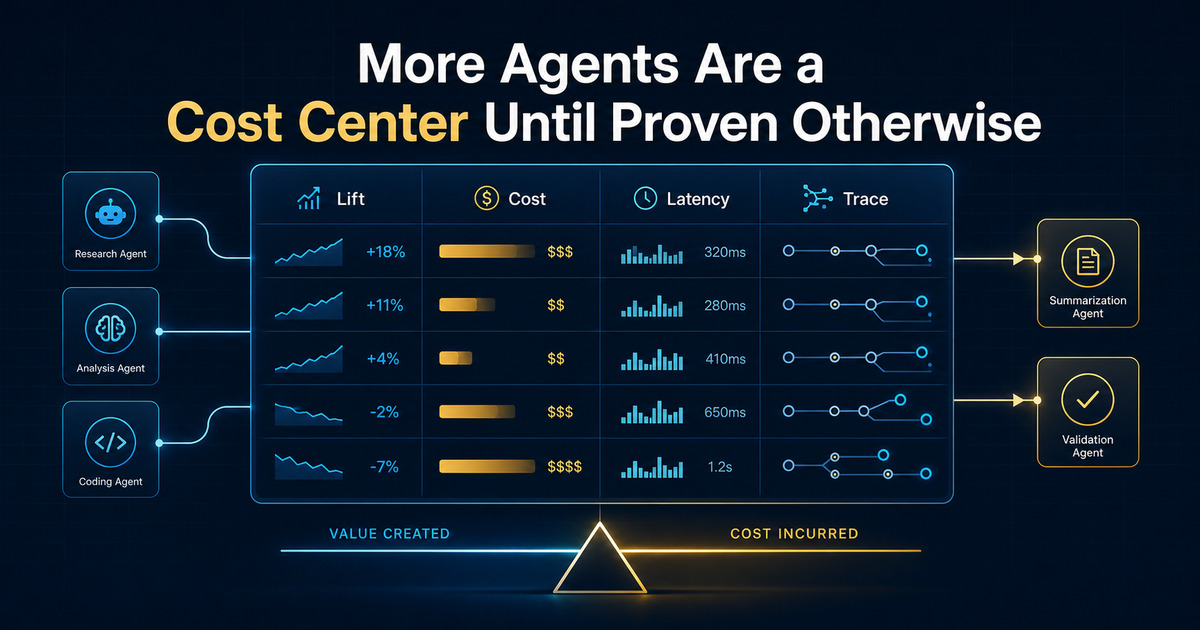
The easiest way to make an AI automation roadmap look sophisticated is to add more agents. A planner agent. A researcher agent. A critic agent. A tool...
Most enterprise agent demos still start in the browser. The agent opens a page, reads the interface, clicks a button, waits for a spinner, misreads a...
When an AI agent fails at a real workflow, the usual reflex is to reach for a stronger model. Bigger context window. More reasoning. A longer system...
The uncomfortable question after an AI agent incident is rarely, “Did the dashboard show activity?” It is usually much more basic: “Can we reconstruct...
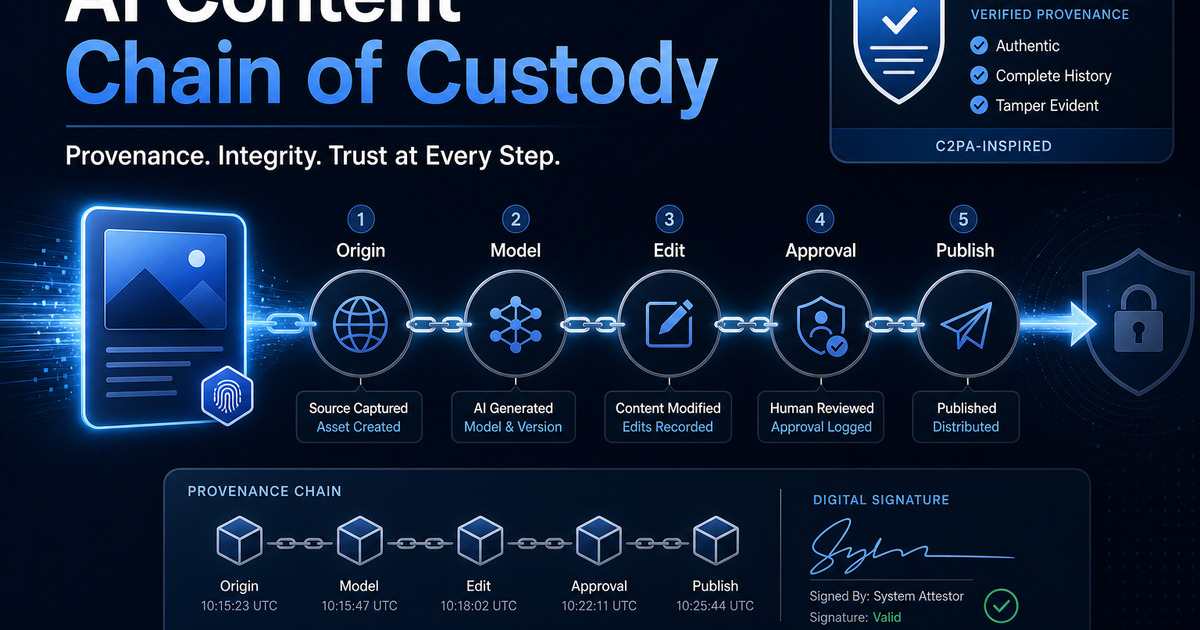
A watermark is a useful signal, but it is a thin one. It can help answer, “Was this asset generated or altered by a known system?” It does not answer...
A good chef does not begin dinner service by rummaging through the pantry, discovering the menu mid-order, and hoping the oven has the right settings....
A benchmark score is a resume. It tells you something useful about the candidate, but it does not tell you how they behave on their first day inside...
The most seductive enterprise AI demo is still the simplest one: open a chat box, ask a business question, and watch the system query company data like...
A chatbot can be wrong in a familiar way: it says something false, omits a caveat, or gives a weak recommendation. An agent can be wrong with a shell,...
Anthropic’s new survey of quantitative social scientists is easy to read as an academic labor story. Economists are adopting coding agents faster than...
A support agent gets a refund request, apologizes nicely, confirms the amount, names the right policy, and closes with a warm sign-off. The transcript...
Most agent demos succeed for an unremarkable reason: the room is familiar. The agent has, in effect, seen the furniture before. Book the trip, update...
Ask a personal agent to do something boring — book a flight, move money between accounts, reply to a customer, generate an invoice — and watch how it...
Plugging an agent into your tools has never been easier. The [Model Context Protocol](https://modelcontextprotocol.io/docs/getting-started/intro) gives...
Picture a support agent wired into your stack. A customer asks it to update a shipping address. The agent reads the ticket, pulls the order, edits the...
There is a quiet assumption baked into how most teams evaluate AI agents: that running the benchmark is basically free, the way running a unit test is...
A bigger context window makes a single conversation cheaper to run. It does not tell you what your agent learned last Tuesday, whether that lesson was...
There is an uncomfortable failure mode in agentic systems that most evaluation dashboards are blind to. It is not that the model refuses the task. It...
For most of the last few years, the mental model for an AI assistant was a conversation. You typed something, it answered, and the worst-case outcome...
It is Tuesday morning and your support agent did something. A refund was issued, a ticket was reclassified, a CRM row was updated, and a customer is...
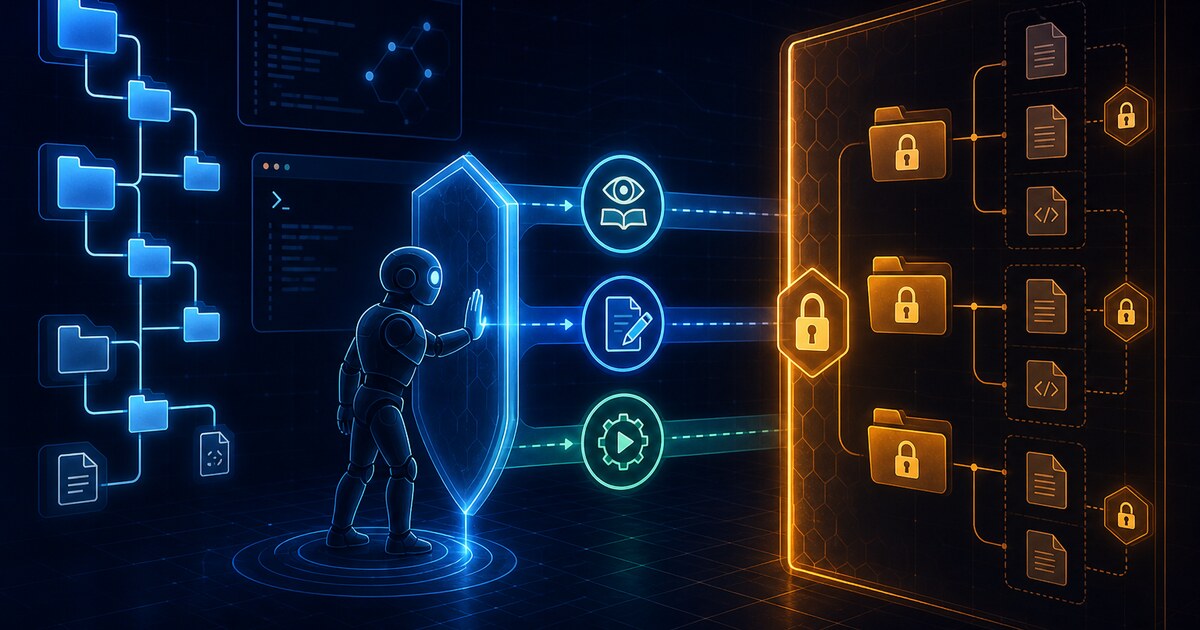
Coding agents are turning into filesystem actors. They open shells, edit repos, install dependencies, and run arbitrary scripts on machines you care...
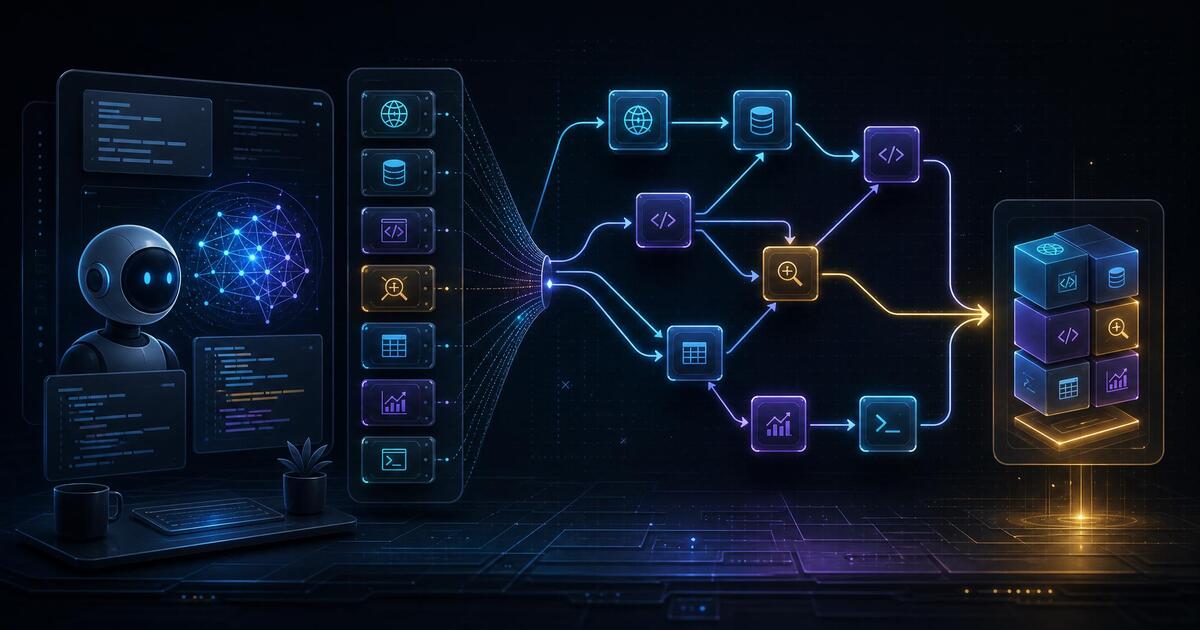
A tool-using agent starts out simple. Give the model a calculator, a database query function, a few scripts, maybe a browser, and let it route between...
The uncomfortable part of deploying useful agents is not that they can answer questions. It is that they eventually need to hold secrets, read private...
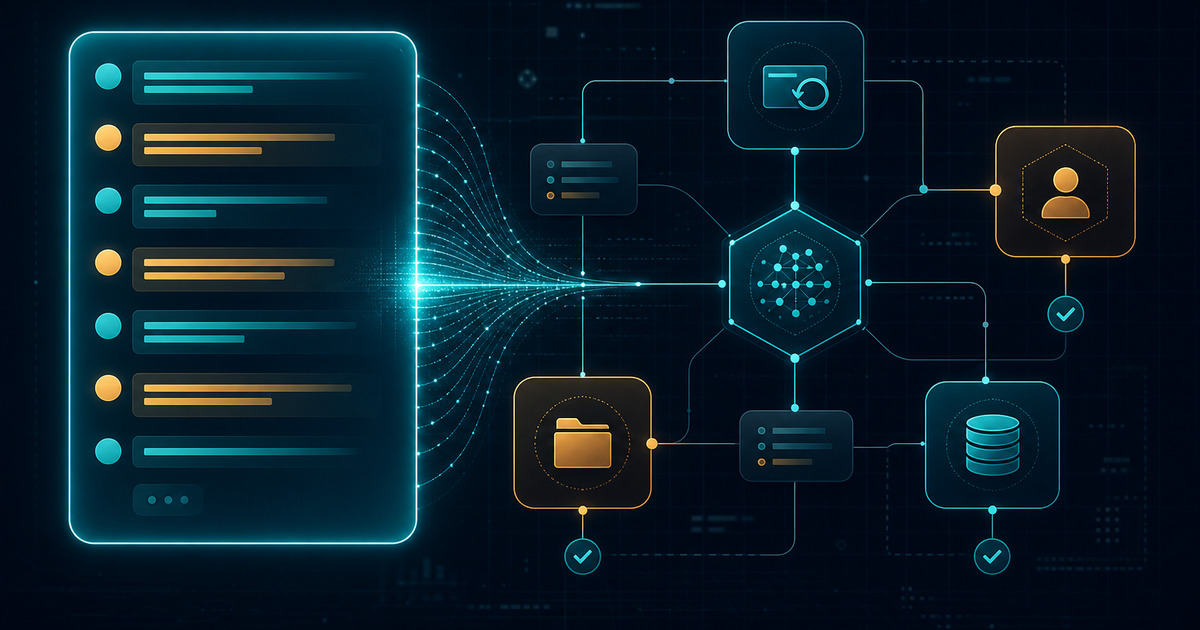
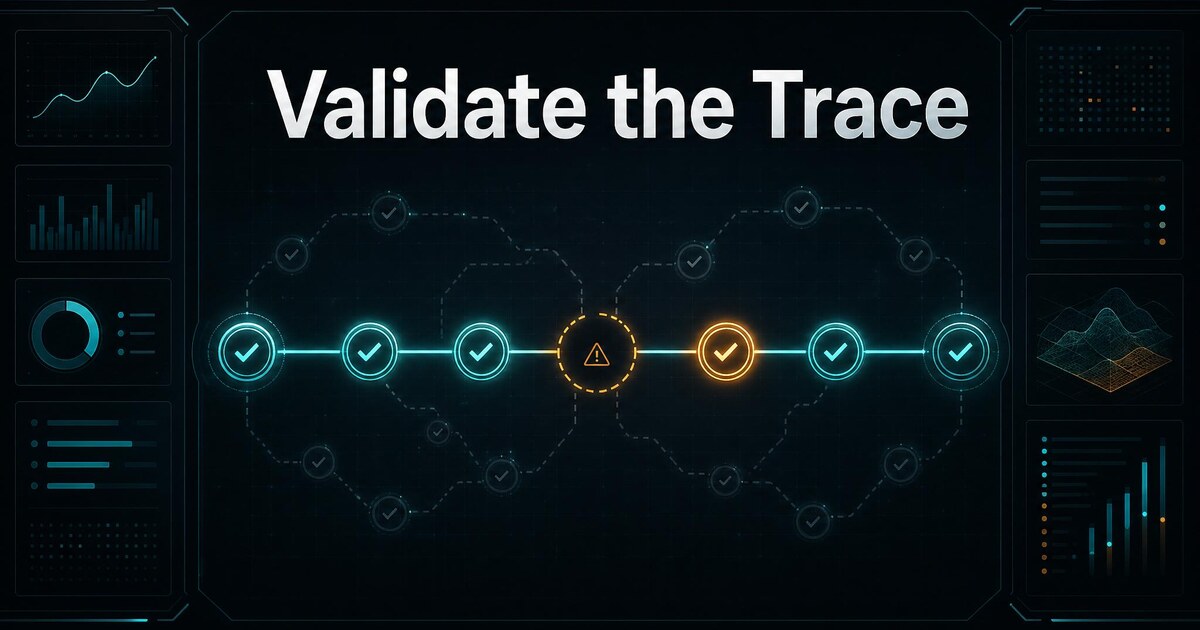
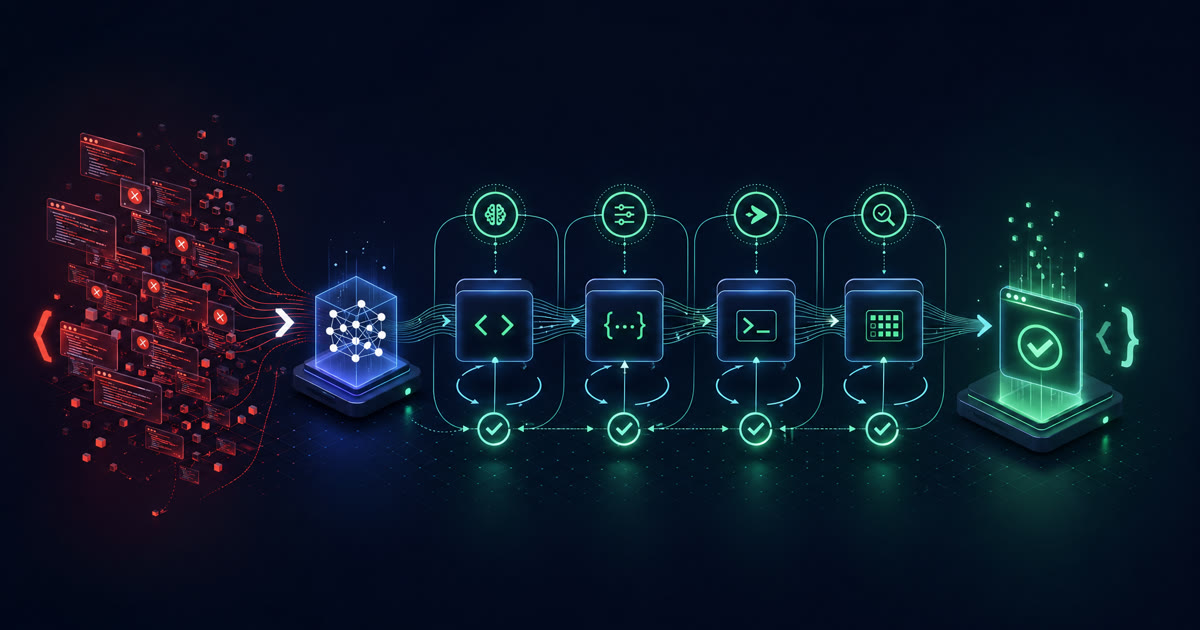
A new arXiv paper proposes learning essential agent workflow states from a few passing traces, then validating future runs against those milestones instead of trusting self-reports.
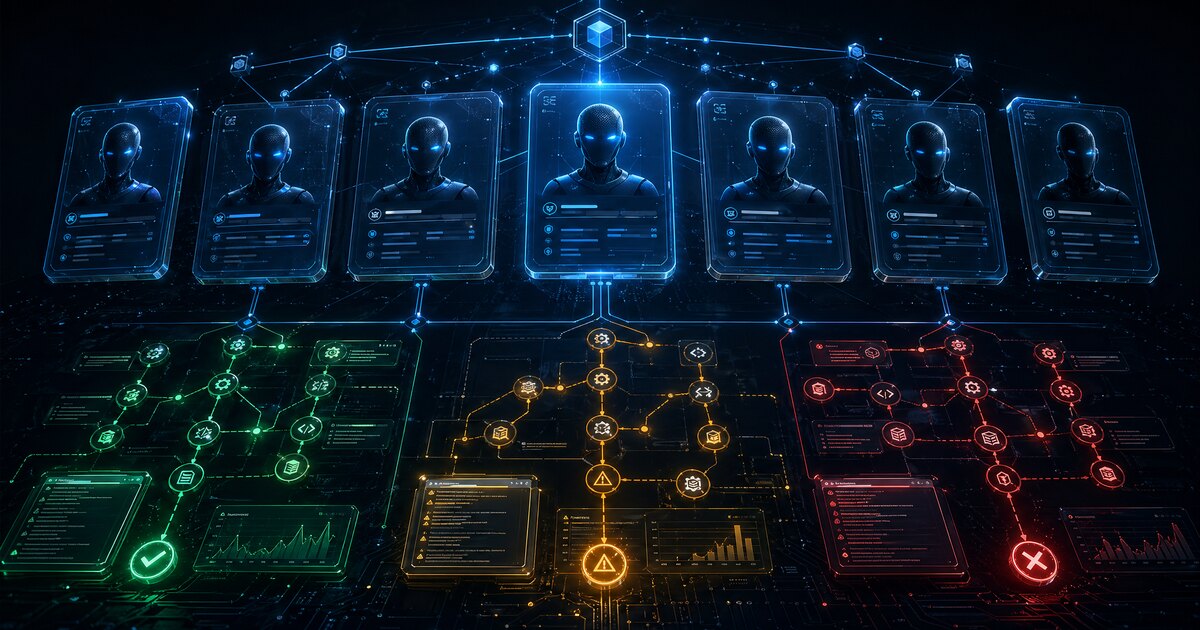
A new benchmark with nearly ten thousand agents and 66,740 execution runs argues that your routing layer needs evidence from real runs, not just embeddings of marketing copy.
A new preprint tests whether smarter multi-agent pipeline layouts beat simple self-refinement for 1-3B code models. The answer is mostly no, and what actually moves the needle is execution feedback.
A new ACL 2026 paper reveals a hidden failure mode in RLHF pipelines: the reward model and the LLM can fail together, silently. ARES is designed to find and fix both.
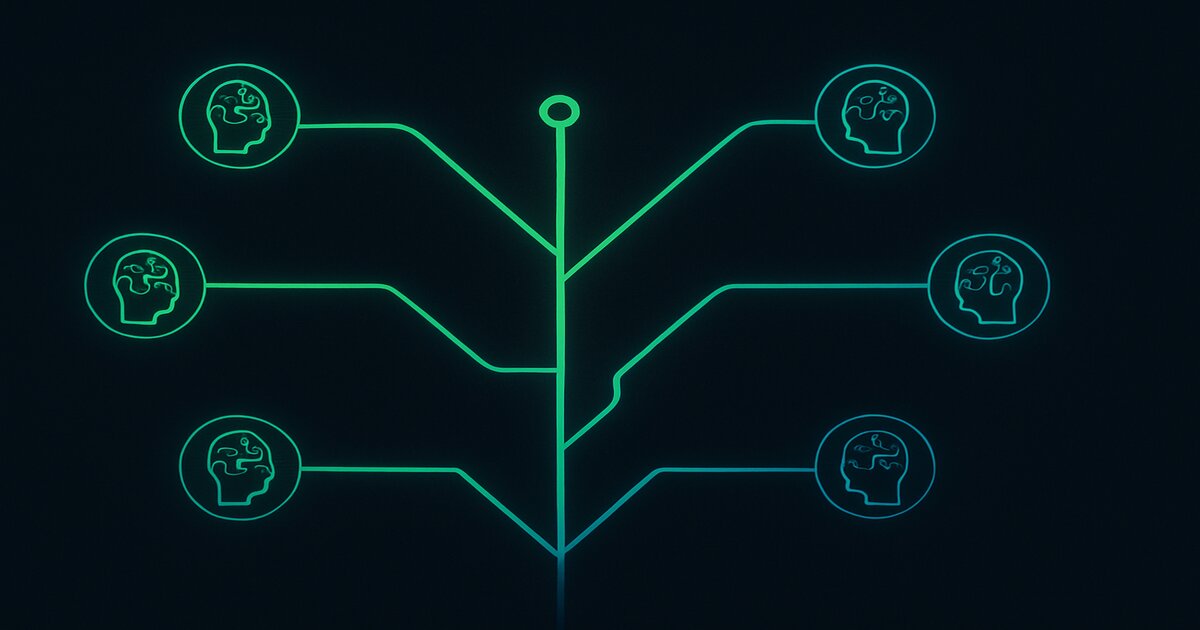
A new arXiv preprint, LACE, modifies transformer attention so parallel reasoning threads exchange information mid-generation. We unpack what it shows, where it holds up, and where it doesn't.
A new preprint shows that telling a judge model its verdict might get a model retrained makes it roughly 30% less likely to flag unsafe content — and it has no idea it's doing it.
A Zhejiang University preprint argues that standard SFT can make downstream RL less effective, and proposes Group Fine-Tuning as a more stable bridge between imitation and reward-based post-training.
A new arXiv preprint introduces a policy-agnostic way to measure exploration and exploitation errors from agent trajectories alone, and finds that exploration failure, not exploitation, is what separates strong agents from weak ones.
A new preprint proposes Memory Worth, a simple two-counter signal for estimating which AI agent memories may have gone stale and could be candidates for suppression or review.
A consortium of leading AI safety institutions just published the first systematic methodology for analyzing AI agent logs — a seven-step pipeline from purpose definition to statistical analysis.
OpenKedge proposes restructuring AI agent mutation from reactive API calls to governed intent proposals — with cryptographic audit chains. Here's why the architectural shift matters for production systems.
A Princeton and UW preprint tests seven model families in structured advertising scenarios, and reports that many prioritize sponsored products over user welfare when prompted to do so.
A UCLA preprint argues that curating the right training data for reinforcement learning may matter more than scaling compute, and that human-annotated instruction datasets may already contain useful signal for improving reasoning beyond math and code in smaller models.
Anthropic's system card frames Claude Mythos Preview as a frontier cyber capability jump significant enough to justify restricted release instead of broad commercial deployment.
A training-free framework from UCLA, McGill, and HKUST dynamically switches between visual and textual table representations on the fly — achieving 4.87% better accuracy while cutting inference latency by a third.
A new ByteDance Seed preprint introduces XpertBench, a rubric-based benchmark with 1,346 expert-oriented tasks across 80 categories. On the paper's reported evaluation subset, even the top model reaches 66.20%.
Utah’s Legion pilot does not let AI broadly “do psychiatry”; it permits a tightly limited, closely audited workflow for some psychiatric medication refill renewals under human oversight.
A new preprint suggests document RAG can hurt reasoning models on hard benchmarks. Procedural retrieval from a 32M-recipe memory boosts accuracy by up to 19.2% in the paper's tested settings, with no fine-tuning.
A new arXiv paper shows shared-state LLM agents can fail without any attacker at all, leaking benign user conventions across sessions with contamination rates up to 70.7%.
A new arXiv paper introduces The Silicon Mirror, a dynamic framework that reduces LLM sycophancy by 85.7% on Claude Sonnet 4 using behavioral gating and adapter-based intervention.
A new paper from DigitalOcean proposes lightweight, model-free signals for triaging agent trajectories — achieving 82% informativeness rate with 1.52× efficiency over random sampling.
A 25,000-task experiment across 8 models and 256 agents shows that self-organizing LLM agents with minimal structure outperform centralized coordination by 14% and fully autonomous systems by 44%.
A training-free framework transfers reasoning ability from teacher to student through contextual experience — no weights modified, 22.9× cheaper than traditional distillation.
A training-free inference trick exposes the real bottleneck in masked diffusion language models. LogicDiff improves GSM8K accuracy from 22% to 60.7% without changing a single model weight.
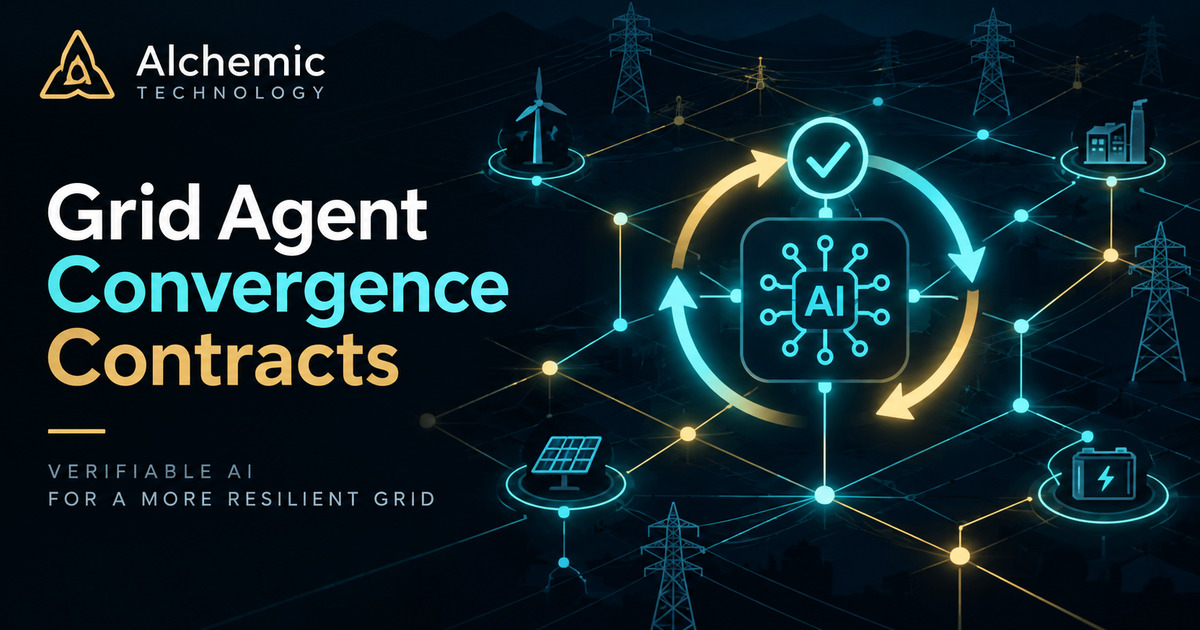
A new LLM-driven multi-agent framework takes a plain English description and autonomously writes, runs, and debugs a full building-to-grid energy simulation — no manual coding required.
CMU researchers introduce CAID, a multi-agent coordination framework using git primitives that improves coding agent accuracy by up to 26.7% on complex software engineering tasks.
Google Research's TurboQuant pushes KV-cache compression near its practical limits. Here's what the paper actually claims, what matters, and what developers should not overstate.
An unsecured CMS exposed Anthropic's most powerful model yet. Here's what we know about Claude Mythos, the new Capybara tier, and why cybersecurity stocks just tanked.
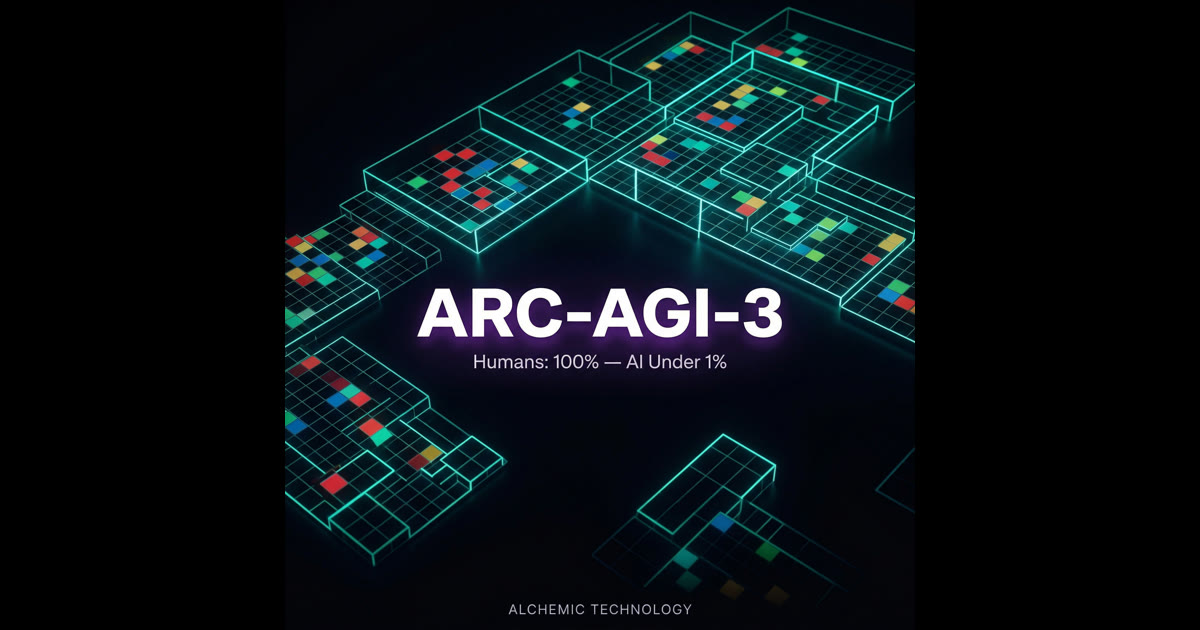
François Chollet's latest benchmark pits frontier AI against interactive puzzle environments — and every model scores below 1% while humans score 100%.
A new paper introduces Session Risk Memory (SRM), a lightweight module that detects distributed multi-turn attacks on AI agents by tracking behavioral drift — with perfect F1 and zero false positives.
SFA sparsifies query and key features instead of tokens, achieving 2.5× speedup and 50% KV-cache reduction while matching dense attention quality. An ICLR 2026 paper breakdown.
ProMAS introduces proactive error forecasting for LLM-based multi-agent systems using Markov transition dynamics, detecting reasoning failures before they propagate by monitoring semantic velocity.
Meta FAIR introduces HyperAgents — self-referential AI agents that can modify their own improvement mechanisms. Results show meta-level improvements transfer across domains, from paper review to math grading.
OS-Themis introduces a multi-agent critic framework that decomposes GUI agent evaluation into milestone verification and verdict calibration, achieving 18.8% accuracy gains over baselines for RL-trained agents.
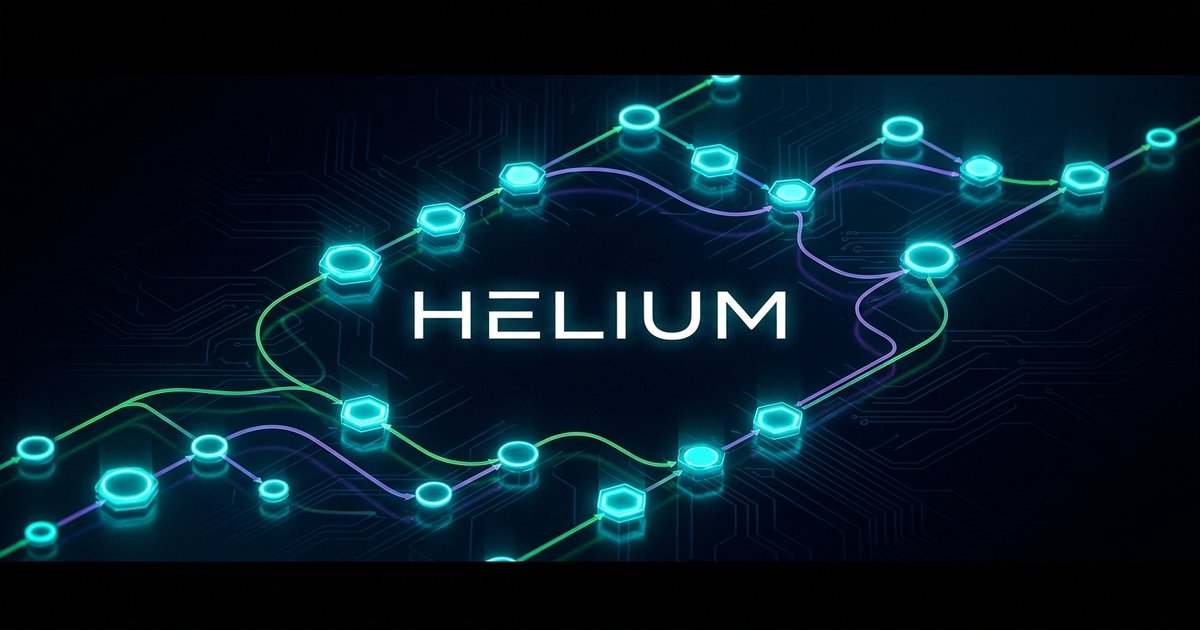
A new paper introduces Helium, a workflow-aware LLM serving framework that treats agentic workloads like database query plans. Up to 1.56x speedup by eliminating redundant compute across chained LLM calls.
UCPOF uses first-token uncertainty to cut RAG retrieval calls by 50% while beating always-on RAG accuracy by 5.75%. A practical framework for smarter prompt optimization.
A new framework compresses agent memory into 15 latent vectors with near-lossless reconstruction. Here's how NextMem's autoregressive autoencoder works and why it matters.
MiroThinker-H1 introduces verification-centric reasoning for AI research agents, achieving state-of-the-art results on BrowseComp, GAIA, and more — while using fewer interaction steps.
MiniMax M2.7 participated in its own development — building skills, running RL experiments, and optimizing its own scaffolding for real-world engineering tasks.
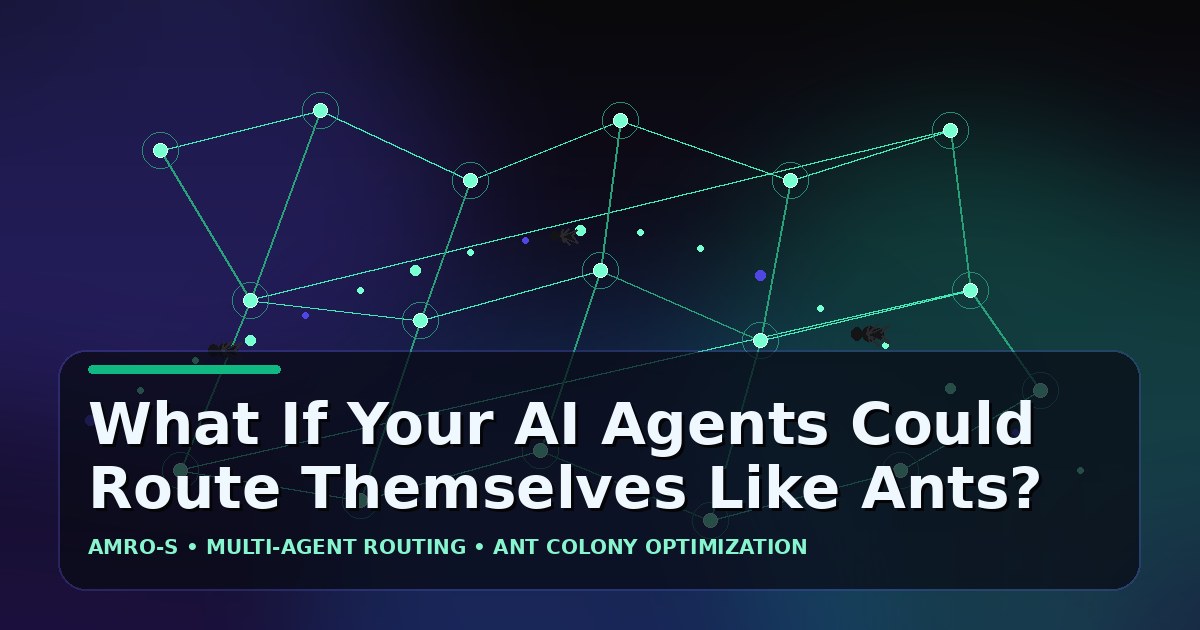
AMRO-S uses ant colony optimization to route tasks across multiple LLMs — delivering 4.7× faster throughput, better accuracy than GPT-4o, and full interpretability.
Princeton's OpenClaw-RL framework turns every conversation, command, and interaction into a live training signal — no labeled datasets required. Here's how it works.
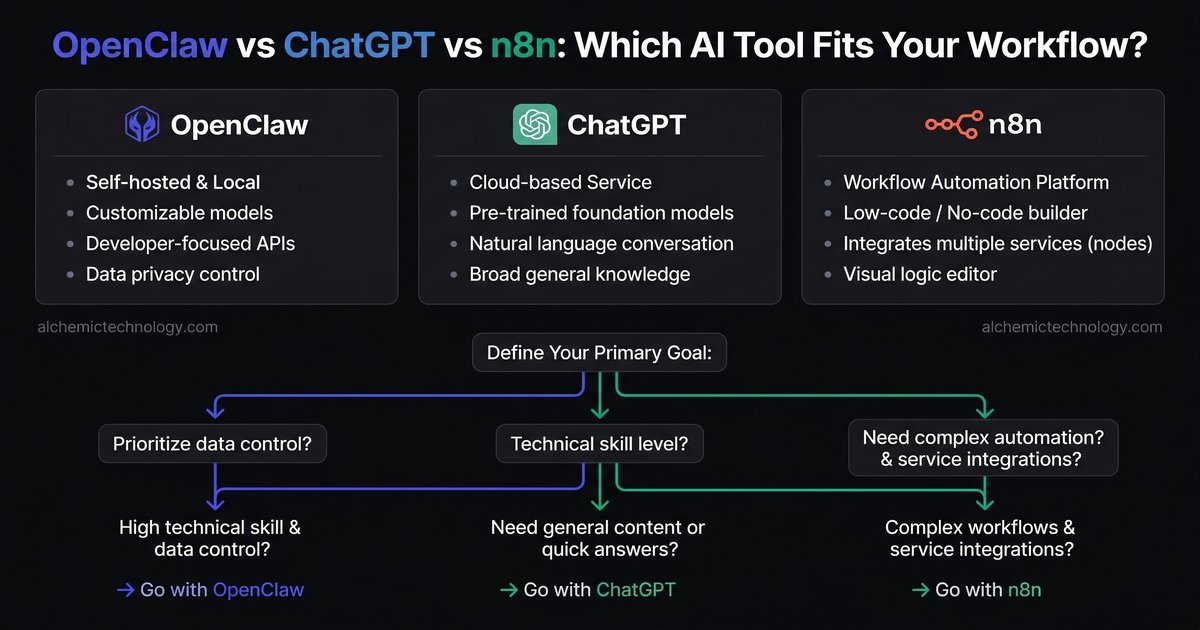
Learn how to build policy engines, approval workflows, and auditable agent execution around OpenClaw to safely deploy AI agents in enterprise environments.
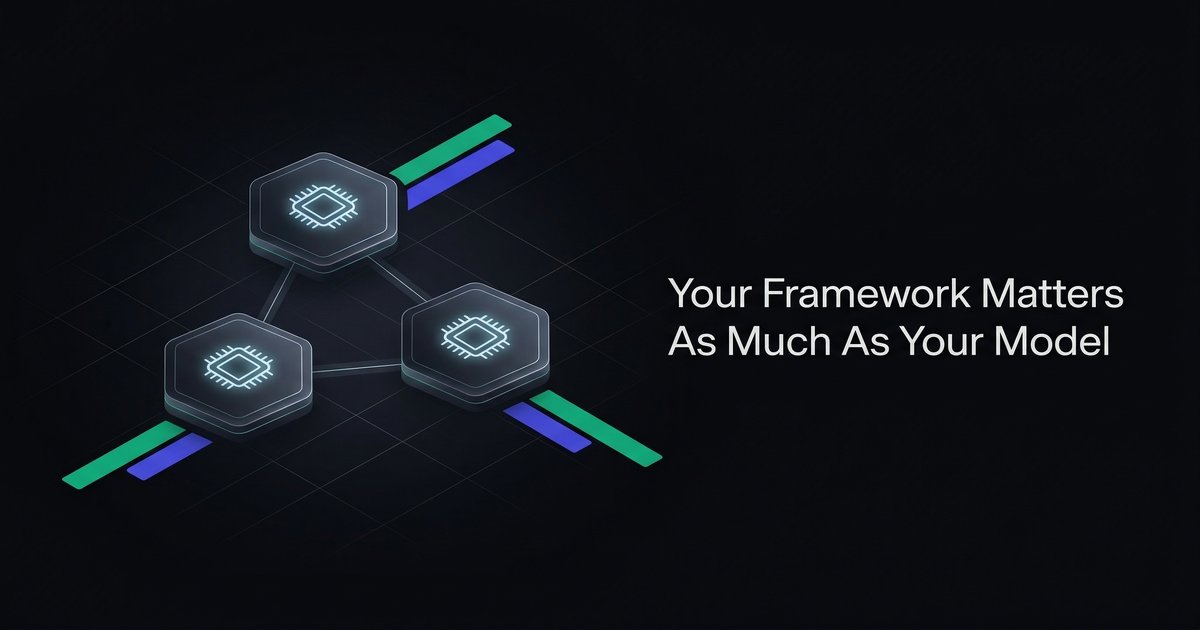
New research from Oxford and Parameter Lab proves that your choice of AI agent framework impacts performance just as much as your choice of model. Here's what MASEval found.
Exact costs to self-host an AI assistant in 2026. VPS comparison table, LLM API pricing by model, the free-tier $0/month path, and the recommended $5–8/month setup.
New IEEE CON 2026 research shows human oversight in AI isn't a single checkpoint — it's continuous, negotiated work across the entire system lifecycle.
New research tests whether giving an LLM step-by-step environmental feedback improves planning. The result: a 3% gain at 5.7x the cost. The real insight is about feedback quality.
A new ICLR 2026 paper from DoorDash reveals how to evaluate and optimize multi-agent AI systems end-to-end — with calibrated judges, binary rubrics, and the MAMUT framework.
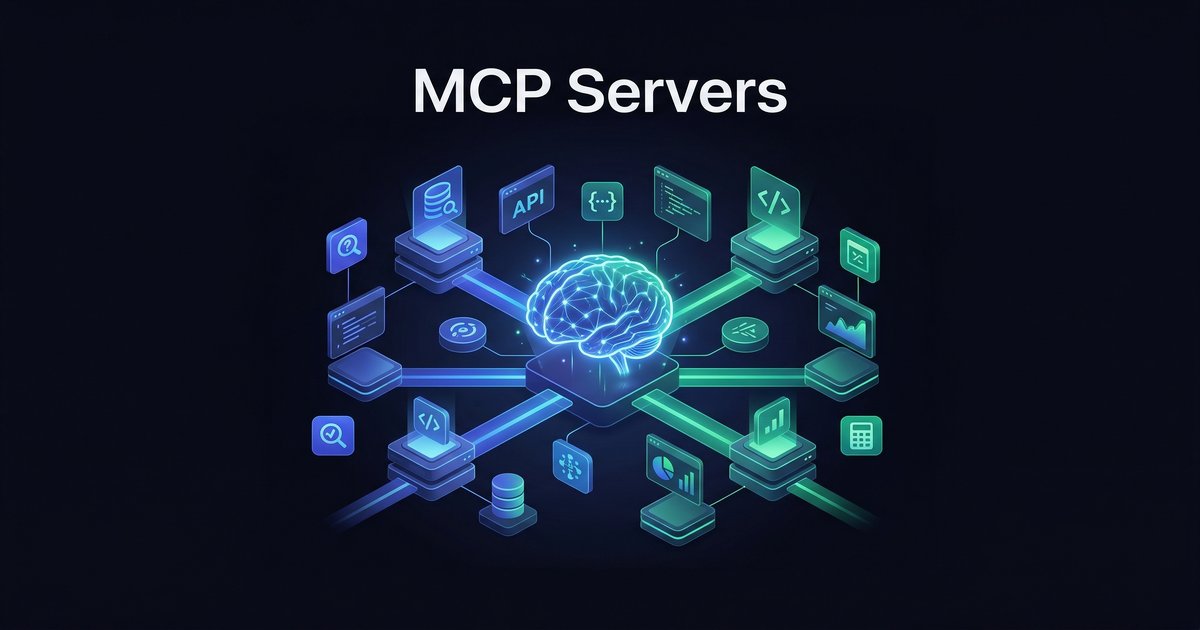
What is Model Context Protocol? A practical guide to MCP servers — what they do, how they work, real servers you can use today, and how to set one up in 10 minutes.
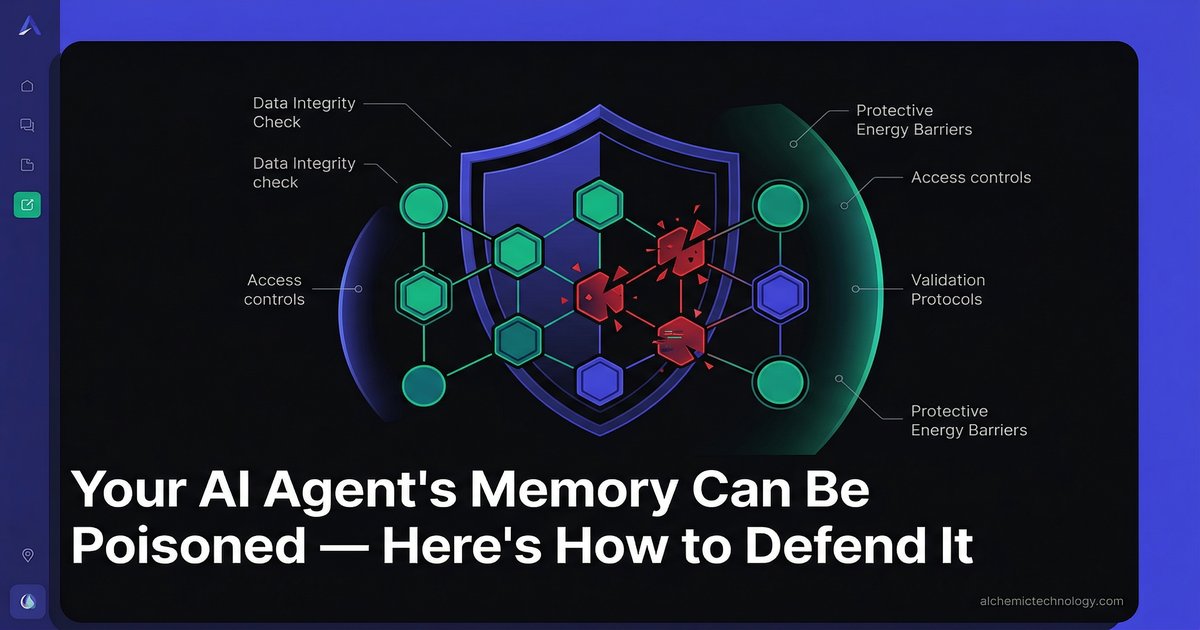
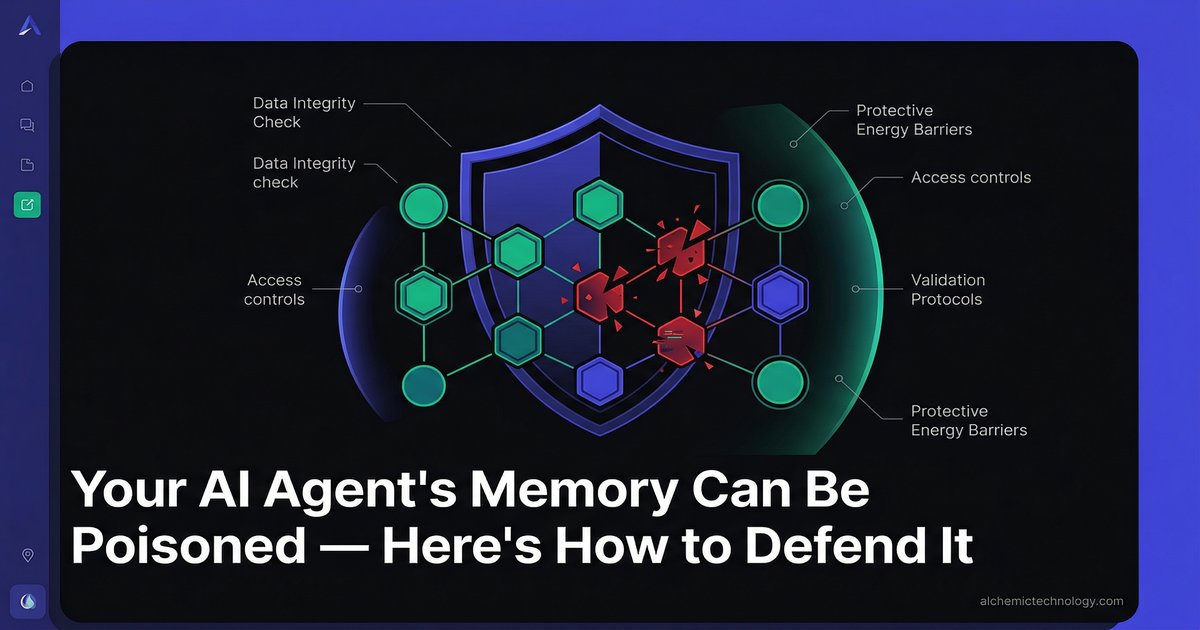
A deep dive into SuperLocalMemory, a new open-source system that defends AI agents against memory poisoning using Bayesian trust scoring and local-first architecture.
Your agent has a 200K token context window, yet it forgets critical information mid-conversation. Why context management matters more than context size.
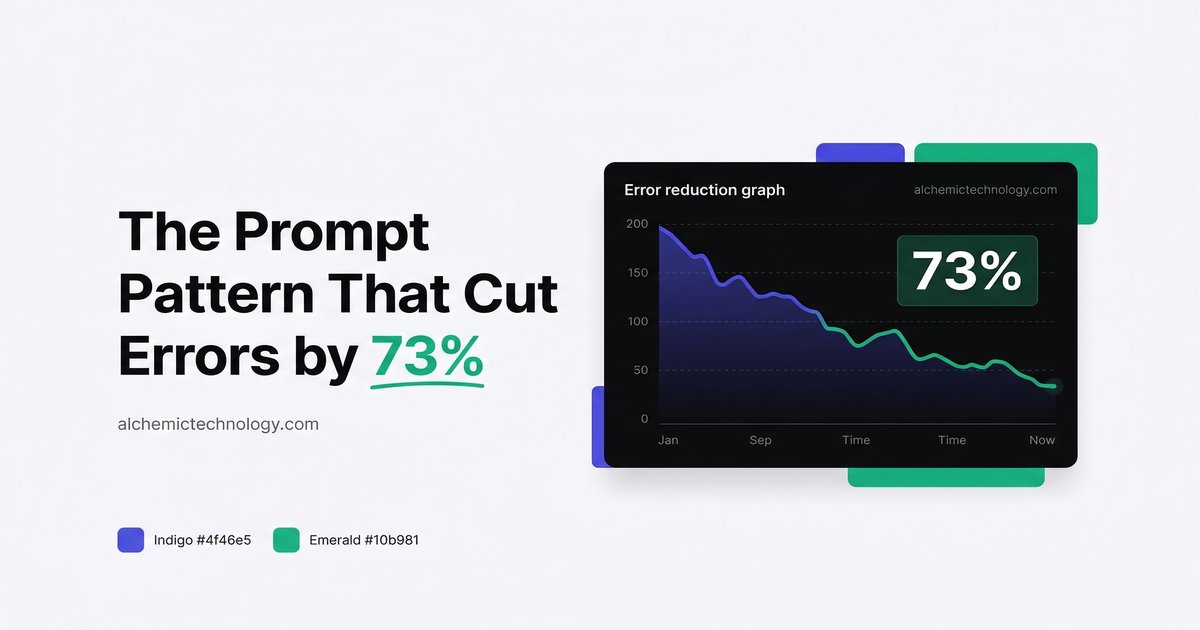
After A/B testing 12 prompt engineering patterns, we found one that consistently reduced agent errors by nearly three-quarters. The validation loop pattern that works.
The OpenClaw Field Guide walks you through setting up, configuring, and running AI agents on your own infrastructure. Multi-model routing, cron automation, sub-agent teams, security hardening — everything in one reference.